



Key Takeaways
- Best Overall: Naked Nutrition Naked Goat delivers single-ingredient purity and pasture-raised sourcing at approximately $2.70 per 25g of protein.
- Best for Recovery: Crucial Four mProtein combines A2 goat whey with hydrolyzed collagen peptides for joint, skin, and gut support.
- Best Budget Pick: Swanson Goat Whey Protein Concentrate offers clean, unsweetened goat whey at approximately $2.36 per 25g of protein.
- Best for Digestion: Mt. Capra Clean Whey provides 5.5g of BCAAs per serving from non-denatured, cold-processed grass-fed goat whey.
- What separates goat from cow whey: A2 beta-casein, smaller fat globules, and lower lactose content make goat whey significantly easier to tolerate for sensitive digestive systems.
- Who should skip it: Anyone with a true dairy allergy or severe lactose intolerance should avoid goat whey regardless of its digestibility advantages.

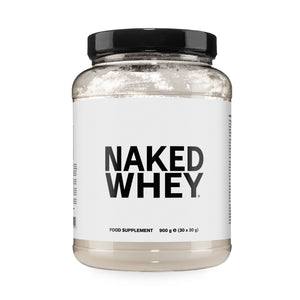
Goat Whey Protein Powder | Naked Goat - 2lb
- 100% premium grass-fed goat whey protein
- Sourced from pasture-raised, small-herd dairy goats
- Cold processed without acid or bleach
- Non-denatured: rich in amino acids and glutathione
Best Goat Whey Protein Powders: Our Top Picks for 2026

You already know standard cow whey works. But if bloating, sluggish digestion, or a preference for cleaner sourcing has you looking for something different, the best goat whey protein powders deserve a serious look. This guide covers what goat whey actually is, who benefits most from it, and which products are worth your money in 2026.
To build this guide, our team evaluated more than 20 goat whey products using a weighted ranking model that prioritized protein quality, digestibility, sourcing transparency, and third-party testing. The result is a shortlist of seven products that represent the best this niche category has to offer, from single-ingredient concentrates to whey-collagen blends designed for recovery.
This guide is written for athletes, active adults, and anyone who has struggled with conventional whey protein and wants a cleaner, more digestible alternative. If you are new to goat whey, start with the explanation of what makes it different. If you are ready to compare products, skip directly to the reviews.
What Is Goat Whey Protein and How Is It Different from Cow Whey?

Goat whey protein is the dried, concentrated whey fraction of goat milk. Like cow whey, it contains all nine essential amino acids and qualifies as a complete protein. What sets it apart is its structure at the molecular level and how your body responds to it.
Goat whey is produced in two primary forms. Whey concentrate is filtered and dehydrated to approximately 70 to 80 percent protein content, retaining more lactose and fat for moderate digestion speed. Whey isolate undergoes additional filtration, removing more lactose and fat to yield 90 percent protein or higher with a faster absorption rate. Goat whey isolate is less common than its cow whey counterpart, but it delivers a higher protein-to-calorie ratio for those tracking macros tightly.
- Goat milk naturally contains the A2 form of beta-casein rather than the A1 form common in most commercial cow milk, which some people digest with less discomfort.
- Goat milk fat globules are significantly smaller than those in cow milk, making them easier for digestive enzymes to break down.
- Goat whey contains lower lactose levels than standard cow whey, reducing the likelihood of lactose-related bloating.
- Cold processing keeps the whey non-denatured, preserving bioactive proteins, immunoglobulins, and fragile amino acids that heat processing destroys.
The sourcing story is also different. Goat whey is frequently produced from small herds on pasture-raised or regenerative farms, which results in premium pricing compared to mass-produced cow whey. For buyers following keto, gluten-free, or paleo approaches, goat whey concentrate fits naturally into those frameworks as a minimally processed, animal-based protein with no added carbohydrates or artificial ingredients.
Who Should Use Goat Whey Protein?

Before reading a single product review, it is worth asking whether goat whey is actually right for you. This category has a clear target audience, and it is a smaller slice of the protein powder market than the marketing might suggest.
Goat whey is a strong fit for:
- People with mild cow whey intolerance or sensitivity to A1 beta-casein who experience bloating, gas, or digestive discomfort after standard whey protein.
- Athletes and active adults seeking clean-label, single-ingredient protein supplements without artificial sweeteners or fillers.
- Consumers who prioritize grass-fed and pasture-raised sourcing as part of their nutritional approach.
- Those following keto, gluten-free, or paleo eating patterns who want a minimally processed animal protein.
Goat whey is not appropriate for:
- Anyone with a confirmed dairy allergy. Goat whey still contains milk proteins and will trigger an allergic response.
- People with severe lactose intolerance. Goat whey concentrate retains some lactose, and even its lower level may cause discomfort in highly sensitive individuals.
On dosage: research generally supports a target of 1.6 to 2.2 grams of protein per kilogram of body weight per day for active adults building or maintaining muscle. A single serving of goat whey protein, typically 20 to 25 grams, is best consumed within two hours post-workout to maximize muscle protein synthesis. It also works as a between-meal protein source when total daily intake needs a boost.
How We Ranked the Best Goat Whey Protein Powders
Our research team scored more than 20 goat whey protein powders using a weighted model. Each product received a score for each criterion, which was then multiplied by its assigned weight. The weighted scores were summed to produce the overall ranking. Here is how the weights were allocated and why.
| Ranking Criterion | Weight | Why It Matters |
|---|---|---|
| Protein Quality and Composition | 25% | Grams per serving, amino acid profile, and absence of amino spiking are the foundation of any protein supplement. |
| Digestibility and Tolerance | 20% | The primary reason buyers choose goat whey is gut comfort. A2 claims, lactose levels, and real user feedback on bloating all factor in. |
| Sourcing and Animal Quality | 20% | Grass-fed and pasture-raised claims, country of origin, and herd size all affect both nutrient density and ethical sourcing standards. |
| Ingredient Simplicity and Additives | 10% | Fewer ingredients and no artificial sweeteners indicate a cleaner product and a more transparent label. |
| Third-Party Testing and Safety | 10% | Independent certification and heavy metal screening are verifiable. Marketing claims are not. |
| Customer Reviews and Satisfaction | 10% | Aggregate ratings and recurring themes around taste, mixability, and digestion reflect real-world performance. |
| Price Per 25g Protein | 5% | Cost efficiency matters, though this category commands a premium relative to cow whey and that is largely justified. |
Protein quality and digestibility account for 45 percent of the total score combined. That weighting reflects the primary reason people buy goat whey: they want a protein that delivers a complete amino acid profile without digestive punishment. As noted in the editorial disclosure, Naked Nutrition published this guide and its own product placed first. That ranking reflects the scores, not the publisher.
The 7 Best Goat Whey Protein Powders Reviewed

| Rank | Brand | Protein Per Serving | Type | Grass-Fed / A2 | Third-Party Tested | Approx. Price Per 25g Protein | Best For |
|---|---|---|---|---|---|---|---|
| 1 | Naked Nutrition - Naked Goat | 23g | Whey concentrate | Pasture-raised; A2 beta-casein | Yes | ~$2.70 | Best overall: purity, testing, and value |
| 2 | Crucial Four - mProtein | 25g / 20g / 22g | Concentrate with collagen peptides | Regenerative Amish farms; A2 | Claims low heavy metals; no COA | ~$4.20 | Best for recovery and joint support |
| 3 | Mt. Capra - Clean Whey Protein | 24g | Whey concentrate | Grass-fed goats | Not disclosed | ~$4.10 | Best for high BCAA content |
| 4 | Mt. Capra - Double Bonded Protein | 20g | Goat casein and whey blend | Grass-fed goats | Not disclosed | ~$3.00 | Best for sustained satiety |
| 5 | Raw Revelations - Goat Whey Protein | 18g | Concentrate plus whole goat milk | Wisconsin small-farm goats | Not disclosed | ~$3.27 | Best for immune and gut health |
| 6 | Swanson Vitamins - Goat Whey Protein Concentrate | 21g | Whey concentrate | Pasture-fed goats | Not advertised | ~$2.36 | Best budget pick |
| 7 | Nat Food Hub - Goat Whey Protein Concentrate | 22g | Whey concentrate | Grass-fed, non-GMO | Not disclosed | ~$9.07 | Best for sampling the category |
Prices are approximate and based on available container sizes as of March 2026. Price per 25g protein was calculated using container size and protein per serving. Actual costs may vary.
No. 1: Naked Nutrition - Naked Goat
Best Use Case: Best Overall
Naked Goat tops this ranking, and it is not a close call. After evaluating more than 20 products, no other goat whey combines single-ingredient simplicity, pasture-raised sourcing from small Wisconsin farms, and a competitive price the way Naked Goat does. Competitors that match its sourcing standards tend to cost significantly more per gram. Those that come closer on price tend to fall short on sourcing. Naked Goat does neither.
Each scoop delivers 23g of complete goat whey protein with 4.6g of BCAAs. Cold processing keeps the whey non-denatured and protects bioactive amino acids. The unflavored version contains exactly one ingredient with no sweeteners, flavors, or fillers. Flavored options use organic cacao or vanilla rather than artificial alternatives. Learn more about Naked Goat at the Naked Nutrition website.
Flavor and Mixability: The unflavored version has a naturally earthy, mild taste. It blends smoothly into shakes, oatmeal, or smoothies. The chocolate and vanilla versions mix well with a shaker bottle and do not clump.
- Protein Per Serving: 23g
- Serving Size: Approximately 30g scoop; approximately 30 servings in a 2 lb jar
- Whey Type: Concentrate (non-denatured)
- A2 Protein Claim: Goat milk naturally contains A2 beta-casein
- Grass-Fed: Yes; pasture-raised, small-herd goats in Wisconsin
- Sweetener: None (unflavored); organic cacao or vanilla in flavored versions
- Third-Party Tested: Yes; heavy metal and purity testing
- Country of Origin: USA (Wisconsin)
- Price (2 lb): $74.99 one-time or $59.99 subscription
- Approx. Price Per 25g Protein: ~$2.70
Strengths: Extremely clean ingredient list. Cold-processed to maintain non-denatured structure. Robust third-party testing. Competitive price for the sourcing and testing credentials offered.
Considerations: Premium pricing compared to cow whey. The unflavored version has a naturally earthy taste that some find strong on its own. Limited regional availability.
Customer Feedback: Consistently high ratings for digestibility and clean taste. Users report minimal bloating and appreciate the absence of sweeteners. The main complaints center on the earthy flavor of the unflavored version and the price premium relative to standard whey.
No. 2: Crucial Four - mProtein (A2 Goat Whey with Collagen Peptides)
Best Use Case: Best for Recovery and Joint Support
mProtein blends A2 goat whey concentrate with hydrolyzed collagen peptides, targeting both muscle protein synthesis and connective tissue recovery. The sourcing story is compelling: goats from regenerative Amish farms with no glyphosate and no GMOs. The unflavored version delivers 25g of protein per serving. Chocolate and vanilla varieties drop slightly to 20g and 22g, respectively, due to the added ingredients. This is not a single-ingredient powder, but the collagen addition is purposeful rather than decorative filler.
Flavor and Mixability: Mixes well according to most users. The chocolate heirloom cacao version is reported to taste pleasant but mildly bitter. The vanilla version receives stronger flavor reviews overall.
- Protein Per Serving: 25g (Original), 20g (Cacao), 22g (Vanilla)
- Whey Type: Goat whey concentrate with hydrolyzed collagen peptides
- A2 Protein Claim: Yes
- Grass-Fed: Regenerative Amish farms, no glyphosate
- Third-Party Tested: Claims low heavy metals; no COA publicly available
- Country of Origin: USA
- Price: $63 (unflavored), $73 (chocolate), $79 (vanilla)
- Approx. Price Per 25g Protein: ~$4.20
Strengths: A2 goat whey combined with collagen peptides addresses both muscle and joint recovery. Sourced from farms with strong ethical and environmental credentials. Multiple flavor options.
Considerations: Higher price per gram of protein than most competitors. Not a single-ingredient product. No publicly posted COA limits testing verification.
Customer Feedback: Most reviews highlight reduced bloating and improved joint comfort. Users appreciate smooth mixability and natural flavor. Price and mild bitterness in the chocolate version are the most common criticisms.
No. 3: Mt. Capra - Clean Whey Protein
Best Use Case: Best for High BCAA Content
Mt. Capra's Clean Whey is a non-denatured goat whey concentrate sourced from grass-fed goats in the
Frequently Asked Questions
What makes goat whey protein different from cow whey protein?
Goat whey protein has a different protein and fat structure than cow whey. The fat globules in goat milk are smaller and more easily digested, and the casein composition differs in a way that forms a softer curd during digestion. For people who experience bloating or discomfort with standard cow whey, goat whey is often significantly easier on the gut.
Is goat whey protein safe for people with lactose intolerance?
Goat whey still contains lactose, so it's not a guaranteed fix for lactose intolerance. That said, goat milk naturally contains slightly less lactose than cow milk, and many people with mild lactose sensitivity report tolerating it better. If you're severely lactose intolerant, look for a goat whey concentrate that's been processed to reduce lactose content, or opt for an isolate.
Can people with a cow milk allergy use goat whey protein?
Not necessarily. Cow milk allergies are typically triggered by specific proteins, particularly alpha-s1 casein, which is present in much lower levels in goat milk. Some people with mild cow milk protein sensitivity do tolerate goat whey, but if you have a diagnosed dairy allergy, consult a physician before switching. Cross-reactivity between cow and goat milk proteins is documented and worth taking seriously.
How much goat whey protein should I take per day?
The standard dosing guidance for any whey protein applies here: aim for 20 to 40 grams per serving, timed around your workouts or used to close a protein gap in your diet. Most active adults need between 1.6 and 2.2 grams of protein per kilogram of bodyweight daily, according to research published by Morton et al. in the British Journal of Sports Medicine (2018). Your total daily intake from all food sources matters more than any single serving.
Does goat whey protein build muscle as effectively as cow whey?
Yes. Goat whey is a complete protein, meaning it contains all nine essential amino acids including leucine, which is the primary trigger for muscle protein synthesis. The amino acid profile is comparable to cow whey, so you're not sacrificing muscle-building potential by switching. The main practical difference is digestive tolerability, not anabolic effectiveness.
Why is goat whey protein more expensive than standard whey?
Goats produce significantly less milk than dairy cows, and the infrastructure for goat dairy farming is smaller scale, which drives up production costs. Processing and sourcing goat milk at the volumes needed for supplement manufacturing adds another layer of expense. You're paying a premium for a specialized ingredient, not just marketing.
What certifications should I look for when buying goat whey protein?
Third-party testing is non-negotiable. Look for certifications from NSF Certified for Sport, Informed Sport, or Banned Substances Control Group, which verify that the product contains what it claims and isn't contaminated with banned substances or heavy metals. If the brand makes pasture-raised or grass-fed claims, look for supporting documentation or a USDA Organic seal, not just marketing copy on the label.
Does goat whey protein taste different from regular whey?
It does have a slightly distinct flavor profile. Goat milk has a characteristic tanginess that can carry through into the finished powder, though modern processing methods and flavoring significantly reduce this in most commercial products. Unflavored goat whey will taste noticeably different from unflavored cow whey, so if taste is a priority, start with a flavored option before committing to a large purchase.
Top Whey Protein Picks
Chosen by 1 million+ customers. Free shipping on orders over $100.
Goat Whey Protein Powder | Naked Goat - 2lb
$74.99
- ✓ 100% premium grass-fed goat whey protein
- ✓ Sourced from pasture-raised, small-herd dairy goats
- ✓ Cold processed without acid or bleach
- ✓ Non-denatured: rich in amino acids and glutathione