




On this page
Should I Take Creatine While Cutting? Here's the Truth
Discover how creatine can preserve muscle and boost performance during a calorie deficit without sabotaging your fat loss goals.

Key Takeaways
- Yes, take creatine during a cut: Creatine actively supports the two goals of cutting — preserving lean muscle and maintaining training performance while in a calorie deficit.
- It won't cause fat gain: Any scale weight increase from creatine is intramuscular water retention, not fat. It's temporary and concentrated inside muscle tissue, not under the skin.
- 3 to 5 grams per day is the standard dose: Skipping the loading phase during a cut minimizes temporary water retention while still delivering full benefits.
- Creatine + resistance training outperforms resistance training alone: Studies show this combination produces greater fat loss than lifting without creatine supplementation.
- Creatine monohydrate is the right form: It has the strongest evidence base, the best cost-to-benefit ratio, and works as well or better than every alternative.
- Consistency beats timing: Take creatine daily, including rest days, to maintain saturated phosphocreatine stores.

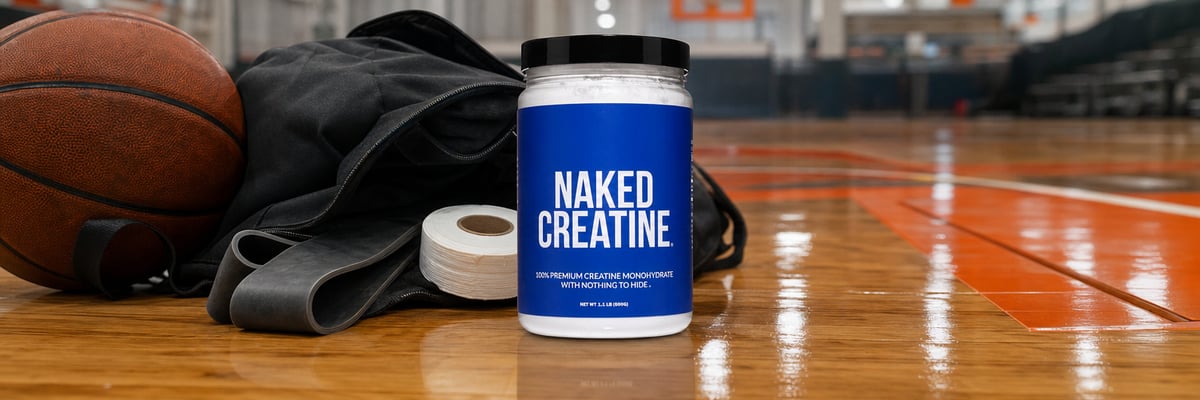
Creatine Monohydrate Powder | Naked Creatine - 2.2LB
- 100% premium creatine monohydrate
- No artificial sweeteners, flavors, or colors
- Vegan, gluten free and GMO free
- Zero sugar
Should You Take Creatine While Cutting? The Short Answer

You've dialed in your calorie deficit, you're training hard, and now you're wondering whether creatine belongs in your supplement stack. The answer is yes. Creatine is one of the most useful tools you can use during a cut, not just for performance, but for preserving the muscle mass you've worked to build.
Cutting refers to a deliberate phase of eating in a calorie deficit to reduce body fat while minimizing muscle loss. The challenge is that a deficit creates conditions where the body is more likely to break down muscle for fuel. That's exactly where creatine earns its place.
Creatine supports cutting goals in two direct ways: it helps maintain training intensity when your energy intake is lower, and it protects lean muscle through osmotic and cellular mechanisms. The rest of this article breaks down how that works, what dose to use, and how to get the most out of it during your cut.
How Creatine Works (And Why It Matters on a Cut)

Your muscles store creatine as phosphocreatine, which acts as a rapid-access precursor to adenosine triphosphate (ATP) — the molecule your body uses for all muscular energy. As Dolan et al. explain [2], phosphocreatine is essential to this ATP regeneration process, particularly during high-intensity efforts lasting ten seconds or less.
The problem is that your natural phosphocreatine stores run out fast. Once they're depleted, performance drops, weights feel heavier, and rest periods need to be longer. Research shows [3] that creatine supplementation increases phosphocreatine stores by 10 to 40%, which directly extends the duration of high-intensity effort before fatigue sets in.
- Creatine is stored in muscle tissue as phosphocreatine, a high-energy compound ready for immediate use.
- During explosive or high-intensity exercise, phosphocreatine donates a phosphate group to regenerate ATP — the fuel your muscles actually run on.
- Supplementation increases phosphocreatine stores by 10 to 40%, extending the window of peak performance before fatigue.
- On a cut, when calories are restricted, maintaining those stores helps you train with the same intensity despite lower energy availability.
This mechanism matters especially on a cut. When calories are reduced, energy availability drops and training quality often suffers first. Higher phosphocreatine stores offset that effect, keeping your workouts productive even when your diet is in a deficit. Studies confirm [1] that creatine supplementation supports sustained performance during high-intensity exercise — which is exactly what you need to maintain muscle stimulus while eating less.
Benefits of Taking Creatine While Cutting

Creatine isn't just a bulking supplement. Its core mechanisms are directly aligned with what cutting demands of your body.
Muscle preservation: A calorie deficit increases the risk of muscle catabolism. Creatine helps counteract this by keeping phosphocreatine levels elevated, which supports the anabolic signaling pathways that protect lean tissue. Research shows [7] that creatine supplementation helps preserve lean body mass during periods of reduced caloric intake.
Performance maintenance: Cutting often means training with less glycogen and lower overall energy. Creatine partially compensates by keeping the phosphocreatine system loaded, so you can sustain heavier loads and higher output despite the deficit. Maintaining training stimulus is what tells your body to hold onto muscle instead of burning it.
Faster recovery: Evidence indicates [1] that creatine reduces the muscle damage that occurs during high-intensity exercise. Less damage means faster recovery between sessions, which matters when your recovery resources (calories, protein) are reduced during a cut.
Indirect fat loss support: More muscle mass means a higher resting metabolic rate. By protecting lean tissue, creatine keeps your metabolism running at a higher baseline, making fat loss more efficient over time.
📊 What Research Says
A meta-analysis published in the Journal of Strength and Conditioning Research [8] found that creatine supplementation combined with resistance training produced significantly greater fat loss than resistance training alone — without any additional changes to diet or cardio. The mechanism is indirect: more muscle preserved equals more calories burned at rest.
Osmotic muscle fiber protection: Creatine draws water into muscle cells through osmosis. That intracellular fluid acts as a buffer against mechanical damage and atrophy. Research suggests [6] that this osmotic action triggers cellular pathways that support muscle retention, independently of training volume.
Will Creatine Cause Water Retention or Weight Gain During a Cut?

This is the most common concern athletes have about creatine during a cut. The short answer: creatine can cause temporary water retention, but it's not the kind that should concern you.
The water creatine pulls into your body goes inside muscle cells, not under the skin. Intramuscular water retention looks and feels different from the subcutaneous bloating that makes you look soft. If anything, fuller muscle cells can improve muscle definition by increasing cross-sectional size without adding body fat.
Studies confirm [4] that the temporary weight gain associated with creatine is attributable to water being drawn into muscle tissue and, to a smaller degree, an early increase in lean mass. It is not fat gain. The scale may tick up slightly, but your body composition is moving in the right direction.
The loading phase is the main driver of noticeable water retention. The research on loading protocols [5] shows that taking 20 to 25 grams per day for 5 to 7 days rapidly saturates phosphocreatine stores, but this acute saturation phase is when most people notice the greatest scale fluctuation. Once you drop to a maintenance dose, the retained water typically normalizes.
Practical tip: If you're sensitive to scale fluctuations during a cut, skip the loading phase entirely. Starting directly at 3 to 5 grams per day achieves full muscle saturation within 3 to 4 weeks with minimal water retention. The end result is identical — it just takes longer to get there.
How Much Creatine to Take When Cutting

The standard maintenance dose of 3 to 5 grams per day is sufficient for the vast majority of people. This is the dose consistently supported by research [1] for sustaining elevated phosphocreatine stores once muscles are saturated.
A loading protocol — 20 grams per day split into 4 to 5 doses over 5 to 7 days — gets you to full saturation faster. Some athletes use this approach at the start of a cut to saturate stores quickly. But given the temporary water retention it causes, many people cutting prefer to skip loading and go straight to maintenance dosing. The performance and muscle-preservation benefits are the same either way.
Larger athletes, particularly those over 200 lbs with significant lean mass, may benefit from a slightly higher maintenance dose closer to 5 grams per day. Body weight and muscle mass determine how much creatine the muscles can actually hold, so there's no single number that's right for everyone.
On timing: some research suggests post-workout creatine uptake may be marginally better due to elevated insulin sensitivity after training. But the practical difference is small. Consistency matters far more than timing. Take creatine every day, including rest days, to keep muscle phosphocreatine stores fully saturated. A missed day on a rest day does meaningfully deplete those stores.
What Type of Creatine Is Best for Cutting?

Creatine monohydrate. That's the answer, and the evidence is not particularly close.
Monohydrate is the most studied form of creatine in existence. Decades of research across hundreds of trials have confirmed its safety, efficacy, and ability to increase phosphocreatine stores. Every claimed benefit of creatine — performance, muscle preservation, recovery — is backed by studies using monohydrate specifically.
Other forms like creatine HCl and buffered creatine (Kre-Alkalyn) are marketed as more soluble or easier on the stomach. Some people do find monohydrate causes minor GI discomfort at high doses during loading, and HCl may be worth trying if that's a consistent issue. But on bioavailability and performance outcomes, no alternative form has outperformed monohydrate in head-to-head trials.
- Most researched supplement in sports nutrition — hundreds of peer-reviewed trials spanning 30+ years.
- No alternative form has beaten it on performance or muscle saturation outcomes in head-to-head research.
- Most cost-effective form per effective dose — you pay for creatine, not a delivery system.
- Widely available in micronized form, which improves mixability without altering the molecule itself.
Naked Creatine Monohydrate contains one ingredient: pure creatine monohydrate. No fillers, no artificial flavors, no proprietary blends. It's third-party tested for purity and available in unflavored form so it can be mixed into any liquid without affecting taste. If you want a creatine supplement that delivers exactly what the research supports and nothing else, that's the standard to meet.
Tips for Maximizing Creatine Results During a Cut

Creatine works. But it works best when the rest of your approach supports it. Here's what actually moves the needle during a cut:
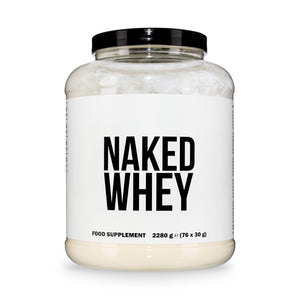
- Keep protein high. Creatine supports muscle preservation, but protein provides the raw material. Aim for 0.7 to 1 gram of protein per pound of body weight per day to minimize catabolism during your deficit. A high-quality protein powder like Naked Whey can help you hit those targets without excess calories.
- Stay hydrated. Creatine draws water into muscle tissue, so your hydration needs increase slightly. Aim for at least 3 liters of water per day. Dehydration blunts creatine uptake and accelerates fatigue.
- Maintain progressive overload. Creatine enhances your ability to train hard, but the training itself is the signal to retain muscle. Don't drop intensity or volume just because you're in a deficit. Creatine gives you the energy system support to keep pushing.
- Avoid extreme deficits. A deficit of 500 calories per day is manageable. Aggressive deficits of 1,000 calories or more undermine protein synthesis and recovery, making it harder for creatine's muscle-preserving mechanisms to keep up.
- Track body composition, not just body weight. The scale is a poor tool for measuring cutting success. Use progress photos, measurements, or DEXA scans to track fat loss versus lean mass changes. This is especially relevant with creatine, which can cause small fluctuations in scale weight from intramuscular water.
The bottom line: creatine is not a shortcut. It's a tool that amplifies what you're already doing. When your protein, training, and calorie deficit are dialed in, creatine makes every element of that stack work harder. Start with 3 to 5 grams of creatine monohydrate daily, skip the loading phase if water retention concerns you, and keep training with intensity. That's the formula.
Frequently Asked Questions
Should I take creatine while cutting?
Yes, taking creatine while cutting is generally recommended for most people. It helps preserve lean muscle mass during a caloric deficit, supports workout performance, and can make your cut more effective by keeping your body in a muscle-sparing state.
Will creatine cause water retention that makes me look less lean?
Creatine does cause some intramuscular water retention, meaning water is drawn into your muscle cells rather than sitting under the skin. This type of retention actually makes muscles appear fuller and more defined, not bloated, so it typically won't interfere with your leaner appearance during a cut.
How much creatine should I take when cutting?
The standard maintenance dose of 3–5 grams of creatine monohydrate per day is appropriate during a cut. There is no need to increase your dosage simply because you are in a caloric deficit, and skipping a loading phase is perfectly fine if you want to avoid any temporary water weight increase.
Will creatine help me maintain strength while in a caloric deficit?
Yes, one of creatine's most well-documented benefits is its ability to maintain strength and power output during periods of reduced calorie intake. By replenishing phosphocreatine stores in your muscles, it helps you push harder in the gym even when your energy from food is limited.
Does creatine affect fat loss directly?
Creatine does not directly burn fat or boost metabolism, but it supports fat loss indirectly by preserving muscle mass, which keeps your resting metabolic rate higher. More muscle retained during a cut means your body burns more calories at rest, making your overall fat loss more efficient over time.
Is creatine safe to use during a calorie-restricted diet?
Creatine is one of the most researched and well-tolerated supplements available, and it remains safe to use during a caloric deficit. It contains no stimulants, does not stress the liver or kidneys in healthy individuals, and is suitable for long-term daily use without cycling off.
What type of creatine is best to take while cutting?
Creatine monohydrate is the most researched form and the gold standard recommended for cutting phases. It is cost-effective, backed by decades of clinical studies, and just as effective as more expensive forms like creatine HCL or buffered creatine for preserving muscle and performance.
When is the best time to take creatine while cutting?
Research suggests that taking creatine close to your workout — either pre- or post-exercise — may offer a slight advantage for muscle retention and performance. On rest days, timing matters less, so simply taking it consistently at the same time each day is the most practical approach during a cut.
Top Creatine Picks
Chosen by 1 million+ customers. Free shipping on orders over $100.

Creatine HCl Powder | Naked Lean Creatine - 232g
$34.99
- ✓ 750 mg Con-Cret® Creatine HCl
- ✓ Organic prickly pear for natural water balance
- ✓ Highly potent: superior muscle performance at lower doses
- ✓ Critical electrolytes for optimal creatine absorption
Creatine Monohydrate Powder | Naked Creatine - 2.2LB
$35.99
- ✓ 100% premium creatine monohydrate
- ✓ Highest grade available: fast dissolving and quickly absorbed
- ✓ 5g of creatine per serving
- ✓ No artificial sweeteners, flavors, or colors

Creatine Monohydrate Powder | Naked Creatine - 500g
$25.99
- ✓ Improve Strength and Performance
- ✓ Recover Quicker During Exercise
- ✓ Promote Muscle Gain