


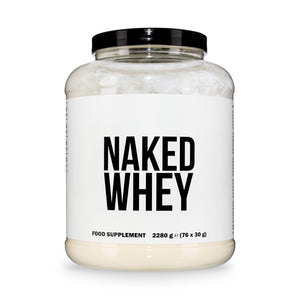


It may seem, at first glance, that protein supplements are, just that, protein supplements. After all, how complicated can it really be?
So, it may be tempting to gravitate toward the cheap protein supplements. Unfortunately, these products are not just “cheap” in terms of price; the manufacturers have to pull some pretty shady tricks to keep the prices low.
Ultimately, those inexpensive protein supplements end up being “cheap” when it comes to quality, too. But how do you know the difference? What should you look for and avoid?
Consider the Source
First, we need to be clear that not all protein supplements start with the same base material – and this source protein can make a huge difference.
One of the most common, and popular protein sources is whey. But plenty of other proteins can be tossed into the mix as fillers so that the manufacturer can use less actual whey, cutting down on their cost. These filler-proteins usually include things like soy and, if you check the ingredients list, they will commonly be listed first even when the tub claims that you'll be getting whey. And you will, just less than you expect.

Even when the company doesn't resort to this particular brand of trickery, though, doesn't make it a quality supplement. A product that contains whey as its only protein source could still be low-quality if the whey that it's built on is inferior. Whey sourced from fed-lot cattle has higher levels of saturated fats and low concentrations of health omega-3s and conjugated linoleic fatty acids.
Whey is often over-processed, as well, destroying many of the highly beneficial components of the original product. This is especially pronounced in the procedure used to create “isolates,” which has more protein and less fat and sugar.
In order to fill the nutritional gaps created by an inferior source proteins of overzealous processing, companies will add things like amino acids back into the end-product. Cleverly, these manufacturers will advertise the additions, touting them as a bonus rather than a mark of low-quality. These amino acids are also typically take from unsavory sources – like the hair and nails of animals left over from the fur industry.
Avoid supplements that offer added amino acid blends, and pad their ingredients list with proteins other than the one you're actually looking for.
Other Additives
It's extremely common for cheap protein supplements to contain tons of non-nutritional additives, like dyes, anti-caking agents, flavorings, preservatives and the like. This is a problem. Granted, this is done to make the product more appetizing but, if the product had started with a quality protein and been processed properly, this wouldn't be necessary.

When it comes to whey and casein, for example, the protein is commonly heated as part of the isolation process. Unfortunately, it takes some finesse to do this properly. Which means, time and attention. And, when you're processing massive batches of protein, that's an expensive proposition.
So, companies end up with huge batches of burned, inferior protein. The defect could be in the flavor, the bioavailability or both. While this source protein is cheaper for the manufacturer of the end-products, they don't mark down the price. Instead, they load their supplement up with additives to mask the problem.
More than just being dishonest, though, this practice is counterproductive for you. These additives have been linked with obesity, diabetes, behavioral problems, cardiovascular disease, hormonal disturbances and even certain forms of cancer.
Pass on protein supplements that contain additives, a potentially dangerous sign that that product has been poorly handled.