




Vitamin C, which is also sometimes called ascorbic acid, is an essential water-soluble vitamin. Although it’s necessary for important processes like immunity and skin health, our bodies can’t actually make it.
Healthy adults generally need between 60 to 90 milligrams (mg) of vitamin C each day. In this article, we’ll go over the best sources of vitamin C and other tips to maximize immunity.
What Are The Benefits of Vitamin C?
Let’s look at a few benefits of vitamin C
Powerful antioxidant
Vitamin C is a powerful antioxidant, meaning it protects the cells in your body from damage caused by free radicals.
We’re exposed to these unstable compounds from things like cigarette smoke and the sun’s UV rays, but we also produce them when we digest food. Over time, free radicals cause illness and aging.
Vitamin C protects cells from damage, preventing illness and slowing aging.
Vitamin C and the immune system

Vitamin C is also a key player in the immune system. It supports various cellular processes to keep the immune system running efficiently, and supports barriers in the skin that protect against pathogens. Studies show that vitamin C deficiency can make you more susceptible to illness.
Vitamin C and skin integrity
Finally, vitamin C is important for skin health and wound healing. It’s actually involved in every step of wound healing, from inflammation and infection prevention to collagen production and scar formation.
How Much Vitamin C Per Day Should You Take?

The recommended daily allowance (RDA) for vitamin C is 75mg for adult females and 90mg for adult males. However, there are certain conditions and scenarios when more vitamin C is recommended.
To boost immunity - One study found that taking 1 to 2 grams of vitamin C daily while sick shortened the duration of illness. Taking a higher dose has also been shown to potentially prevent more severe infections such as pneumonia.
To support healthy skin - The RDA is typically enough to support overall skin health and collagen production. However, some studies suggest that supplementation of up to 250mg per day is best to support wound healing.
Pregnant women - Recommended intake is 85mg per day to support mom’s needs and the baby’s development.
People who smoke - Generally, it’s recommended to add 35mg to the RDA per day, as people who smoke are already at higher risk for infection and cell damage.
People with iron deficiency - If you’re iron deficient, you may be advised to take additional vitamin C to help with iron absorption. In fact, one study found that combining 100mg of vitamin C with an iron-rich meal increased iron absorption by 67 percent.
How Much Vitamin C Can Your Body Absorb at Once?
If you stay within a reasonable amount of the RDA, your body will absorb most of the vitamin C you consume. However, once you start taking more than 180mg per day, the rate of absorption begins to drop. If you take a megadose of 1 gram or more, your body may only absorb around 50 percent.
Since vitamin C is water soluble, consuming more than the recommended amount each day isn’t necessarily dangerous. Any excess that your body doesn’t absorb is excreted in your urine.
What is The Best Way to Get Enough Vitamin C Each Day?

The simplest way to get enough vitamin C is through a healthy diet with a variety of fruits and vegetables. However, it’s important to keep in mind that cooking can decrease the amount of vitamin C in food.
Some fruits and veggies provide 100% or more of the RDA. For example, ½ cup of red bell pepper provides 95mg of vitamin C. A ¾ cup serving of orange juice provides 93 mg. Some other vitamin C-rich foods include:
- Kiwi
- Green bell pepper
- Broccoli
- Strawberries
- Brussels sprouts
Curcumin and Vitamin C
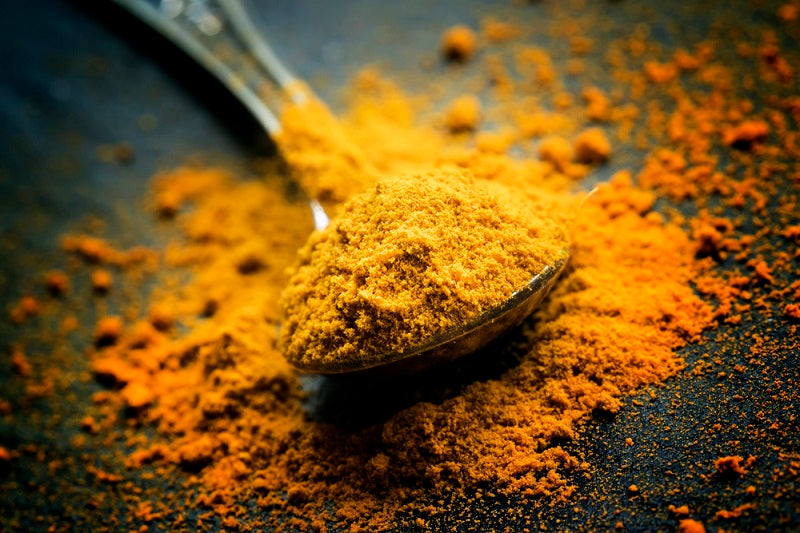
Curcumin is the main ingredient in turmeric and is known for its anti-inflammatory properties. It has a wide range of other health benefits such as cancer prevention, cardiovascular health and immune health.
Taking curcumin alongside vitamin C gives the body a boost of antioxidants and anti-inflammatory properties. This combination has actually been studied recently for it’s potential to regulate the immune and inflammatory response to certain infections.
However, it’s possible that this combination could also offer additional protection against oxidative stress and cell damage from environmental factors for generally healthy people as well.
Overall, combining curcumin with a vitamin C supplement ensures that you’re getting enough vitamin C consistently, with the added bonus of fighting long-term inflammation.
Key takeaways
Vitamin C is an essential vitamin, meaning we have to get it through diet or supplementation. Although deficiency is rare, vitamin C plays an important role in the immune system and skin health, and serves as an antioxidant to protect cells against damage. Getting enough on a consistent basis is the best way to see benefits.
A balanced diet with a variety of colorful fruits and veggies is the best way to give your body the vitamin C it needs. However, Naked C is a convenient and effective way to fill in any gaps in your diet and guarantee that you’re getting enough vitamin C to optimize immunity.