Ergänzungen
The Best Electrolytes Powder of 2026
What Is an Electrolytes Powder? An electrolytes powder is a drink mix that delivers the key minerals the body loses through sweat and uses to stay hydrated. The core electrolytes are sodium, potassium, magnesium, and chloride, and together they support fluid balance, nerve signaling, and muscle function. When you sweat heavily, follow a low-carb diet, or spend time in the...

The Best Grass-Fed Colostrum of 2026
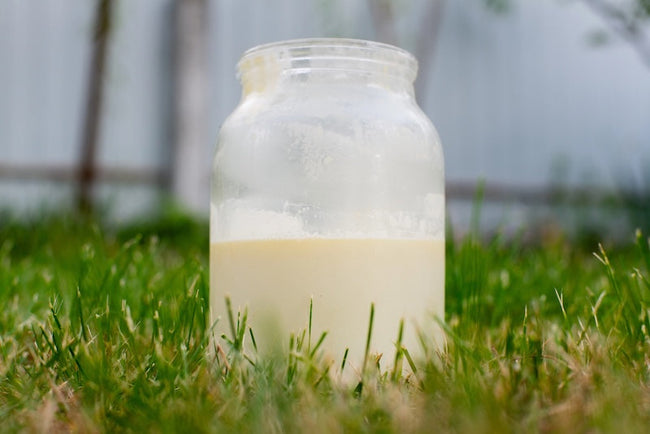
What Is Grass-Fed Colostrum? Colostrum is the first milk a cow produces in the days immediately after calving, and it is nutritionally distinct from the regular milk that follows. It is dense with bioactive compounds that a newborn calf relies on for early immune support, and those same compounds are what make it valuable as a supplement. Once collected, colostrum...
The Best Creatine HCl Powder of 2026
What Is Creatine HCl Powder? Creatine HCl, short for creatine hydrochloride, is creatine bonded to a hydrochloride group. That small change makes the molecule far more water-soluble than standard creatine monohydrate, and it is the reason HCl products are dosed differently. Where monohydrate is typically taken at around five grams per day, creatine HCl is usually dosed at roughly 750...

Is Creatine Bad for Your Kidneys? What the Research Actually Says
For healthy people, creatine is not bad for the kidneys. Multiple reviews and meta-analyses show that creatine monohydrate at normal doses does not damage kidney function. It can slightly raise a blood marker called creatinine, which sometimes looks like reduced kidney function on a test, but that reflects creatine in your body, not actual harm. The main caution is for...


Is Creatine a Steroid? No, and Here's the Real Difference
7 minute read
How Long Does Creatine Stay in Your System?
It depends on what you mean by "in your system." In your blood, creatine clears fast: a single dose peaks within about an hour or two and has a half-life of roughly three hours, with blood and urine levels returning to normal within about a week of stopping. In your muscles, where it actually works, it lasts much longer: muscle...

Creatine Gummies vs. Powder: Which Is Actually Better?
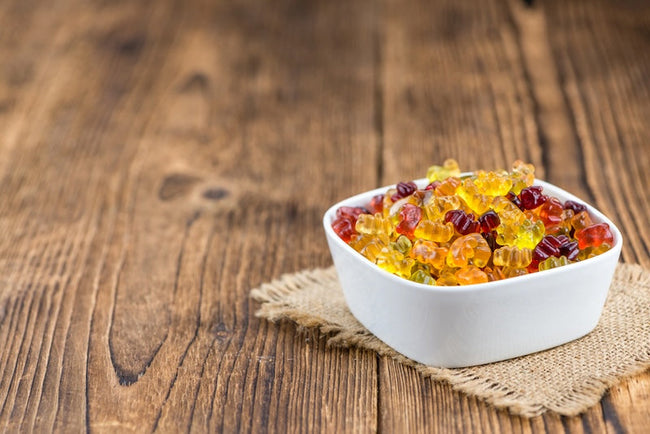
Both creatine gummies and powder work, as long as the product actually contains the creatine monohydrate it claims. Creatine works by building up in your muscles over time, so the format does not change the result. Powder is cheaper, research-backed, and lets you control the exact dose, but you have to mix it. Gummies are convenient and tasty, but often...
Does Creatine Have Caffeine? What You Need to Know
No, creatine does not contain caffeine. Creatine and caffeine are two completely different supplements: creatine is an energy compound that builds up in your muscles over time, while caffeine is a fast-acting stimulant. The two are often sold together in pre-workout powders, which is where the confusion comes from, but plain creatine has no caffeine and is not a stimulant....

Can You Dry Scoop Creatine? Safety, Risks, and Better Ways to Take It
Yes, you technically can dry scoop creatine, meaning swallow the dry powder without mixing it into water, but there is no reason to, and a few real risks. Dry scooping does not make creatine work faster or better because creatine builds up in your muscles over days, no matter how you take it. It does raise the chance of choking,...
Kann Kreatin Kopfschmerzen verursachen? Was die Beweise tatsächlich zeigen
Kreatin selbst ist keine bewiesene Ursache für Kopfschmerzen. Große Sicherheitsüberprüfungen listen Kopfschmerzen nicht als anerkannte Nebenwirkung auf, und Kreatin wird allgemein gut vertragen. Wenn Menschen eine „Kreatin-Kopfschmerz“ bekommen, hängt dies meist mit Dehydration, einer hohen Lade-Dosis, härterem Training oder Koffein in einem kombinierten Pre-Workout zusammen, nicht direkt mit dem Kreatin. Die meisten sind durch ausreichendes Trinken, eine konstante Dosis von...

Lebensmittel mit hohem Kreatingehalt: Die vollständige Liste (mit Angaben zum Gehalt)
Kreatin kommt fast ausschließlich in tierischen Lebensmitteln vor, wobei Hering, Schweinefleisch, Rindfleisch, Lachs, Thunfisch, Kabeljau und Huhn zu den reichhaltigsten Quellen gehören. Eine 4-Unzen-Portion der meisten Fleisch- oder Fischsorten liefert etwa 0,3 bis 1 Gramm Kreatin, und Kochen kann diesen Wert um 10 bis 30 Prozent senken. Dein Körper produziert etwa 1 Gramm pro Tag, und eine typische fleischhaltige Ernährung...

Die besten grünen Superfood-Pulver des Jahres 2026
Was ist ein grünes Superfood-Pulver? Grüne Superfood-Pulver sind Nahrungsergänzungsmittel, die durch Trocknen und Zerkleinern nährstoffreicher Pflanzen hergestellt werden. Die meisten Formeln kombinieren pulverisierte Blattgemüse wie Grünkohl und Spinat, Gräser wie Weizengras und Gerstengras, Algen wie Spirulina und Chlorella sowie weitere pflanzliche Zutaten, darunter Früchte, Kräuter, Adaptogene, Probiotika oder Verdauungsenzyme. Da sie konzentriert und transportabel sind, werden diese Pulver meist in...
Wie viel Kreatin sollte ich einnehmen?
Nehmen Sie täglich 3 bis 5 g Kreatinmonohydrat ein, um die Muskelspeicher und die Kraft zu maximieren. Ladephasen sind optional. Erfahren Sie, wie Sie Ihre Dosis genau einstellen können.