

Maybe you track your macros, but have you ever tracked fiber? Even though it’s an essential nutrient with tons of health benefits, most of us aren’t getting enough.
Breakfast is a great time to jump-start your fiber intake for the day. One of the easiest ways to do this is with a high-fiber breakfast smoothie.
You can customize your smoothie with high fiber foods, a fiber supplement, and even protein for added nutrition.
In this article, we’ll go over all of the reasons you could probably use some extra fiber in your diet, the best ways to get it, and how to boost fiber with a breakfast smoothie.
What is Fiber?
Fiber is a type of carbohydrate found in plants. Your body actually can’t digest it, but this is what makes this nutrient so beneficial.
There are two types of dietary fiber.
Soluble fiber, which dissolves in water, forms a gel as it digests. This type of fiber lowers cholesterol and blood sugar.
Insoluble fiber, which does not dissolve, provides bulk and roughage.
What are the Health Benefits of Fiber?

Fiber is a key nutrient to overall health and wellness for a number of reasons.
Supports regular digestion
Eating enough fiber helps to prevent constipation and keeps bowel movements regular.
Supports gut health
Fiber may help to maintain a healthy balance of bacteria in the gut. This could help prevent diseases like diverticulosis and colon cancer.
Improves cardiovascular health
Soluble fiber helps to lower LDL, also known as “bad” cholesterol. A high fiber diet may also decrease inflammation and blood pressure.
Blood sugar control
Fiber slows down the absorption of sugar, which can improve blood sugar levels and prevent type 2 diabetes.
Plays a role in weight loss
Fiber increases satiety between meals, which may help with weight loss or maintaining a healthy weight.

What happens if you don't get enough fiber?
According to the Academy of Nutrition and Dietetics (AND), the recommended daily amount of fiber for adults is 25 grams per day for women and 38 grams per day for men.
Another guideline is about 14 grams per every 1,000 calories you eat.
According to some surveys, only about 5 percent of the American population eats the recommended amount of fiber.
Dietary fiber is essential, which means your body needs it to function properly. It’s common for many Americans to come up short with their fiber intake because the American diet is so rich in refined foods, which are usually stripped of fiber.
If your diet consistently lacks fiber, your digestion may be the first to suffer. You may notice irregular bowel movements or constipation.
It’s also possible to develop more severe digestive issues like hemorrhoids or diverticulosis. Some cancers are also associated with low fiber intake
Lack of fiber is also linked to higher levels of chronic inflammation, poor blood sugar control, heart disease, decreased immune function, and difficulty losing or maintaining weight.
When should I eat fiber during the day?
It’s best to eat fiber throughout the day. This is the best way to give your body a consistent amount to promote good digestion without overwhelming your intestines and causing negative effects like bloating.
If you struggle with eating enough fiber, start with breakfast. It’s easy to jumpstart your fiber intake with fruits, whole grains, nuts, and seeds.
For the rest of the day, focus on adding a serving of fiber to each meal or snack.
Can I eat too much fiber?
It’s possible to eat more fiber than your body can handle. However, it’s not common. There’s no official “tolerable upper limit” for fiber, but some experts estimate that most people would start noticing signs of fiber overload if they eat 70 grams or more per day. However, some people may tolerate more or less.
Some potential consequences of eating too much fiber include:
- Bloating
- Diarrhea
- Vitamin and mineral loss
- In extremely rare cases, bowel obstruction
What are the best sources of dietary fiber?

Dietary fiber comes from plants, which means it’s found in fruits, vegetables, whole grains, legumes, nuts, and seeds. Here are some of the best sources of fiber:
- Split peas - 16 grams per cup
- Lentils - 15 grams per cup
- Chia seeds - 10 grams per ounce
- Green Peas - 9 grams per cup
- Raspberries - 8 grams per cup
- Broccoli - 5 grams per cup
- Brussels sprouts - 4 grams per cup
- Strawberries - 3 grams per cup
However, if these foods are refined, they lose most of their fiber content. Examples of refined foods include canned fruits and white bread and pasta. To get the most fiber, eat foods in their most whole, natural state.
You can also take a fiber supplement or eat foods that have been fortified with fiber. Supplements are often more convenient and help to fill the gap for your fiber needs.

What ingredients should I add to a fiber smoothie?
Adding Naked Fiber to your smoothie will give you 5 grams of fiber per scoop. The fiber in this supplement is sourced from organic baobab fruit, which may also function as a prebiotic to boost gut health.
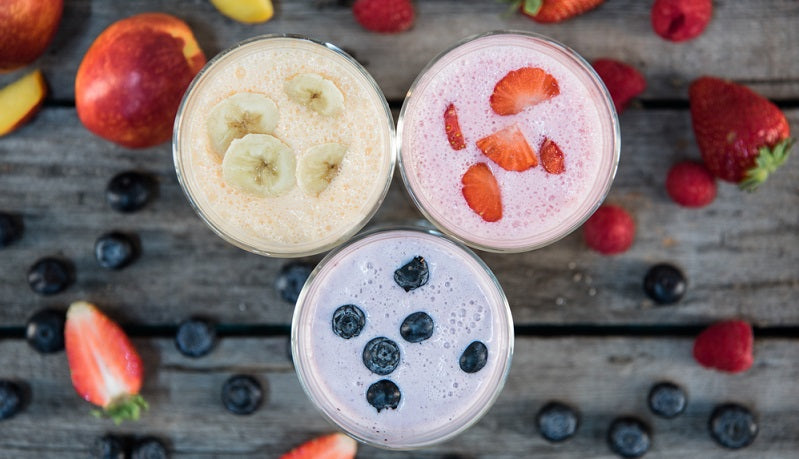
If you prefer to make a smoothie without a supplement, add fiber-rich foods like berries, bananas, nuts, and seeds. You can even add avocado or white beans to boost fiber and add a creamier texture to your smoothie.
This is a great opportunity to get some extra protein too. Just add a scoop or two of your favorite protein powder to your smoothie to help meet your goals.
High fiber smoothie recipe

Ingredients:
- ½ banana, peeled, sliced, and frozen
- ½ cup raspberries
- 1 scoop Naked Fiber
- 1 scoop Naked Whey
- ½ cup unsweetened almond milk
Instructions:
- Blend all ingredients together until well combined. Add more almond milk as needed until the smoothie reaches the desired thickness.
Nutrition:
200 calories | 3g fat | 33g carb | 11g fiber | 15g protein