Skip to content

★★★★★ Od roku 2014 · Dôveruje nám viac než 1M+ zákazníkov

Doprava zdarma pri objednávkach nad 79 €

Take the quizLink to /en-sk/pages/supplements-quiz
Benefits of Eating Legumes and How to Add More to Your Diet

Benefits of Eating Legumes and How to Add More to Your Diet

The word “legume” is often interchangeable with “pulses”. In the world of food and nutrition, we are simply talking about beans, peas, and lentils. 


Research supports eating more of these foods to improve health but only 8% of Americans eat them on any given day. 


Below we’ll talk more about what legumes are, what are the benefits of eating them along with tips to eat them more!


What Are Legumes?

A legume is referring to any plant in the Fabaceae family that has leaves, stems, and pods. The Fabaceae family also goes by “legume, pea, or bean”. 


The edible seeds of a legume plant are beans, peas, and lentils. These three foods are widely eaten all over the world in various cultures. They are low-priced and very nutritious!


There are all types of beans, peas, and lentils. Listed below are some examples. 


Green peas and green beans are not considered to be in this group. Green peas are not dried before consumption and fall into the starchy vegetable group, like corn. 


Green beans are considered non-starchy vegetables like carrots, cabbage, broccoli and kale for example. 

Beans

  • Black 
  • Navy 
  • Red 
  • Kidney 
  • Lima 
  • Great Northern
  • Cannellini
  • Garbanzo (chickpeas)

Peas

  • black-eyed peas
  • Pigeon peas (gandules)
  • Split peas

Lentils

  • Orange
  • Green 
  • black

What Are the Benefits of Eating Legumes?

Beans, peas, and lentils are good sources of protein and great sources of fiber. A serving of legumes, which is half a cup, can have anywhere from 7-9 grams of fiber. They are also a source of iron, zinc, B vitamins, phosphorus, and magnesium.  


It’s recommended that people up to 50 years of age eat 25g (women) to 37g (men) of fiber per day. That drops slightly (to 21 and 30 grams respectively) as we get older. 


But, more than 90% of women and 97% of men fall short of meeting the recommendations for fiber. The Dietary Guidelines suggest that we eat more fruits, vegetables, legumes, and whole grains for better health. 


If you’re too busy or otherwise find it challenging to eat and fruits and vegetables to get enough fiber in your diet, you could also opt for a more convenient fiber supplement option like Naked Fiber


Eating legumes reduce the risk of developing diseases like type 2 diabetes, high cholesterol, heart disease, obesity, and high blood pressure. Legumes are naturally sodium and cholesterol free with no saturated fat. 

Should Anyone Avoid Eating Legumes?


For the most part, no, but there are special circumstances for people who need to follow a low-fiber diet. 


This should be followed under medical guidance from your doctor and with the help of a Registered Dietitian. 


A low-fiber diet might be needed following surgery involving the gastrointestinal system, when having excessive diarrhea or with certain gastrointestinal disorders, and in this case, you might want to avoid too many legumes temporarily. 

How to Include More Legumes in Your Diet 


It doesn’t have to be complicated to add more legumes to your food choices throughout the week. The more simple it is the more likely you are to stick with it. 


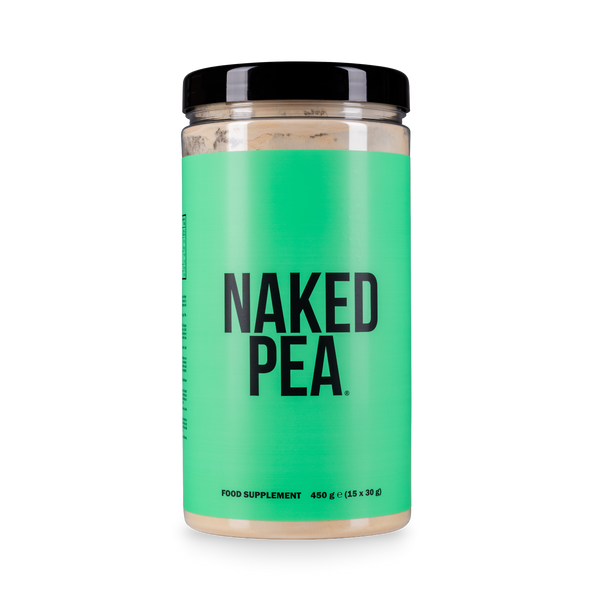
If you already have smoothies why not switch up your protein powder for the Naked Pea? Swap a bag of potato chips for bean dip and veggies. We’ve got more options for you listed below!

  • Smoothies with our pea protein powder like a Vegan Peanut Cup or Strawberry Smoothie listed in our recipe section. 
  • Add beans to a breakfast burrito
  • Enjoy a hummus spread on a sandwich
  • Add beans to taco meat
  • Make a lentil soup 
  • Have hummus or another bean dip with veggies for a snack 
  • Add them to your salad 

Tips for Cooking With Legumes


Using Dried Lentils


The helpful part about cooking with lentils is that they do not require soaking. Most lentils can be cooked on the stove for about 20 minutes. 


If you like the softer lentils, you can cook them for an additional 6-8 minutes. If lentils are cooked too long they can turn into a puree, which can still be eaten if you add spices like turmeric and garam masala. 


Then serve over rice with vegetables for a well-rounded, healthy meal. 


Using Dried Beans


Dry beans do require soaking depending on the method used to cook them. If you cook them in a slow cooker or an instant pot then you don’t have to soak them. This is especially helpful to know if you haven’t planned ahead and soaked the beans overnight. 


Dry beans can be easily cooked in double batches where you can freeze half of it for later. This makes the cooking process seem less overwhelming and you’ll already have something halfway prepared for a quick weeknight meal. 

Using Canned Legumes 


Canned legumes are also an option if the thought of cooking them dried is intimidating. Whenever you buy canned, try to look for “low-sodium” options. You can also drain and rinse the legumes under running water in a colander. This helps to wash away some of the sodium. 

Using Pouches


A new trend that’s come about and you may have already seen in the grocery store is cooked legumes in pouches. The beans are already flavored and just need to be reheated. This is also an option to get into the swing of things by eating more legumes. With these pouches, you’ll still want to pay attention to the serving size on the label and the amount of sodium. 


Here’s an example. Let’s say you are looking at a pouch for Cuban black beans and it has 2 servings. One serving has 380 mg of sodium which is 17% of the daily value. If you ate the whole pouch you’d be eating 34% of the daily value in sodium which is a lot. That would be considered a high-sodium meal and that’s not including everything else you’re eating with it.

Related Articles

What Are the Highest Protein Nuts?

Imagine a tasty, convenient, and nutritious snack that packs a powerful protein punch. That's right; we're talking about high-protein nuts! These incredible little powerhouses offer essential amino acids, healthy fats, and a host of health benefits. The Power of High-Protein Nuts High-protein nuts are truly nature's superheroes, providing essential amino acids, healthy fats, and various health benefits, making them a...

Link to article: What Are the Highest Protein Nuts?

Can You Drink Coffee While Intermittent Fasting?

If you decide to try intermittent fasting, you've probably mentally prepared yourself to get through the morning without your favorite oatmeal or breakfast smoothie. It's worth a little adjustment for all of the benefits, right? But one thing you may have forgotten to consider is your morning cup of coffee. Will your much-needed pick-me-up break your fast? And if it...

Link to article: Can You Drink Coffee While Intermittent Fasting?

Exercise Snacks: The Simple, Science-Backed Way to Boost Health, Energy, and Fitness in Minutes

For many people, inactivity is hard to escape. We’re confined to a chair and a desk all day long, whether it’s working from home or from the office. We know the importance of movement, but life seems to want us in front of a screen, not holding a pair of dumbbells. If you’re with me on this, I’ve got some...

Link to article: Exercise Snacks: The Simple, Science-Backed Way to Boost Health, Energy, and Fitness in Minutes

Prevent Whey Protein Acne: 7 Proven Solutions for Clear Skin | Expert Guide

Noticing more breakouts since starting your protein supplements? You're not alone.  Whey protein, while excellent for muscle building, can trigger acne in some people due to its effects on hormone levels and insulin response. This frustrating side effect doesn't mean you have to sacrifice your fitness goals for clear skin. Fortunately, you can enjoy the benefits of whey protein without...

Link to article: Prevent Whey Protein Acne: 7 Proven Solutions for Clear Skin | Expert Guide