




On this page
What Creatine Is Good for Muscle Building: Top Picks
Discover the best creatine supplements to fuel muscle growth, boost strength, and maximize your performance in the gym.

Key Takeaways
- Creatine works: It's the most researched performance supplement in sports nutrition, with consistent evidence showing meaningful gains in strength, power, and muscle mass.
- The mechanism is real: Creatine increases phosphocreatine stores, enabling more reps per set, more sets per session, and greater overall training volume over time.
- Monohydrate is the standard: Creatine monohydrate has the deepest research base. Other forms like HCL offer solubility advantages but lack equivalent human trial data.
- Dosing is simple: Load with 20g/day for 5-7 days, then maintain with 3-5g/day, or skip loading and start at 3-5g/day from the beginning.
- Side effects are manageable: Initial water retention and bloating are common and temporary. Creatine is safe for long-term use in healthy individuals.
- Results take 1-4 weeks: Early changes are water-based. Strength and hypertrophy gains build over weeks of consistent training and supplementation.
- Clean label matters: Fillers, artificial sweeteners, and binders increase the risk of GI side effects and add nothing to performance.

Creatine Monohydrate Powder | Naked Creatine - 2.2LB
- 100% premium creatine monohydrate
- No artificial sweeteners, flavors, or colors
- Vegan, gluten free and GMO free
- Zero sugar
Is Creatine Good for Muscle Building? Here's What the Science Says

You've probably heard that creatine builds muscle. What you might not know is just how well-supported that claim actually is. Creatine monohydrate is the single most studied supplement in sports nutrition, with hundreds of peer-reviewed human trials examining its effects on strength, power output, and hypertrophy. The evidence doesn't just suggest it works; it consistently shows it does.
So what is creatine good for when it comes to muscle building specifically? The short answer: more reps, more sets, faster recovery between efforts, and a measurable increase in lean muscle mass over time. Research on creatine monohydrate supplementation demonstrates that athletes who supplement with creatine see significantly greater gains in muscle strength and size compared to those who train without it, even when training programs are identical.
The mechanisms behind those gains are worth understanding, because creatine isn't a stimulant or a hormone. It works by expanding your muscles' energy capacity and creating a cellular environment that favors growth. Knowing how it works helps you use it more effectively.
📊 What Research Says
A comprehensive review published in the Journal of the International Society of Sports Nutrition found that creatine supplementation combined with resistance training produces significantly greater increases in muscle strength and lean body mass compared to resistance training alone, a finding replicated across dozens of independent trials with both trained and untrained populations.
This article covers how creatine supports muscle growth at the cellular level, which form to choose, how to dose it, what side effects to expect, and how long before you see real results.
How Does Creatine Support Muscle Growth?

Creatine doesn't build muscle on its own. It builds the conditions that make muscle growth possible. There are several distinct mechanisms at work, and each one compounds the others.
- Replenishes phosphocreatine stores, enabling more high-intensity reps before fatigue
- Pulls water into muscle cells (cell volumization), increasing size and improving function
- Activates anabolic signaling pathways including IGF-1 and mTOR
- Stimulates satellite cell activity, which is necessary for muscle fiber repair and growth
- Reduces markers of muscle protein breakdown after training
The ATP-PCr energy system: When you lift heavy, your muscles rely on the phosphocreatine (PCr) system for rapid energy. ATP is the cell's energy currency, and phosphocreatine donates a phosphate group to regenerate ATP almost instantly. This makes the ATP-PCr system ideal for maximum-intensity, high-power exercise like heavy compound lifts or short sprints. The problem is that phosphocreatine stores deplete within seconds. By increasing intramuscular creatine stores through supplementation, you extend the time your muscles can sustain peak output before fatigue sets in.
More reps, more sets, more volume: More phosphocreatine means faster recovery between sets and the ability to complete more total reps per session. Over weeks and months, that increased training volume is one of the primary drivers of hypertrophy. Creatine doesn't replace hard work; it allows you to do more of it.
Cell volumization: Creatine is osmotically active. It pulls water into muscle cells, increasing their fluid volume. This makes muscles appear fuller and has been shown to improve functional performance. Cell swelling also acts as a mechanical signal for protein synthesis, essentially telling the cell that growth conditions are favorable.
Anabolic signaling and satellite cells: Beyond energy, creatine appears to upregulate anabolic pathways including IGF-1 and mTOR signaling. It also promotes satellite cell activation, the process by which muscle fibers repair and add new nuclei after damage from training. More satellite cell activity means greater long-term muscle growth potential.
What Type of Creatine Is Best for Building Muscle?

Walk into any supplement store and you'll find creatine in half a dozen forms: monohydrate, HCL, ethyl ester, buffered (Kre-Alkalyn), and micronized. Each is marketed with different claims. Here's what the evidence actually supports.
Creatine monohydrate is the gold standard. It's the form used in the overwhelming majority of human trials, and those trials consistently show improvements in strength, power, and muscle mass. Creatine monohydrate is also the most affordable and widely available form. If you want to supplement based on evidence rather than marketing, this is where to start.
Micronized creatine monohydrate is standard monohydrate that has been processed into finer particles. This improves mixability and can reduce GI discomfort for people who find regular monohydrate harder to digest. The active compound is identical, so performance benefits are the same.
Creatine HCL (hydrochloride) is creatine bonded to hydrochloric acid rather than a water molecule. This significantly improves solubility, which is its primary practical advantage. Some users find it easier on the stomach at lower doses. Proponents suggest it may be more potent per gram than monohydrate due to better absorption. However, the key distinction to understand is this: superior solubility does not automatically mean superior muscle-building performance. Most studies on creatine HCL have been conducted in animals, and head-to-head human trial data comparing it directly to monohydrate is limited. If you experience consistent GI issues with monohydrate, HCL is a reasonable alternative. Otherwise, monohydrate remains the better-evidenced choice.
Creatine ethyl ester and buffered creatine have not demonstrated advantages over monohydrate in well-controlled trials and tend to be more expensive without added benefit.
The recommendation is clear: creatine monohydrate, ideally micronized, is the best-evidenced form for muscle building. Other forms may suit specific needs, but none have surpassed monohydrate in the research literature.
How Much Creatine Should You Take for Muscle Gains?

Creatine dosing comes down to one goal: saturating your muscle creatine stores as efficiently as possible. There are two main approaches, and both work.
Loading protocol: Take 20g per day, split into four 5g doses, for 5-7 days. This rapidly saturates muscle stores and means you feel results sooner. Bloating and GI discomfort are more common during this phase because the daily dose is high. Once loading is complete, drop to a maintenance dose.
Maintenance phase: 3-5g per day. This is sufficient to maintain saturated muscle creatine levels indefinitely. Most people stay here for the duration of their supplementation.
No-loading approach: Skip the loading phase entirely and start at 3-5g per day from day one. Muscle stores reach full saturation after approximately 3-4 weeks rather than one week. The end result is the same. If you're sensitive to bloating or GI issues, this is often the better strategy.
Timing: Post-workout creatine intake may offer a slight uptake advantage, as one study found modestly greater lean mass and strength gains with post-workout versus pre-workout timing. That said, the difference is small. Consistency matters far more than precise timing. Take it when you'll reliably remember to take it.
What to take it with: Creatine uptake into muscle cells is enhanced by insulin. Taking creatine with carbohydrates or a protein and carbohydrate combination increases muscle uptake compared to taking it with water alone. A post-workout shake with creatine and carbohydrates is a practical, evidence-backed approach.
Common Side Effects of Creatine (and How to Minimize Them)

Creatine has a strong safety record, but side effects do occur, particularly during the early stages of supplementation. Most are manageable with simple adjustments.
Bloating: The most frequently reported complaint. It occurs because creatine increases total body water by drawing fluid into muscle cells. This effect is most pronounced during the loading phase when daily doses are high. Reducing intake to 3-5g per day typically resolves bloating within days. Skipping the loading phase altogether is the most reliable way to avoid it entirely.
Water weight vs. fat gain: Creatine causes an initial increase on the scale. This is water, not fat. Actual fat gain requires a sustained caloric surplus. The weight increase from creatine reflects increased intramuscular fluid volume, which contributes to the fuller, more muscular appearance most users notice early on. Over time, consistent training while supplementing builds genuine lean mass.
GI discomfort: Nausea and stomach cramps are occasionally reported, usually with high single doses. Splitting your daily dose, taking creatine with food, and staying well hydrated all reduce the likelihood of GI issues. Choosing a creatine product without artificial sweeteners, sugar alcohols, or fillers also helps, since those additives are common culprits for digestive symptoms.
Kidney safety: This concern comes up often, but the current scientific consensus is clear. Creatine is safe for long-term use in healthy individuals. Numerous studies, including long-term trials lasting years, have found no evidence of kidney damage at standard doses. If you have a pre-existing kidney condition, speak with a physician before starting creatine supplementation. For healthy adults, the kidney concern is not supported by evidence.
How Long Does It Take for Creatine to Build Muscle?

Most people notice something within the first 7 to 28 days, but what you notice and when depends on which protocol you're using and what you're measuring.
Week 1 (loading protocol): Cell volumization kicks in fast. Muscles look and feel fuller due to increased intramuscular water. The scale goes up by 1-3 pounds, reflecting fluid retention. This is not muscle tissue, but the cellular environment it creates is favorable for protein synthesis and training performance.
Weeks 2-4 (with or without loading): Training performance improves. You're completing more reps, handling heavier loads, recovering faster between sets. These training adaptations are where real muscle growth begins. Strength gains typically become measurable during this window.
4 weeks and beyond: Compounding strength and hypertrophy gains become visible. The creatine itself isn't building the muscle. Your progressively harder training sessions, now supported by better energy capacity, are. Creatine makes the training more productive. The training builds the muscle.
Several factors influence how quickly results appear. Training intensity and consistency are the biggest variables. Diet matters too, both total calories and protein intake. Baseline creatine levels are also relevant: vegetarians and vegans have lower dietary creatine intake and typically smaller baseline muscle stores, which means they often respond more dramatically to supplementation than omnivores who already consume creatine through red meat and fish.
📊 What Research Says
Studies on creatine supplementation in vegetarian populations show greater increases in intramuscular creatine concentration and greater improvements in high-intensity exercise performance compared to omnivores given the same protocol, due to the significantly lower baseline creatine levels in people who consume no animal protein.
The Best Creatine Supplement for Muscle Building
The science on creatine is settled. The formula for a quality creatine supplement should be just as straightforward: one ingredient, no fillers, no artificial sweeteners, no unnecessary additives. Most products on the market don't meet that standard.
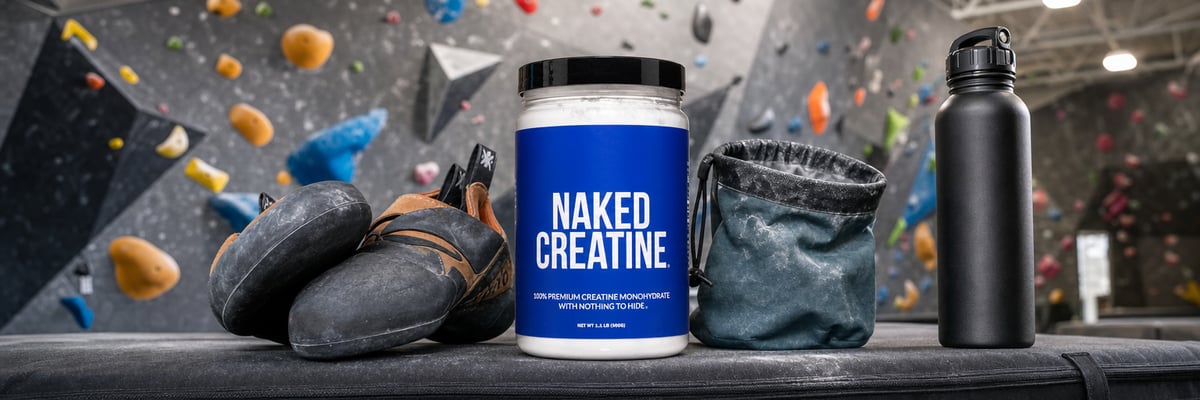
Naked Creatine is Naked Nutrition's answer to that problem. It contains one ingredient: 100% pure creatine monohydrate. No artificial flavors, no sweeteners, no binders, no proprietary blends obscuring what you're actually taking. Every serving delivers exactly what the research supports, nothing more, nothing less.
Why does a clean label matter for creatine specifically? Two reasons. First, artificial sweeteners and sugar alcohols commonly found in flavored creatine products are among the most frequently reported causes of GI discomfort. Removing them reduces side effect risk. Second, if you're taking creatine daily for months, you want to know with certainty what you're putting into your body each day.
- Single ingredient: 100% creatine monohydrate per serving
- No artificial sweeteners, flavors, colors, or binders
- Third-party tested for purity and label accuracy
- Free from unnecessary fillers that drive GI side effects
- Available in both monohydrate and HCL forms to suit individual tolerance
Monohydrate is the right choice for most people: highest volume of evidence, lowest cost, proven results. If you consistently experience digestive discomfort with standard monohydrate, Naked Creatine HCL offers the same clean-label commitment in a more soluble form that many users find easier to tolerate at lower doses.
Supplements don't need to be complicated. Creatine is effective because of the active ingredient, not because of the packaging or the marketing. Choose a product that reflects that.
Frequently Asked Questions
What type of creatine is best for muscle building?
Creatine monohydrate is widely considered the gold standard for muscle building due to its extensive research backing and proven efficacy. It has been studied for decades and consistently shown to increase strength, power output, and lean muscle mass when combined with resistance training.
How does creatine actually help build muscle?
Creatine works by increasing the availability of phosphocreatine in your muscles, which helps regenerate ATP — the primary energy currency your cells use during high-intensity exercise. More available energy means you can train harder and longer, leading to greater muscle stress and, ultimately, more muscle growth over time.
How much creatine should I take per day for muscle building?
The most commonly recommended maintenance dose is 3–5 grams of creatine monohydrate per day, which is sufficient to saturate muscle creatine stores over time. Some people choose to do a loading phase of 20 grams per day (split into 4 doses) for 5–7 days to saturate stores faster, though this step is optional and not required for long-term results.
How long does it take to see muscle building results from creatine?
Most people begin to notice improvements in strength and workout performance within 1–2 weeks of consistent creatine supplementation. Visible muscle growth, however, typically becomes more apparent after 4–8 weeks when combined with a structured resistance training program and adequate protein intake.
Is creatine safe to take for muscle building?
Creatine monohydrate is one of the most well-researched supplements available and has a strong safety profile supported by numerous clinical studies. It is generally considered safe for healthy adults when taken at recommended doses, and long-term use has not been shown to cause kidney or liver damage in individuals without pre-existing conditions.
Should I take creatine before or after a workout for best muscle building results?
Research suggests that taking creatine post-workout may have a slight edge for muscle building, as muscles may be more receptive to nutrient uptake during the recovery window. That said, consistency matters far more than precise timing — taking creatine at the same time each day is the most practical approach for maintaining saturated muscle stores.
Does creatine need to be cycled, or can I take it year-round?
Unlike some other supplements, creatine does not need to be cycled, and there is no scientific evidence suggesting that continuous daily use reduces its effectiveness. Most sports nutrition experts and researchers agree that taking creatine consistently year-round is both safe and optimal for sustaining the muscle-building benefits it provides.
What should I look for on a creatine label to ensure quality?
Look for products that use Creapure®, a trademarked form of creatine monohydrate manufactured in Germany that is known for its high purity and rigorous quality standards. Additionally, choose supplements that are third-party tested and certified by organizations such as Informed Sport or NSF Certified for Sport to ensure what's on the label is actually in the product.
Top Creatine Picks
Chosen by 1 million+ customers. Free shipping on orders over $100.
Creatine Monohydrate Powder | Naked Creatine - 2.2LB
$35.99
- ✓ 100% premium creatine monohydrate
- ✓ Highest grade available: fast dissolving and quickly absorbed
- ✓ 5g of creatine per serving
- ✓ No artificial sweeteners, flavors, or colors

Lemon Lime Creatine Monohydrate Powder | Naked Creatine - 1.1LB
$29.99
- ✓ 100% premium creatine monohydrate
- ✓ Highest grade available: fast dissolving and quickly absorbed
- ✓ 5g of creatine per serving
- ✓ No artificial sweeteners, flavors, or colors

Strawberry Creatine Monohydrate Powder | Naked Creatine - 1.1LB
$29.99
- ✓ 100% premium creatine monohydrate
- ✓ Highest grade available: fast dissolving and quickly absorbed
- ✓ 5g of creatine per serving
- ✓ No Artificial Sweeteners, Flavors, or Colors