


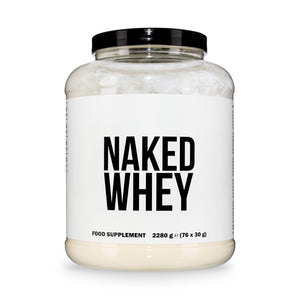

Let's just start with this: All whey protein powders are not created equal.
Manufacturers generally start with low-quality whey, which is then over-processed and finally filled with a host of harmful or unnecessary additives – stuffing the tub with something that only barely resembles the original ingredient.
So, when you're selecting a whey protein powder, what should you look for?
Grass-fed
The majority of dairy cows in the United States are fed processed grains instead of grass – an unnatural food source for our favorite bovines. On the surface, this seems like a great idea; grain is cheaper and the cows' intake can be carefully controlled.
In practice, however, it leads to inferior quality meat and dairy products. The biggest difference between grain and grass-fed dairy that research has found is in relation to its fat content.
Any product – whether meat or dairy – derived from grass-fed cows is lower in saturated fat than the grain-alternative and higher in healthier fats like omega-3s and conjugated linoleic acid (CLA).

Concentrate, not isolate
You will generally find two types of whey protein powder – concentrate and isolate. These terms refer to the amount of processing that the whey went through and, therefore, the percentage of protein that it contains.
As a rule, isolate goes through an extra step, giving it higher protein levels along with less fat and carbohydrates. At first, these differences might seem like improvements.
The problem, however, is that whey comes stuffed with many highly beneficial fractions beside the protein – most of which are bound to the fat and removed during this further processing.
Hormone free
In order to keep their cows disease free and producing as much milk as possible, many farmers routinely inject their animals with a variety of hormones such as rBST and rGBH.
While research into the effects of these treatments is controversial and mixed, there is some evidence to suggest that it can increase the risk of cancer and other conditions in humans.
No artificial dyes
Once it's all dried and powdered, whey isn't normally all that visually appealing, or so manufacturers feel. To make it more interesting, they toss in a host of dyes which you wouldn't think would cause any problems.

Several studies, though, have demonstrated links between artificial colorings and ADHD or other behavioral problems in children.
No artificial sweeteners
Regular old whey is usually either flavorless or slightly bitter, a problem for many companies. Logically, then, they want to find ways to sweeten it but adding sugar will change the nutritional profile and likely make it less attractive to fitness minded customers.
So, artificial sweeteners – which are typically low- to no-calorie – seem like the best solution. The problem is that these chemicals have been connected with obesity, diabetes, heart disease and even certain types of cancer.
No added flavorings
Along the same lines, added flavorings are used to “improve” the final product. These can come from any number of sources – from ground up bugs to wood pulp – and are usually hidden under the umbrella term “natural and artificial flavorings.”
Acid and bleach-free processing
One of the many harsh processes that whey gets put through involves washing it with either acid, bleach or both to remove impurities.
While this is cheaper than many other methods out there, it also denatures the whey and partially breaks down many of the nutrients carried in the powder.