
Within the past few years, powdered peanut butter has become a pretty dominant force in the dietary landscape. After all, it tastes like standard peanut butter, but is nutritionally superior and far more adaptable.
But still, a common concern connected with peanut butter might worry some potential powdered peanut butter users – aflatoxin.
What exactly is aflatoxin? Does it mean that powdered peanut butter is dangerous?
Aflatoxin – What It Is and What It Does
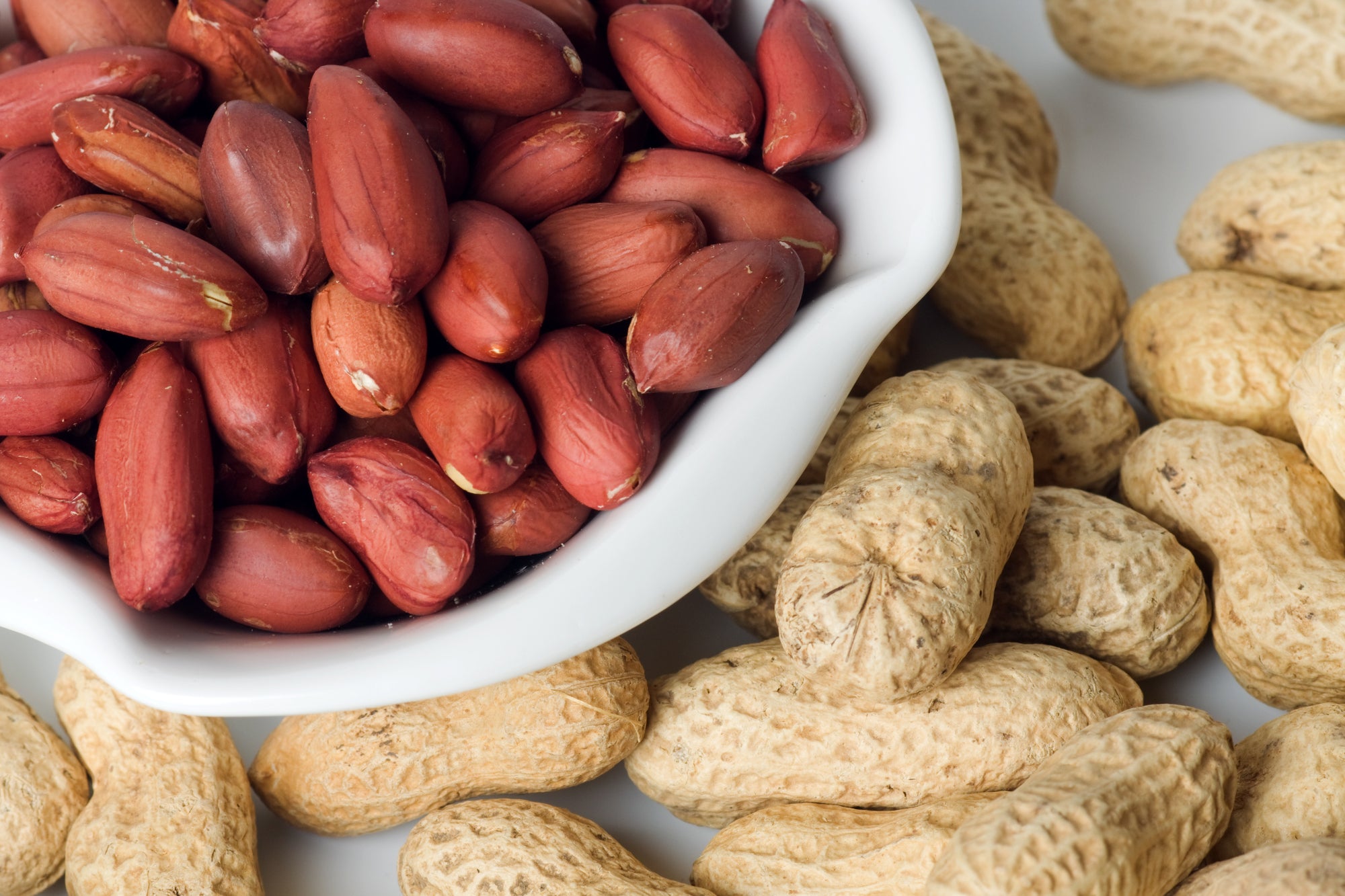
As you may or may not be aware, peanuts are grown underground. Buried in the dirt, the legumes are exposed to all sort of invaders.
Among these is the extremely common fungus known as Aspergillus, which grows inside the peanuts and produces the now-infamous Aflatoxin.
Generally, humans are pretty good at resisting any of the potential short-term problems connected with aflatoxin exposure. However, some studies have seemingly linked the substance with liver cancer in adults and developmental problems in children.
Should You Be Concerned?
With that said, the next logical question is “Should you be worried about aflatoxin?” Specifically, should you be concerned about the amount of aflatoxin in your powdered peanut butter?
It's important to note that most of the alarming studies related to the potentially harmful effects of aflatoxin were conducted in Africa and Asia – where food storage and farming practices are not strictly controlled.
In fact, one study in Sudan took into account that the peanuts were often stored in humid environments – the type that fungi thrive in. The type of processing involved in producing powdered peanut butter is also a key factor to consider when discussing aflatoxin.
According to a 2011 study published in Food and Nutrition Sciences, each step that goes into turning raw peanuts into peanut butter greatly reduces the amount of aflatoxin found in the finished product.
By the time the peanuts have been roasted, blanched, skinned and ground, the amount of toxin is cut down by as much as 89 percent. Although similar studies are lacking with regards to powdered peanut butter – which goes through one more step – it's logical to assume that the reduction in toxin is at least equal.

Finally, the United States Department of Agriculture (USDA) monitors any peanut products made in the US to be sure that levels of aflatoxin do not exceed the recommended limits.
Bottom Line
Yes, aflatoxin can be some scary stuff. And, yes, it is found in peanuts.
However, the processes that turn peanuts into powdered peanut butter greatly reduce the amount of aflatoxin that makes in into your tub – by at least 89 percent.
In general, then, it's unlikely that the levels of aflatoxin in your powdered peanut butter are high enough to be dangerous. This is especially true if you stick with high-quality products that are grown, stored and processed carefully like Naked PB.