



Key Takeaways
- Versatile and convenient: Bone broth protein powder delivers the nutrition of slow-simmered broth in a shelf-stable format you can stir into soups, sauces, grains, smoothies, and savory beverages.
- Impressive nutritional density: A two-scoop serving of Naked Bone Broth provides 20g of protein, 1g of fat, and just 90 calories, with no fillers or artificial additives.
- Broad health benefits: Regular use supports muscle recovery, joint health, gut integrity, sleep quality, and skin elasticity through a collagen-rich amino acid profile.
- Timing matters less than consistency: Post-workout, before bed, or stirred into a meal, the benefits of bone broth protein compound over time with daily use.
- Sourcing defines quality: Naked Bone Broth uses single-ingredient, European-sourced beef bones processed without chemicals, delivering nearly double the protein of many competitors.

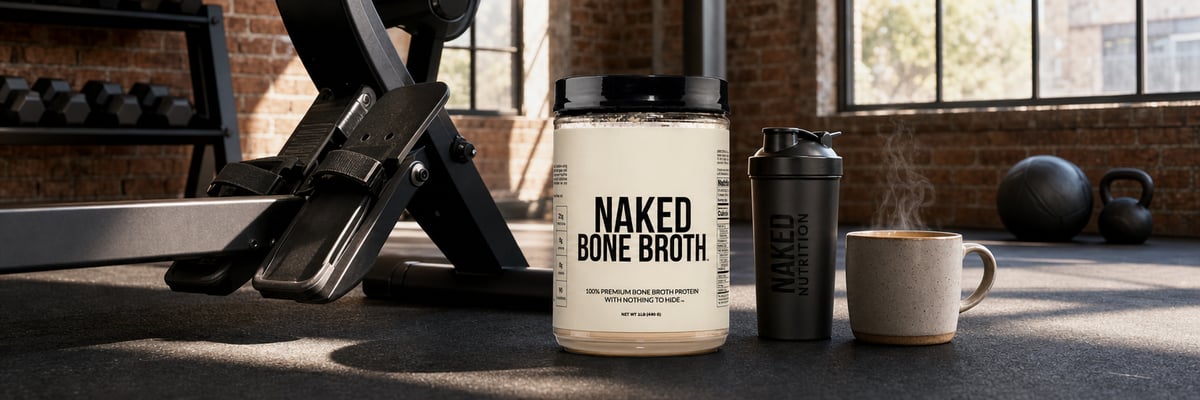
Bone Broth Protein Powder | Naked Bone Broth - 1LB
- Grass-Fed Source
- No Artificial Additives
- Made in the USA
- Quality Verified
What Is Bone Broth Protein Powder and How Do You Use It?

You already know bone broth is nutritious. People have been simmering animal bones for hours, sometimes days, to extract collagen, minerals, and amino acids for centuries. The problem is that making it properly takes most of a day, and the pre-made options sold in cartons are typically loaded with sodium, artificial flavors, and preservatives that undercut the nutritional value.
Bone broth protein powder solves that problem. It's made by slow-simmering high-quality beef bones to release their full nutritional payload, then carefully dehydrating that liquid into a concentrated powder. The result is shelf-stable, easy to measure, and contains a denser nutrient profile than most store-bought liquid broths.
Knowing how to use bone broth protein powder is where most people get stuck. Unlike whey or plant-based proteins, it isn't just a shake-and-drink supplement. Its savory flavor profile and different mixability characteristics mean it works best incorporated into food and warm beverages rather than blended cold. Once you understand those differences, the application options are broader than you'd expect. This guide covers everything: the nutritional profile, the specific health benefits, six practical ways to use it, and the best times to take it for maximum effect.
The Nutritional Profile of Bone Broth Protein Powder

A two-scoop serving of Naked Bone Broth delivers 20 grams of protein, 1 gram of fat, and 90 calories. That's a lean macronutrient profile that supports muscle building and weight management without adding unnecessary caloric load. There are no artificial fillers, preservatives, or flavor additives, just bone broth protein concentrate in its most direct form.
The amino acid profile is where bone broth protein distinguishes itself from standard protein sources. It's particularly rich in glycine, proline, and hydroxyproline: three amino acids that serve as the primary building blocks of collagen. These aren't present in meaningful amounts in whey or most plant proteins. Collagen-specific amino acids support connective tissue repair, joint function, and skin structure in ways that conventional protein powders simply don't replicate.
- Glycine: Supports gut lining integrity, collagen synthesis, and sleep quality
- Proline: Essential for cartilage formation and joint tissue repair
- Hydroxyproline: A structural component of collagen found almost exclusively in animal-derived collagen sources
- Glutamine: Supports intestinal lining health and immune function
Naked Bone Broth uses a single-ingredient formulation sourced entirely from European beef bones. This matters because many competitor products use factory-farmed sources, add proprietary blends, or rely on industrial processing that degrades the amino acid content during production. A product with one visible ingredient on the label is a product with nothing to hide.
Health Benefits of Using Bone Broth Protein Powder Daily

Bone broth protein isn't a one-purpose supplement. Its collagen-forward amino acid profile reaches multiple systems in the body, which is why the range of people who benefit from it, including athletes, older adults, those managing gut issues, and anyone following a keto or paleo dietary approach, is broader than most protein sources.
Muscle growth and recovery. The amino acids in bone broth drive muscle protein synthesis. You recover faster between sessions, and consistent daily intake creates the substrate your muscles need to rebuild stronger after training.
Fat loss support. At 90 calories and 20g of protein per serving, bone broth protein is one of the more satiating options available by calorie. Research published in the American Journal of Clinical Nutrition confirms that higher protein intake increases satiety and reduces overall energy consumption, making it a practical tool for anyone managing their weight.
Joint health. Proline and glycine are direct precursors to the collagen that forms cartilage and connective tissue. Regular intake helps maintain the structural integrity of joints, which is especially relevant for high-volume training athletes and aging adults experiencing joint discomfort.
📊 What Research Says
Numerous studies found that glycine supplementation before bed significantly improved subjective sleep quality and reduced daytime sleepiness, with participants reporting feeling more refreshed upon waking. A separate study from the journal Sleep and Biological Rhythms found glycine intake improved mental performance the following day.
Gut health. Studies show that glycine and glutamine help maintain intestinal lining integrity, reducing permeability and supporting a balanced gut environment. This is particularly relevant for anyone dealing with digestive sensitivity or leaky gut.
Skin elasticity. Collagen precursors, specifically hydroxyproline and proline, support the skin's structural matrix. Daily intake of bone broth protein provides the raw materials the body uses to maintain skin firmness and slow the visible signs of aging.
How to Use Bone Broth Protein Powder: 6 Simple Methods
Because Naked Bone Broth contains one ingredient with no added emulsifiers or mixing agents, it behaves differently than conventional protein powders. It dissolves best in hot liquid, and its savory flavor profile integrates naturally into food. Here are six practical methods that work.
- Stir into hot soup or stew. This is the most natural application. Add two scoops directly to a pot of hot soup or stew and stir for two to three minutes until fully dissolved. The broth flavor blends seamlessly, adding 20g of protein without changing the dish's character.
- Mix into mashed potatoes. Dissolve two scoops in hot water in a saucepan over medium heat, stirring for about four minutes. Combine the reconstituted broth with your boiled potatoes before mashing. It adds body, depth of flavor, and a significant protein boost to an otherwise carbohydrate-heavy side.
- Sip as a warm savory beverage. Add two scoops to 8 to 12 oz of boiling water, stir well, and let it sit for two minutes before drinking. Season with sea salt, black pepper, turmeric, or a splash of coconut aminos to customize the flavor. This works well as a morning alternative to coffee or a post-workout recovery drink.
- Cook grains in it. Dissolve two scoops in hot water separately, then use that liquid as the cooking base for rice, quinoa, farro, or oats. Pre-dissolving the powder before adding the grain prevents clumping and ensures even distribution throughout the dish.
- Blend into smoothies or protein shakes. Bone broth protein works in smoothies, but use warm or room-temperature liquid as the base rather than ice-cold water or frozen ingredients. Cold liquid inhibits dissolution and can create a gritty texture. A savory-leaning smoothie with spinach, avocado, and cucumber pairs naturally with the broth flavor.
- Add to sauces, gravies, or braising liquid. Whisk two scoops into a pan sauce or gravy while it simmers. It adds protein and richness without requiring any additional thickening agents. Braising meats or vegetables in a bone broth protein solution also concentrates the flavor as the liquid reduces.
Mixability tip: Because Naked Bone Broth is a single-ingredient formula with no added lecithin or emulsifiers, hot liquid is your best tool. Always dissolve the powder in hot water first before combining it with other ingredients for the smoothest result.
When Is the Best Time to Take Bone Broth Protein Powder?

Timing your bone broth protein intake can help you get more from each serving, but daily consistency matters more than hitting a precise window. If you're taking it regularly, the cumulative effect on collagen synthesis, gut integrity, and recovery will build regardless of whether you take it at 7am or 7pm.
That said, some windows are more strategic than others:
- Post-workout: The amino acids in bone broth support muscle protein synthesis and connective tissue repair. A warm post-workout beverage using two scoops provides the recovery nutrition your joints and muscles need after training stress.
- Before bed: Glycine's sleep-promoting effects are most relevant when taken in the evening. Sipping a warm bone broth beverage 30 to 60 minutes before sleep may help you fall asleep faster and sleep more deeply, based on the glycine research cited above.
- With a meal: Stirring bone broth protein into soups, grains, or sauces at any meal is a low-effort way to consistently hit your daily protein targets without restructuring your eating habits.
- As a morning protein source: For those who prefer a savory start to the day over a sweet protein shake, a warm bone broth beverage is a practical, calorie-efficient option that provides 20g of protein before the day gets busy.
If you're just starting out, pick one time that fits your existing routine and build from there. Consistency over weeks produces results. Perfect timing on an inconsistent schedule produces nothing.
Why Naked Bone Broth Stands Apart From Other Brands
Most bone broth protein products on the market are built for retail margins, not nutritional outcomes. They use factory-farmed beef bones as the raw material, apply industrial processing methods that degrade the collagen content, and then pad the final product with additives, natural flavors, or proprietary blends to mask the quality gap. The protein content reflects this: most competitors deliver 8 to 10 grams of protein per serving.
Naked Bone Broth delivers 20 grams per serving. That difference is a direct consequence of sourcing and processing decisions.
- Single ingredient: Bone broth protein concentrate. Nothing else. No fillers, no natural flavors, no preservatives, no proprietary blends.
- European-sourced beef bones: Sourced from non-factory-farmed cattle, which means no growth hormones and a cleaner starting material.
- Chemical-free processing in Sweden: Mechanical and thermal processing only. No solvents, no chemical extraction. This preserves the natural amino acid and mineral content rather than stripping it out.
- 20g protein per serving: Nearly double what many competitors offer, because the raw material and processing are designed to retain nutritional value rather than just produce volume.
- Full label transparency: No proprietary blends, no hidden ingredient ratios. What the label says is what's in the product.
When you pay for a premium protein supplement, you should be able to trace the quality back to every decision made in its production. Naked Bone Broth is built on that principle. If you're ready to add it to your routine, you can find Naked Bone Broth on the Naked Nutrition product page.
Getting the Most Out of Bone Broth Protein Powder
Bone broth protein powder works best when you treat it as a functional food ingredient rather than just a supplement. The most effective users are the ones who find two or three methods from the list above that fit naturally into what they already eat and drink, then repeat those habits daily.
The strongest use cases come down to these four:
- Daily protein support without a shake: Stirring it into meals means you're hitting protein targets without adding another step to your supplement routine.
- Joint and connective tissue maintenance: The collagen-specific amino acids here aren't available in most other protein sources. Athletes training heavy volume and older adults managing joint health both benefit from this.
- Evening use for sleep and recovery: The glycine content makes before-bed use a practical strategy for improving sleep quality alongside muscle repair.
- Gut health support: If digestive integrity is a concern, the glycine and glutamine profile in bone broth protein makes daily use genuinely therapeutic, not just supplementary.
Ingredient quality determines how much of this you actually get. A product sourced from low-quality bones and processed with industrial methods won't deliver the amino acid profile that produces these benefits. Start with a clean, single-ingredient product, use it consistently, and let the results build over time.
Ready to make the switch? Explore Naked Bone Broth on the Naked Nutrition website and see the full nutritional breakdown for yourself.
Frequently Asked Questions
What is bone broth protein powder and how is it different from whey?
Bone broth protein powder is made by simmering animal bones and connective tissue, then dehydrating the resulting liquid into a concentrated powder. Unlike whey, it contains collagen peptides, glycine, and proline rather than a complete amino acid profile optimized for muscle synthesis. It's a strong complement to whey, not a direct replacement, especially if muscle building is your primary goal.
How much bone broth protein powder should I take per day?
Most servings fall between 20 and 25 grams, which typically delivers 15 to 20 grams of protein. One to two servings daily is a practical starting point for most people, timed around meals or workouts. Collagen research, including a 2015 study by Shaw et al. in the Journal of the International Society of Sports Nutrition, used 15 grams per day to support connective tissue recovery in athletes.
Can I mix bone broth protein powder into hot drinks or cooking?
Yes, and this is one of its practical advantages over whey. Bone broth protein dissolves well in hot liquids like soups, broths, and coffee without curdling or losing its nutritional value. You can also stir it into oatmeal, sauces, or gravies to add protein without significantly changing the flavor.
Does bone broth protein powder actually support joint health?
The collagen peptides in bone broth protein do have meaningful support in the research. A 2008 study by McAlindon et al. published in Current Medical Research and Opinion found that collagen hydrolysate supplementation reduced joint pain in athletes over a 24-week period. The mechanism is straightforward: collagen peptides provide the raw amino acids your body uses to repair cartilage and connective tissue.
Is bone broth protein powder safe for daily use?
For most healthy adults, daily use is safe and well-tolerated. Because it's derived from animal bones, people with sensitivities to histamine should start with a smaller dose and monitor their response. If you have kidney disease or are managing protein intake for a medical condition, consult your physician before adding any protein supplement to your routine.
Is Naked Nutrition's bone broth protein powder third-party tested?
Naked Nutrition products are manufactured in facilities that follow Current Good Manufacturing Practices (cGMP), and the brand emphasizes minimal, clean ingredient lists with no artificial additives or fillers. Third-party testing status varies by product, so check the specific product page for the most current certification details. Transparency in sourcing and ingredient disclosure is central to how Naked Nutrition operates.
When is the best time to take bone broth protein powder?
Timing depends on your goal. For joint and connective tissue support, research suggests taking collagen-based protein 30 to 60 minutes before exercise, when increased blood flow can deliver those amino acids directly to stressed tissue. For general protein intake, use it whenever it fits your meals, whether that's breakfast, a midday snack, or as a savory addition to dinner.
How does bone broth protein powder compare in cost to other protein sources?
Bone broth protein typically costs more per gram of protein than whey or casein, reflecting the longer production process involved in simmering and concentrating the broth. That said, you're also getting collagen peptides and supportive amino acids like glycine that whey doesn't provide in meaningful amounts. If joint recovery, gut health, or skin support are part of your goals, the added cost carries a specific functional reason.
Top General Nutrition Picks
Chosen by 1 million+ customers. Free shipping on orders over $100.

Collagen Peptides Protein Powder | Naked Collagen - 20 oz
$41.99
- ✓ 100% premium collagen peptides
- ✓ From grass-fed and pasture-raised European bovine hides
- ✓ 9g of protein and 0.6g of BCAA's per serving
- ✓ Odorless, tasteless, and easy to mix

Grass Fed Whey Protein Powder | Naked Whey - 2LB
$62.99
- ✓ Build and Maintain Lean Muscle Mass
- ✓ Boost Immune System
- ✓ Lose Fat
- ✓ Improve Heart Health

Egg White Protein Powder | Naked Egg - 3LB
$79.99
- ✓ From non-GMO eggs exclusively from US farms
- ✓ Processed from fresh eggs into powder in under one day to retain a complete amino acid profile
- ✓ 25g of protein and 5.8g of BCAA's per serving
- ✓ Zero sugar