




Getting the right amount of protein is key for losing weight and building muscle. If you’re trying to lose weight, protein will keep you full even while in a calorie deficit. Additionally, protein ensures that you won’t lose muscle mass while you lose weight.
Protein also provides the building blocks necessary to build muscle. If you’re not getting enough, you might not see your hard work in the gym pay off quite as quickly as you’d like.
Supplementing with protein shakes makes it easier and much more convenient to give your body the protein it needs to support whatever goal you’re working towards.
However, sometimes it’s tough to figure out just how many protein shakes you need to fill in the gaps. In this article, we’ll discuss how to determine your protein needs, and the most effective way to incorporate protein shakes into your diet.
How to Determine Your Protein Needs

The amount of protein you need is personal.
Before you add protein shakes to your diet, the best thing you can do is determine exactly how much you need.
This amount depends on your weight, activity levels, and your goals. Although protein is beneficial whether you want to build mass, lose weight or simply maintain, your needs will vary depending on the result you want.
Here’s a basic guide to figure out how much protein you need:
- Fat loss: 1.3 - 2.0 grams of protein per kilogram bodyweight
- Muscle gain: 1.4 - 2.2 grams of protein per kilogram bodyweight
- Maintenance: 0.8 - 1.2 grams of protein per kilogram bodyweight
If you want someone to do the math for you, check out this protein calculator to get an accurate recommendation for your protein needs. This calculator is based on current research and guides you to a protein goal to fit your goals.
When to Take Protein Throughout the Day

Could you wake up and drink all of your protein for the day at once? Probably.
Should you? Probably not.
You’ll get the most out of your protein if you time it appropriately throughout the day.
This isn’t as complicated as it may sound. Basically, you just want to make sure you’re giving your body protein at the times it needs it most. For example, after a workout.
When you work out and break down muscle, your body gets to work to repair that muscle. Timing a protein shake for post-workout gives your body the fuel it needs to repair the muscle more efficiently.
Additionally, a high-quality protein like whey will break down into all of the essential amino acids needed for your body to repair and build muscle.
If your goals are more geared towards weight loss, having a protein shake between meals can keep you satisfied and prevent eating too many calories between meals.
How to Divide Protein Throughout The Day

Remember, protein shakes are meant to supplement your needs throughout the day. You’ll have the best results if you’re also getting plenty of protein at meals. Include at least one serving of high-quality protein like lean meat, chicken, eggs, fish or beans with every meal.
Knowing how much protein is coming from your meals will help you determine if you need a supplement and how much.
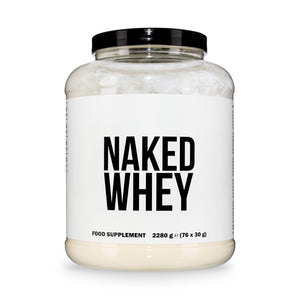
For example, if you need 100 grams of protein per day and you eat three meals with around 25 grams of protein each, you’re still short 25 grams. Incorporating one whey protein powder shake (25 g protein per serving) will fill in the gap.
If your needs are much higher, you can experiment with adding an additional shake and/or consuming more protein with meals. Current research shows that evenly spacing high-protein meals and snacks three to four hours is optimal.
Should You Stick to One Type of Protein?

Whey protein is the most popular type of protein powder, thanks to it’s complete profile of essential amino acids. It’s a good choice for most people who need a protein supplement.
You might choose a different type of protein like an egg protein or plant-based protein, based on your dietary preferences. There are some instances when using more than one type of protein could be beneficial.
For example, casein is another protein derived from milk that some people take in addition to whey protein. It digests more slowly than whey, making it a good shake to drink at night to help your muscles recover while you sleep.
If you prefer plant-based protein shakes, you can mix complementary proteins like rice protein and pea protein to provide all of the essential amino acids you need, therefore optimizing your protein quality.
Overall, it’s most important to ensure you’re getting the appropriate amount of protein on a consistent basis. First, use the calculator above to determine your needs. Then, choose a high-quality protein to incorporate as needed. Be consistent, and you’ll see the difference protein can make.
Related posts: