





Key Takeaways
- Whey protein contains modest cholesterol: A typical serving of whey concentrate has 25–50mg of dietary cholesterol; isolate has less, often under 20mg.
- Dietary cholesterol doesn't raise blood cholesterol: Decades of research confirm that cholesterol from food has minimal impact on LDL or HDL levels for most people.
- Whey protein tends to improve cholesterol: Studies show regular whey consumption can lower LDL and raise HDL, partly due to a compound called lactoferrin.
- Isolate has a slight edge: With less fat, less lactose, and more lactoferrin per gram, whey isolate may offer a marginal advantage for those actively managing cholesterol.
- Grass-fed whey is the best choice for heart health: Higher omega-3 and CLA content from grass-fed cows supports an anti-inflammatory environment that benefits cholesterol levels.
- Watch what surrounds the protein: Added sugars, artificial ingredients, and high saturated fat in low-quality powders are the real cholesterol concerns, not the whey itself.

Grass Fed Whey Protein Powder | Naked Whey - 5LB
- Build and Maintain Lean Muscle Mass
- Boost Immune System
- Lose Fat
- Improve Heart Health
How Much Cholesterol Is in Whey Protein — And Should You Worry?

If you're scanning a whey protein label and noticing cholesterol listed in the nutrition facts, you're not alone in wondering whether that number matters. It's a reasonable question, and the short answer is: for most people, it doesn't.
A standard serving of whey protein concentrate typically contains between 25 and 50mg of dietary cholesterol. Whey protein isolate, which undergoes additional processing, comes in lower, often under 20mg per serving. For context, the previous U.S. dietary guideline set a ceiling of 300mg of dietary cholesterol per day, and even that recommendation has been walked back as research evolved.
Here's what matters more than the number on the label: dietary cholesterol and blood cholesterol are not the same thing. Your liver produces cholesterol continuously based on internal signals, and for the majority of people, eating more dietary cholesterol simply prompts the liver to produce less. The net effect on blood cholesterol is negligible.
📊 What Research Says
Multiple randomized controlled trials and large-scale reviews have found that dietary cholesterol from whole foods, including dairy, does not meaningfully raise LDL or total blood cholesterol in healthy adults. The foods most consistently linked to elevated LDL are those high in saturated fat, trans fat, and added sugars, not protein-rich dairy sources.
The rest of this article explains the science behind that finding, walks through the specific effects of whey protein on cholesterol markers, and helps you identify what to actually look for on a supplement label.
Understanding Cholesterol: HDL, LDL, and What Actually Matters
Cholesterol is a waxy, fat-like substance your body manufactures and also absorbs from food. It's not inherently harmful. Your body uses cholesterol to build cell membranes, synthesize hormones like testosterone and estrogen, produce vitamin D, and make bile acids that help digest fat. Without it, none of those processes work.
The two primary carriers of cholesterol in the blood are low-density lipoprotein (LDL) and high-density lipoprotein (HDL). LDL transports cholesterol from the liver out to tissues and can deposit it in arterial walls, which contributes to plaque buildup and increases cardiovascular risk. HDL moves in the opposite direction, collecting excess cholesterol from the bloodstream and returning it to the liver for elimination. Higher HDL is generally protective.
The key distinction that most people miss is the difference between dietary cholesterol and blood cholesterol. Dietary cholesterol is what you consume in food. Blood cholesterol is what circulates in your body. These two numbers are loosely connected at best. For about 75 percent of people, eating more dietary cholesterol triggers the liver to compensate by producing less, keeping blood levels relatively stable.
- Saturated fats: Found in high amounts in processed meats, full-fat dairy, and cheap protein powders with poor-quality ingredients
- Trans fats: Still present in some packaged foods and hydrogenated oils; strongly linked to raised LDL and lowered HDL
- Added sugars and refined carbohydrates: Trigger insulin spikes that promote liver production of triglycerides and VLDL, which converts to LDL
- Excess calories overall: Particularly from low-fiber, low-protein diets that don't support healthy metabolic function
Whey protein, whatever cholesterol it contains, doesn't belong in the same category as those dietary drivers. Understanding that separation is the foundation for evaluating any supplement's effect on your cardiovascular health.
Does Whey Protein Raise or Lower Cholesterol? What the Research Says

The concern that whey protein could raise cholesterol is understandable given that it comes from dairy and contains some fat and cholesterol. But the research consistently points the other direction. Multiple studies show that regular whey protein consumption is associated with lower LDL cholesterol, lower total cholesterol, and in some cases higher HDL cholesterol.
One mechanism behind this is lactoferrin, a bioactive protein found in whey that makes up roughly 1 to 2 percent of its total protein content. Lactoferrin has been studied for its role in preventing LDL oxidation, which is the process by which LDL particles become small, dense, and more likely to embed in arterial walls. By reducing oxidized LDL, lactoferrin may directly lower the arterial damage risk that drives heart disease. Whey isolate contains a higher concentration of lactoferrin per gram than concentrate, which partly explains why isolate shows stronger effects in cholesterol research.
Beyond lactoferrin, whey protein supports lean muscle mass, which improves insulin sensitivity and metabolic rate. Both of those downstream effects are tied to better cholesterol profiles and lower cardiovascular risk over time. High-protein diets also tend to reduce triglyceride levels, another lipid marker strongly associated with heart disease risk.
It's worth being clear about what the research doesn't say: whey protein is not a cholesterol medication, and individual responses vary. People with familial hypercholesterolemia or complex lipid disorders should manage their condition with a physician. But for healthy adults and those managing mildly elevated cholesterol through diet, whey protein is a net positive, not a risk.
Whey Concentrate vs. Whey Isolate: Which Is Better for Cholesterol?

Both forms of whey protein come from the same source, but they differ in how extensively they're filtered. That difference matters when you're evaluating their respective effects on blood lipids.
| Feature | Whey Concentrate | Whey Isolate |
|---|---|---|
| Protein content | ~70–80% | ~90%+ |
| Fat content | Higher | Lower |
| Lactose | Moderate | Minimal |
| Cholesterol per serving | 25–50mg | Under 20mg |
| Lactoferrin concentration | Lower | Higher |
| Digestibility | Good | Better for sensitive individuals |
Isolate's lower fat content and higher lactoferrin concentration give it a marginal edge for people actively working to improve their cholesterol numbers. Most published research on whey protein and lipid profiles has used isolate, so the evidence base is stronger for that form. Concentrate has less research behind it in this specific context, though the existing data is still favorable.
In practice, the difference between the two is small for most people. The quality of the overall product matters far more than whether it says "concentrate" or "isolate" on the label. A grass-fed whey concentrate with no added sugars will outperform a low-quality isolate loaded with artificial sweeteners and inflammatory additives every time. Focus on ingredient quality first, then consider the form.
Why Grass-Fed Whey Protein Is the Best Choice for Heart Health

The nutritional quality of whey protein starts before processing, with what the cow ate. A grass-fed diet produces milk that's compositionally different from grain-fed milk in ways that directly affect your cardiovascular health.
Grass-fed whey contains meaningfully higher levels of omega-3 fatty acids and conjugated linoleic acid (CLA) compared to whey from conventionally raised cows. Omega-3s are well-documented for their anti-inflammatory effects. Chronic, low-grade inflammation is a key driver of elevated LDL, arterial plaque formation, and increased cardiovascular risk, which shows up in blood markers like C-reactive protein. By reducing systemic inflammation, the omega-3s in grass-fed whey create an internal environment where cholesterol levels are easier to manage.
CLA, a naturally occurring fatty acid found in ruminant fat, has its own cholesterol-relevant properties. Research links CLA to modest improvements in body composition and metabolic health, both of which influence lipid profiles over time.
One nuance worth addressing directly: grass-fed milk does contain slightly more dietary cholesterol than conventional milk. This sometimes causes concern, but as established earlier, dietary cholesterol has minimal impact on blood cholesterol for the vast majority of people. The higher omega-3 content in grass-fed whey is a meaningful benefit; the marginally higher dietary cholesterol is a non-issue.
Conventional whey protein, by contrast, comes from cows fed grain-heavy diets. The resulting whey is higher in pro-inflammatory omega-6 fatty acids and lower in the heart-healthy fats that give grass-fed whey its edge. Beyond the nutritional difference, grass-fed farming practices are better for soil health and produce lower carbon footprints than intensive feedlot operations, making it a better choice on multiple fronts.
How to Choose a High-Quality Whey Protein Powder
Not all whey protein powders are equal, and the differences in ingredient quality can directly affect your cholesterol and overall health. Here's what to evaluate before buying:
- Grass-fed sourcing: Look for whey explicitly sourced from grass-fed cows. This indicates higher omega-3 content, better CLA levels, and generally cleaner farming practices. "Natural" or "premium" labels mean nothing without this detail.
- No added sugars: Sugar is one of the most direct dietary contributors to elevated triglycerides and LDL. A protein powder that lists cane sugar, dextrose, or syrups among its first several ingredients undermines any benefit the protein itself might offer.
- Low saturated fat per serving: Check the nutrition facts. A well-processed grass-fed whey should have minimal saturated fat. Anything over 3 to 4 grams per serving warrants a closer look at the ingredient list.
- No artificial sweeteners or fillers: Artificial ingredients are a quality signal. The best whey protein powders have short ingredient lists because the protein itself does the work.
- Third-party testing: Look for NSF Certified for Sport, Informed Sport, or similar certifications. These verify that the product contains what the label claims, with no banned substances or contaminants.
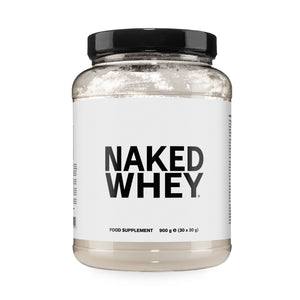
Naked Whey is sourced exclusively from small California dairy farms raising 100% grass-fed cows. Each two-scoop serving delivers 25 grams of protein with just 3 grams of fat, 2 grams of sugar, and no artificial sweeteners, flavors, or colors. One ingredient: whey protein. That's the standard worth holding other products to.
Choosing a product like this means the cholesterol conversation becomes straightforward. When a powder has no added sugars, minimal saturated fat, and clean sourcing, the modest dietary cholesterol it contains is genuinely not a concern.
How Much Whey Protein Should You Take Daily?

Your optimal daily protein intake depends on your body weight, activity level, and specific goal. More protein doesn't automatically mean better results, and less doesn't mean you're being conservative, it depends on the context. Here's a practical framework:
- Fat loss: 1.3 to 2.0 grams per kilogram of body weight (0.6 to 0.9 grams per pound). Higher protein during a calorie deficit preserves lean muscle and increases satiety.
- Muscle gain: 1.4 to 2.2 grams per kilogram of body weight (0.6 to 1.0 grams per pound). Combined with resistance training and sufficient calories, this range supports muscle protein synthesis effectively.
- Maintenance: 0.8 to 1.2 grams per kilogram of body weight (0.35 to 0.55 grams per pound). Adequate for most moderately active adults not in a defined building or cutting phase.
One serving of Naked Whey provides 25 grams of protein, a meaningful contribution toward any of those targets. For someone weighing 90kg (200lbs) who's building muscle, total daily protein needs could reach 175 to 200 grams, which may require two servings of whey alongside protein from whole food sources throughout the day. If you want a precise number based on your stats, the Naked Nutrition protein calculator gives a personalized recommendation in under a minute.
Whey protein works in both directions of body composition goals. In a calorie surplus, it supports muscle growth and helps ensure that added calories come with amino acids, not just energy. In a deficit, its high satiety per calorie helps reduce hunger without sacrificing protein targets. The protein itself doesn't decide whether you gain or lose. Total calorie balance does. Whey is a tool that fits either strategy cleanly.
Frequently Asked Questions
How much cholesterol is in whey protein powder?
Most whey protein powders contain between 25 and 100 mg of cholesterol per serving, depending on the type. Whey concentrate tends to run higher because it retains more fat from the original milk, while whey isolate is processed further and typically delivers 20 to 40 mg per serving. Always check the nutrition label, since amounts vary considerably by brand and formula.
Does the cholesterol in whey protein raise blood cholesterol levels?
For most people, dietary cholesterol from whey has a minimal effect on blood cholesterol. Research published in the American Journal of Clinical Nutrition has consistently shown that saturated fat intake is a stronger driver of LDL elevation than dietary cholesterol alone. The bioactive compounds in whey, including beta-lactoglobulin and lactoferrin, may actually support a healthier lipid profile rather than worsen it.
Is whey protein isolate a better choice if I'm watching my cholesterol?
Yes, whey isolate is the smarter pick if cholesterol and saturated fat are concerns. The additional filtration process removes most of the fat and lactose, which brings cholesterol content down to roughly 20 to 40 mg per serving compared to 50 to 100 mg in some concentrates. It also delivers a higher protein percentage per scoop, so you're not sacrificing performance to manage intake.
Can people with high cholesterol safely use whey protein?
Most people with elevated cholesterol can use whey protein without issue, but the specific formula matters. Choosing a low-fat whey isolate with no added saturated fats keeps the cholesterol contribution small. If you have diagnosed hypercholesterolemia or are on lipid-lowering medication, confirm the choice with your physician or a registered dietitian before adding any supplement consistently.
Does whey protein have any positive effects on cholesterol?
There's credible evidence that whey protein can modestly improve lipid markers. A meta-analysis by Stancliffe et al. (2012) in the British Journal of Nutrition found that whey supplementation reduced total cholesterol and LDL in overweight adults compared to control groups. The mechanism appears tied to bioactive peptides that influence cholesterol synthesis and absorption in the gut.
How does the cholesterol in whey protein compare to whole food protein sources?
Whey protein is competitive with most whole food options on cholesterol content. A single large egg delivers about 186 mg of cholesterol, a 3-ounce serving of beef contains roughly 70 to 90 mg, and a typical whey isolate scoop sits at 20 to 40 mg. If minimizing dietary cholesterol is a goal, whey isolate compares favorably to many common protein-dense foods.
Are Naked Nutrition whey protein products third-party tested?
Yes. Naked Nutrition products are tested by independent third-party labs to verify purity, label accuracy, and the absence of banned substances. That process confirms that what's on the nutrition label, including the cholesterol figure, reflects what's actually in the product. Transparency in sourcing and testing is a non-negotiable standard for us.
How many servings of whey protein per day is considered safe without raising cholesterol risk?
One to two servings per day is the practical range for most active adults, and at that level cholesterol contribution from whey is unlikely to be clinically meaningful. Two scoops of a whey isolate would add roughly 40 to 80 mg of dietary cholesterol, well within the general guidance of keeping total daily intake under 300 mg for healthy individuals. Exceeding three to four servings daily without dietary adjustments elsewhere could unnecessarily stack cholesterol and saturated fat intake.
Top Whey Protein Picks
Chosen by 1 million+ customers. Free shipping on orders over $100.

Grass Fed Whey Isolate Protein Powder | Naked Whey Isolate - 2LB
$74.99
- ✓ Zero Sugar & Zero Carbs
- ✓ Easy Digestion
- ✓ Maximum Pure Protein

Pea Protein Powder 1lb | Naked Pea - 1lb
$19.99
- ✓ Sustainable Farming Practices
- ✓ Superior Amino Acid Profile
- ✓ Promote Muscle Gain
- ✓ Lose Weight

Egg White Protein Powder | Naked Egg - 3LB
$79.99
- ✓ From non-GMO eggs exclusively from US farms
- ✓ Processed from fresh eggs into powder in under one day to retain a complete amino acid profile
- ✓ 25g of protein and 5.8g of BCAA's per serving
- ✓ Zero sugar

Micellar Casein Protein Powder | Naked Casein - 5lb
$109.99
- ✓ Why Micellar Casein Protein
- ✓ Promote Muscle Growth While You Sleep
- ✓ Improve Body Composition