



Let's just put this out there:
Before it makes it to you, most whey isn't the most appetizing thing in the world. When it's first separated from whole milk, whey is a slightly bitter, sickly pale, slimy liquid.
This is even worse if the whey was poorly processed and burned – which happens often. When the whey gets overheated that “slightly bitter” taste is greatly amplified. Similar situations can arise with casein and plant-based protein powders, as well.
So, to fix the situation, manufacturers use all sorts of additives, including dyes and flavors. Mostly, though, they rely heavily on a vast array of sweeteners.
But you most likely know that you shouldn't be gobbling down all sorts of sugar with your protein powder. What should you do, then?
Should you opt for a sugar free protein powder instead?
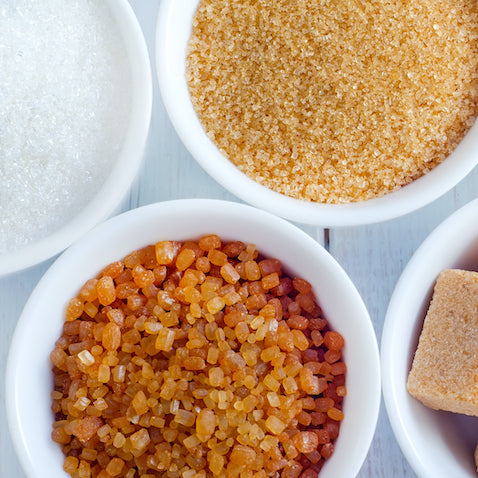
The Problem with Sugar
Why should you avoid sugar in your protein powder, though?
For one thing, chances are pretty high that you're taking that protein powder because you want... well, protein. You aren't looking for sugar. And you shouldn't be.
Most protein powders are already fairly high in calories – and they should be to make sure that you have the fuel you need. But any unexpected sugar could easily tip the scales (literally) and have you taking in more than you intended calories for the day. The potential damage of sugar in your protein, though, is even deeper than that.

Sugar, a rapidly absorbed carbohydrate, causes your blood sugar levels to rise dramatically. In response, your body releases insulin, a storage hormone that's responsible for getting any free-floating nutrients where they need to go. And insulin is very good at its job.
When insulin levels rise, all that sugar is quickly eaten up by your cells. Which leaves you with low blood sugar and equally low energy. This state also makes you crave more fast sugars, in a desperate effort to return to normal.
But that insulin also makes your body store away any free fat that may or may not have been in your blood, meaning that it can actively work against your fitness goals.
The Problem with Sugar Free
But a “sugar-free protein powder” isn't automatically a better choice. Often, companies still want to have a sweet end-product without the risks associated with sugar. So, they use artificial sweeteners.
There are several different chemicals that fall into this category – each of which comes with a series of concerns. Artificial sweeteners have been linked to an increase in obesity, diabetes and even certain forms of cancer.

Although the mechanism by which these side effects occur isn't completely understood, it is plain that these substances can have a major impact on the health of the bacteria that naturally inhabits the human digestive tract.
Manipulating these bugs can dramatically change your hormone profile, your immune response and even your metabolism – for better or worse.
The Better Option
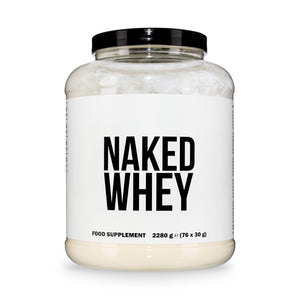
The best choice, then, would be to select a naturally sugar free protein powder – one that doesn't rely on artificial sweeteners.
If a protein powder is properly prepared and processed, no additives are needed to cover over any potential mistake made by the manufacturers.