


Fat has, over the past several decades, been depicted as a sort of dietary villain, rampaging through our bodies, shutting down arteries, and distorting our shape with mountains of body fat. And, based on this idea, low-fat varieties of foods are generally seen as “healthier.”
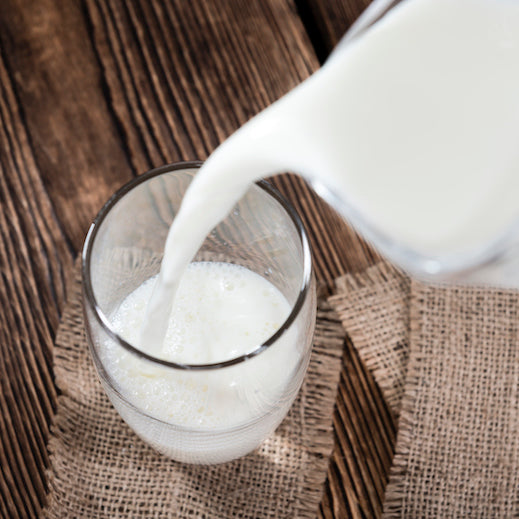
This been extremely evident when it comes to milk and other dairy products – a market where low-fat options regularly outsell the more natural higher-fat versions.
And, since most people who use whey protein powder try to make good decisions when it comes to nutrition, this debate can also spill over into the realm of protein shakes.
Is it better to use full-fat milk or reduced-fat versions in your whey protein shakes?
The Full-Fat Debate
As mentioned, many people commonly see full-fat milk as a distinctly unhealthy choice. But, is it really? Not according to the most recent research.
In fact, a 2012 review of 25 studies published in the European Journal of Nutrition found that full-fat milk does not increase the risk of cardiovascular disease or diabetes any more than low-fat options.
Even more surprisingly, the review found that people who “indulge” with full-fat milk either weighed less, gained less weight or otherwise had a lower risk for obesity than those who avoided fatty dairy.

Another, even larger study followed the diets of over 1,500 men with a 12-year follow-up specifically to investigate how their choices in dairy impacted their weight.
Specifically, this study looked at something called “central obesity,” meaning the amount of fat deposited around the mid-section which has been shown to have a direct impact on cardiovascular health and lifespan.
The study's authors summarized their findings like this: “A high intake of dairy fat was associated with a lower risk of central obesity and a low dairy fat intake was associated with a higher risk of central obesity.”
That's worth repeating: People who used low-fat milk weighed more than those who drank full-fat.
You Need Those Fats
Clearly, then, the fat that naturally occurs in milk doesn't deserve its negative reputation and is, in fact, extremely good for you. But why?
The science is still a little shaky but there are two prevailing thoughts on why milk fat is so helpful when it comes to weight control.

First, those fats that are removed from low-fat dairy contribute that a long lasting feeling of fullness, reducing the risk of overeating throughout the day. There is also the possibility that dairy fat controls genes that influence how your body uses the fat that's already in your system.
This would mean that full-fat milk causes your body to burn more fat for fuel and also to stop storing more body fat. But fat also plays an important role in the absorption and use of many useful substances.
Whey protein is full of extremely powerful antioxidants that can help to improve your immune function, cardiovascular health and tons of other biological functions. But these substances can only be absorbed and used in the presence of fat.
Using full-fat milk in your whey protein shakes, then, creates a filling and overall healthier drink to support your goals.