Skip to content

Während unseres Lagerwechsels auf Amazon verfügbar. Bald wieder zurück.

Naked Whey vs. The Others

Naked Whey vs. die Anderen

Wir bekommen hier bei Naked Nutrition viele Fragen dazu, was Naked Whey so großartig macht, deshalb möchten wir die Unterschiede aufschlüsseln.

Erstens ist Naked Whey durch und durch ein US-Produkt und stammt von grasgefütterten Kühen aus Nordkalifornien. Es kommt sehr selten vor, dass eine Proteinmarke Ihnen verrät, woher ihre Rohstoffe stammen, und der Grund ist: Sie wollen es Ihnen nicht sagen.

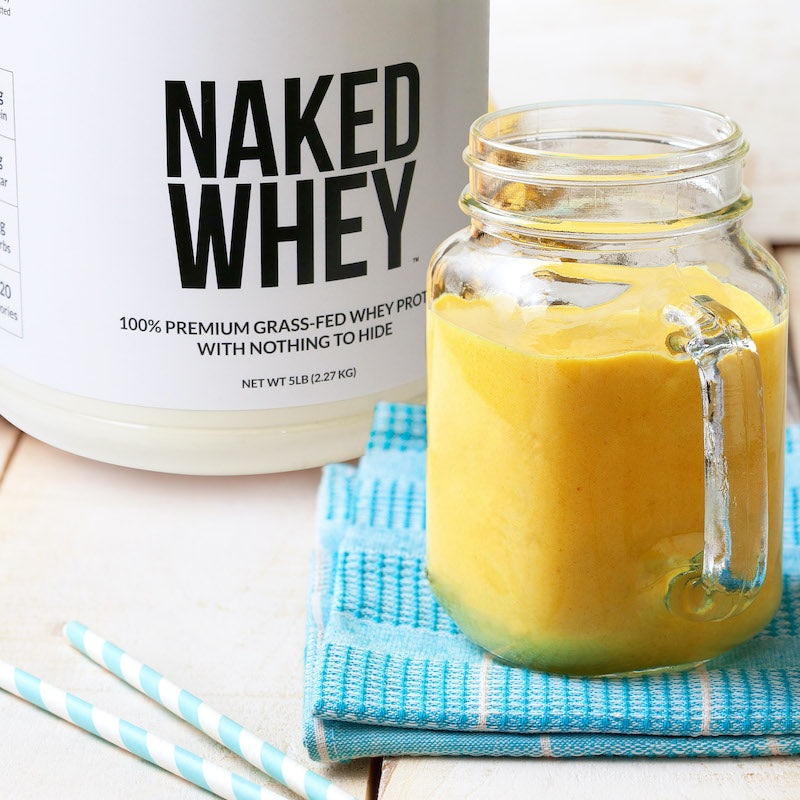
Becher mit geschmacksneutralem Naked Whey hinter einem Protein-Smoothie in einem Glas

Proteinpreise schwanken, und deshalb werden die günstigeren Molkenproteine ​​möglicherweise von verschiedenen Kontinenten weltweit bezogen. Einige Marken bieten beispielsweise ein Molkenprotein namens Proserum® an. Das klingt zwar nach einem tollen Namen, aber ehrlich gesagt ist es auch nicht mehr. Jemand beschloss, Molkenprotein aus Australien und Neuseeland zu importieren, kreierte eine Marke, um sein Produkt zu vermarkten – das war’s.

Sogar viele Bio-Proteinmarken sagen Ihnen nicht einmal, woher sie ihr Protein beziehen, und das liegt wiederum daran, dass Preise und Angebot schwanken und sie daher ihre Quelle ständig ändern.

Mir persönlich gefällt die Konsistenz, und deshalb wird Naked Whey immer nur von einer kleinen Gruppe von Familienbetrieben bezogen.

Zweitens enthält Naked Whey nur eine Zutat: Molkenproteinkonzentrat von grasgefütterten Kühen. Viele Marken fügen ihren Proteinen Süßstoffe, Aromen, Lecithin usw. hinzu, um deren Qualität zu verschleiern.

Wir stehen hinter der Qualität unseres Molkenproteins und deshalb werden Sie, wenn Sie Naked Whey zum ersten Mal probieren, wissen, warum wir so überzeugt sind.

Related Articles

High Protein Foods: The Best Animal and Plant Sources

High protein foods are those that pack a lot of protein per serving, and the richest sources are animal foods: chicken, turkey, lean beef, fish, eggs, and dairy like Greek yogurt and cottage cheese. The best plant sources include lentils, beans, tofu, tempeh, edamame, and seeds. Most adults benefit from spreading 20 to 30 grams of protein across each meal...

Link to article: High Protein Foods: The Best Animal and Plant Sources

How Much Protein Per Day to Lose Weight: A Simple Guide

To lose weight, most people do best eating roughly 1.2 to 1.6 grams of protein per kilogram of body weight per day, which is about 0.5 to 0.7 grams per pound. For a 165-pound person, that is around 90 to 120 grams daily. Higher protein helps you lose fat while keeping muscle, and it keeps you fuller so you naturally...

Link to article: How Much Protein Per Day to Lose Weight: A Simple Guide

Does Protein Powder Expire? Shelf Life, Safety, and Storage

Yes, protein powder expires, but slowly. Most powders carry a "best by" date one to two years out, and because they are dry, low-moisture products, they resist the bacteria that spoil fresh food. Used shortly past the date and stored cool and dry, protein powder is usually still safe; it mainly loses quality as the amino acid lysine slowly breaks...

Link to article: Does Protein Powder Expire? Shelf Life, Safety, and Storage

Collagen vs. Whey Protein: Which One Do You Actually Need?

Whey and collagen are both proteins, but they do different jobs, so one is not simply better than the other. Whey is a complete, high-quality protein that is excellent for building and maintaining muscle and meeting your daily protein needs. Collagen is an incomplete protein that is poor for muscle building, but its amino acids support skin elasticity, hydration, and...

Link to article: Collagen vs. Whey Protein: Which One Do You Actually Need?