


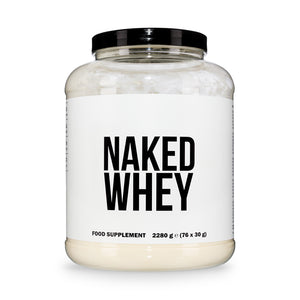


Supplements, of any class, are generally a source of concern – whether that suspicion is warranted or not. Typically, though, is concern is really just the result of misinformation or a lack of understanding regarding exactly how a particular substance affects the human body.
Of course, sometimes there is a legitimate reason to worry. Occasionally, supplements could actually have a negative impact – whether because of the active ingredient itself or because it has been contaminated in some way during processing.
For now, though, let's skip over the other types of supplements out there and just focus on mass gainers. Should you be worried about what's in your mass gainer supplement?
To answer that question, let's take a look at the common concerns that surround mass gainers individually.
The Wrong Type of Weight Gain
As the extremely descriptive name suggests, weight gainers are used to help someone gain weight. But, it's very important to differentiate between lean mass, muscle, and fat mass, more correctly called adipose tissue. Any excess calorie – regardless of which macronutrient it was when it entered your body – has the potential to be converted to and stored as fat.

In order to build muscle, though, you need to take in considerable excess protein and carbohydrates. So, then, people looking to pack on lean weight need to maintain a careful balance so that they minimize the amount of fat that they gain.
A poorly constructed weight gainer – full of fats and the wrong types of carbohydrates – could tack on lots of fat and very little muscle. To avoid that, be sure that your mass gainer has large amounts of high-quality protein, very little (if any) fat and plenty of slow carbohydrates.
Potential Allergens and Digestive Issues
Like many other foods and supplements, mass gainers could carry potential allergens or other problematic components. Since they are often made with whey and/or casein, people with dairy allergies or lactose intolerance will need to select their mass gainers carefully.
Similarly, soy protein is another common ingredient in mass gainers and other dietary supplements which can often cause allergic reactions in many people.
This list, really, could go on and on for a very long time. Instead of rattling off of the potential problem ingredients, however, let's just leave it at this: if you have food allergies or intolerances, check the ingredients before purchasing a mass gainer.

Ultimately...
So, let's get back to the initial question. Are mass gainers bad for you? Probably not. Just like anything else, mass gainer supplements could have some negative reactions in a small group of people and might have less-than-desirable effects if used incorrectly.
To avoid these problems, make sure that you can tolerate all of the ingredients in your mass gainer and stick with well-made products that offer plenty of protein and slow carbohydrates.