




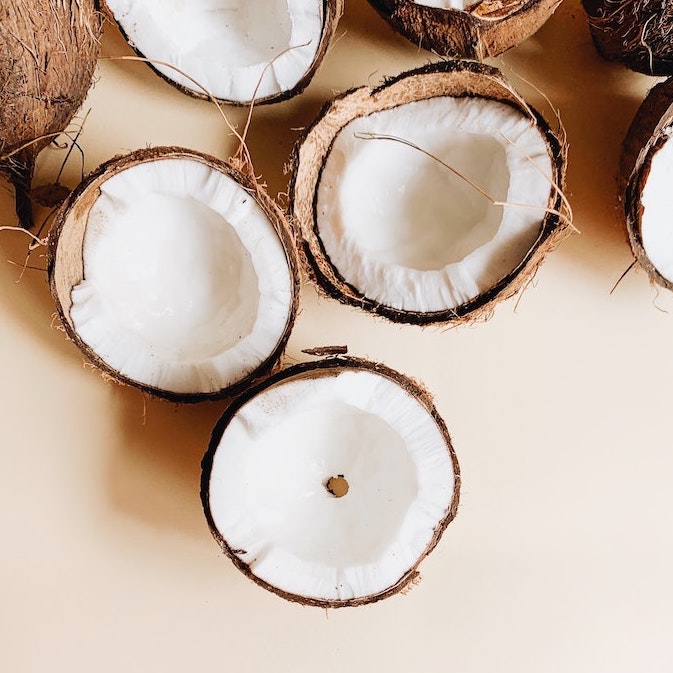
Suddenly, coconut has become hugely popular. And we aren't just talking about the fruit itself. No, you're pretty likely to encounter coconut water, coconut milk, coconut flour and coconut oil pretty regularly.
One coconut derivative that you may also see frequently is coconut sugar. But, whenever anything becomes this popular this quickly, it's pretty natural to take a skeptical view.
Is coconut sugar even that healthy? Is it any better than standard table sugar?
Micronutrients
Along with the macronutrients protein, fat and carbohydrates that your body needs in large concentrations, you also need smaller doses of other substances – called micronutrients.
White table sugar, after being put through the associated processes, is extremely low in any useful micronutrients. Coconut sugar, however, is extremely rich in minerals, specifically zinc, calcium and iron.

Another – oft-ignored -micronutrient is dietary fiber, a structural component of plants that the human body cannot readily breakdown and absorb. While this might seem like a waste, those fibers play a number of vitally important functions in your body.
Coconut sugar, in particular, is packed with an especially useful fiber called inulin. Like many other fibers, inulin works as a prebiotic – supporting the growth of healthy bacteria in the human digestive tract.
Through a variety of mechanisms, a healthy gut has been shown to improve immune function, fight certain forms of cancer, prevent diabetes, increase fat metabolism and encourage a healthy body weight.
Glycemic Impact
With all of these benefits, though, it's important to remember that coconut sugar is still a sugar. As such, one of the biggest factors to consider is the glycemic index of the sweetener – the level of impact that it has on your insulin levels measured on a scale of 1 to 100.
When a sweetener has a very high glycemic index, it is absorbed rapidly and stimulates a massive spike in your insulin levels. The hormone, then, does its job and tells your cells to use all of that sugar.
As a result, your blood sugar levels drop and you're left feeling tired and hungry. If your insulin levels are frequently elevated, your body can eventually stop listening to its signals and Type II Diabetes could develop.
Processed white table sugar, which is about 100 percent sugar, has a glycemic index of about 99. Natural coconut sugar, however, is only about 78 percent sugar and has a very minor glycemic index of 35.

Ultimately...
Largely because it is unprocessed, coconut sugar has a lot more to offer you than just plain ol' sugar. The same cannot be said, however, for standard white table sugar.
The intact coconut sugar, then, can provide you with minerals and fiber that impact your health in a wide variety of ways and can support the proper functions of numerous biological systems.
Apart from its other benefits, the fiber found in coconut sugar helps to slow down the absorption of the sweetener and stop it from having a dramatic impact on your blood sugar levels.