




Despite being a well-loved comfort food for many of us, chocolate milk isn't what we might traditionally call a “health food.” As it turns out, though, labeling the treat as an indulgence might be the wrong way to go.
According to many experts, in fact, chocolate milk might just be a perfect, natural and convenient post-workout snack. With a minor tweak. But why? What makes chocolate milk so useful after a workout? How can you make it even better?
Why It Works
Before we dive into exactly what chocolate milk accomplishes as a post-workout recovery drink, let's talk about what makes the treat so beneficial.
Of course, milk is famously rich in calcium. And while it's probably not as good for your bones as you've been told, calcium is a potent and useful electrolyte. Combined with sodium – another electrolyte also contained in milk – and the water that makes up a large concentration of the fluid, milk can go a long way toward rehydrating you after an intense workout.

But, perhaps the biggest reason that chocolate milk works so well has to do with the balance of carbohydrates and protein that it offers. Depending on how much chocolate you toss in there, chocolate milk usually contains a 4:1 ratio of carbohydrates to protein – which just happens to be the ratio commonly used in commercially available recovery drinks.
What It Does
What, exactly, does chocolate milk do for you, though?
One study took 10 cyclists and put them through 3 different trials over the course of 4.5 weeks. After each bout of activity, the athletes were given either chocolate milk, a sports drink or water. Once they were fully recovered, the subjects then performed a 40km time trial. Throughout the study, a variety of other measurements were taken to monitor the muscle health and overall fitness of the subjects in each group.
At the end, the chocolate milk group greatly outperformed their counterparts. Not only did the chocolate milk group shave an average of 6 minutes off their ride, but they packed on more muscle and lost more fat while seeing more improvements in every measure of their overall fitness.
Basically, chocolate milk facilitated more thorough recovery which then allowed the athletes to make faster progress. And that's awesome.

Related research has confirmed that chocolate milk increase protein synthesis and muscle recovery, allowing your body to rebuild and improve any muscle fibers that were impacted by your workout.
A Few Considerations
Now, before you go chugging chocolate milk after all your workouts, there are a few things you need to know. First, all the studies into the subject used low-fat milk in their concoction. Since a large dose of fat right after your workout can cause digestive upset while also adding some counterproductive calories, this is key.
But you many also want to give some thought to the protein content of that milk. Granted, milk is very high in quality protein. Depending on your goals and dietary needs, though, it might not be enough.
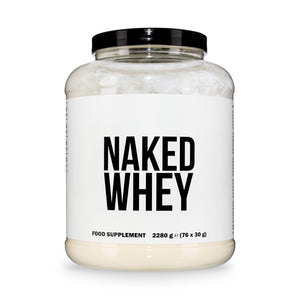
To help give you post workout chocolate milk a boost, then, add a protein powder like Naked Whey. Or, for even more flavor, you could use Less Naked Chocolate Whey.