




Key Takeaways
- Protein gap is real: Many vegetarians fall short of daily protein targets, and high-quality protein powders are one of the most practical ways to close that gap without overhauling your diet.
- Multiple options exist: Pea protein works for vegans and vegetarians alike; whey suits lacto-vegetarians; egg white protein is a complete, highly digestible choice for ovo-vegetarians.
- Cooking with protein powder is straightforward: Pancakes, muffins, smoothies, overnight oats, and energy balls all work well — once you understand a few basic ratios.
- Plant proteins absorb more liquid: Adjust your liquid measurements slightly when substituting pea or rice protein for flour or whey in recipes.
- Unflavored protein powder is the most versatile: It blends into both sweet and savory recipes without altering taste.
- These recipes work for more than athletes: Anyone on a vegetarian diet who wants to hit their protein targets can use these meals and snacks.

Pea Protein Powder | Naked Pea
- Plant-Based Protein
- Third-Party Tested
- No Artificial Additives
- Made in the USA
Vegetarian Protein Powder Recipes Worth Adding to Your Routine

If you're eating a vegetarian diet and you've ever finished a day of meals wondering whether you hit your protein target, you're not alone. Whole food sources like lentils, chickpeas, tofu, and eggs are genuinely good options, but reaching 100 to 150 grams of protein per day on plants alone takes real planning. That's where vegetarian protein powder recipes come in — not as a replacement for real food, but as a practical tool that makes hitting your numbers significantly easier.
This article is for anyone following a vegetarian diet who wants more protein without more effort: athletes, yes, but also busy professionals, meal preppers, and anyone who's just tired of eating plain Greek yogurt every afternoon. The recipes here use pea protein (suitable for vegans and vegetarians), egg white protein (for ovo-vegetarians), and whey protein (for lacto-vegetarians) — so there's something here regardless of exactly where your dietary lines fall.
What you'll find below: tested recipes for pancakes, muffins, smoothies, overnight oats, and energy balls, plus practical tips for cooking and baking with protein powder so your food actually tastes good. Each recipe includes estimated macros, prep time, and suggested variations so you can adapt based on what's in your kitchen.
Why Vegetarian Protein Powder Belongs in Your Kitchen

The recommended dietary allowance for protein sits at 0.8 grams per kilogram of body weight, but active individuals and those trying to build or maintain muscle need considerably more — research published in the Journal of the International Society of Sports Nutrition suggests 1.4 to 2.0 grams per kilogram for active adults. For a 150-pound vegetarian, that's roughly 95 to 136 grams of protein daily. Reaching that number from whole plant foods alone is possible, but it requires volume and variety that most people don't consistently manage.
A good vegetarian protein powder does three things well: it delivers a complete or near-complete amino acid profile, it's digested efficiently, and it uses clean, minimal ingredients. Here's a quick breakdown of the main types:
- Pea protein: High in branched-chain amino acids, easy to digest, and works across nearly every recipe format. Suitable for vegans.
- Egg white protein: A complete protein with an excellent amino acid profile and a neutral flavor. Ideal for ovo-vegetarians who want to avoid dairy.
- Whey protein: Fast-digesting, complete, and highly soluble in liquids. Best for lacto-vegetarians.
- Brown rice and hemp protein: Lower in certain amino acids but useful when blended or combined with other plant proteins.
- Minimal ingredients: fewer additives mean more flavor flexibility in recipes
- Neutral or complementary flavor: unflavored powders work in savory and sweet dishes; vanilla pairs with fruit-based recipes
- Good solubility: powders that clump dry will also clump in batter — look for fine-milled options
- Stable under heat: most proteins handle baking temperatures without denaturing in a way that affects texture
Naked Nutrition's approach to protein powder keeps the ingredient list short by design. Naked Pea, for example, contains a single ingredient: yellow peas. No artificial sweeteners, no fillers, no proprietary blends. That matters in recipes because every ingredient you add to a batter or blender competes for flavor, and a clean-tasting base gives you more control over the final result.
High-Protein Pancakes (Vegetarian-Friendly)
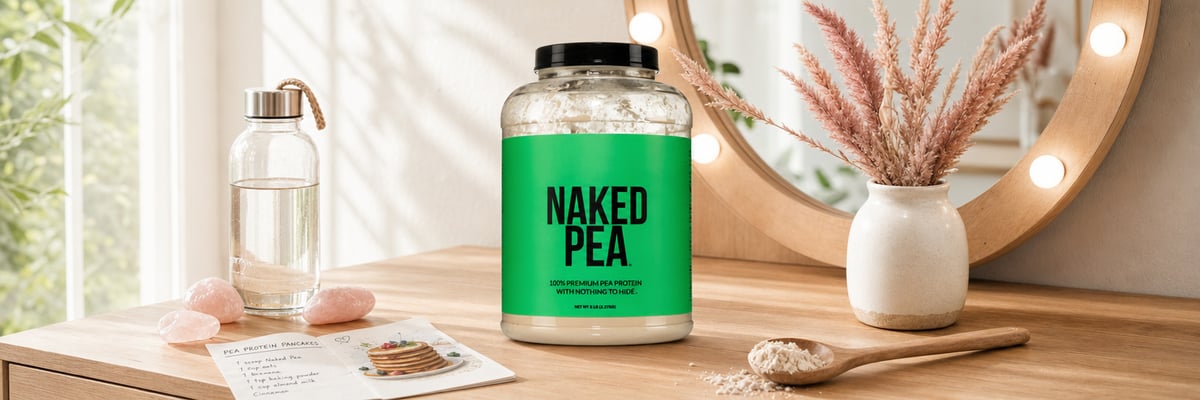
Pancakes are one of the easiest entry points for cooking with protein powder. The base recipe below uses pea protein and rolled oats — two ingredients that work together well because the oats provide structure while the protein powder adds density. Pea protein specifically works well here because it absorbs liquid and creates a thicker batter that holds its shape on the griddle better than whey-based versions.
Prep time: 5 minutes | Cook time: 6 minutes | Servings: 2 pancakes
Ingredients:
- 1/3 cup rolled oats
- 1 scoop Naked Pea protein powder
- 1/4 tsp baking powder
- 1 egg
- 1/3 cup milk (dairy or unsweetened plant-based)
Instructions:
- Use a coffee grinder or food processor to grind the rolled oats into a fine flour.
- Combine the oat flour, protein powder, and baking powder in a large bowl.
- Add the egg and milk. Stir until just combined — a few lumps are fine. If the batter looks too thick, add milk one tablespoon at a time.
- Lightly grease a skillet or griddle and bring it to medium-high heat.
- Spoon the batter onto the surface. Cook each side for approximately 3 minutes, flipping once bubbles form and the edges look set.
Estimated macros per serving (2 pancakes): ~320 calories | 28g protein | 32g carbohydrates | 7g fat
📊 What Research Says
A study published in the American Journal of Clinical Nutrition found that consuming protein at breakfast increases satiety and reduces overall calorie intake throughout the day compared to low-protein morning meals. Starting with a high-protein pancake base is one of the most practical ways to build that intake from the first meal.
Variations to try:
- Add 1/2 tsp cinnamon and a splash of vanilla extract to the batter for warmth
- Fold in 1/4 cup fresh or frozen blueberries before cooking
- Top with natural almond butter and sliced banana instead of syrup
- Swap the egg for a flax egg (1 tbsp ground flax + 3 tbsp water) to make the recipe vegan
Apple Banana Protein Muffins
Muffins are the original meal prep snack. Make a batch on Sunday and you have a high-protein grab-and-go option for the entire week. This recipe uses banana and apple sauce as natural sweeteners and moisture sources, which means you don't need added sugar to get a result that actually tastes good.
Prep time: 10 minutes | Cook time: 35 minutes | Yield: 6 muffins
Ingredients:
- 1 ripe banana, mashed
- 1 cup apple sauce (sweetened or unsweetened)
- 1/2 cup rolled oats
- 2/3 cup milk (dairy or unsweetened plant-based)
- 1 scoop Naked Pea protein powder
- 1/2 tsp baking powder
Instructions:
- Preheat your oven to 350 degrees Fahrenheit.
- Combine all ingredients in a medium bowl and mix thoroughly until no dry pockets remain.
- Spray a 6-cup muffin pan with non-stick spray or line with paper liners.
- Divide the mixture evenly across the cups — they should be about two-thirds full.
- Bake for 35 minutes, or until a toothpick inserted in the center comes out clean.
- Let cool for 10 minutes before removing from the pan.
Estimated macros per muffin: ~130 calories | 9g protein | 20g carbohydrates | 2g fat
Storage: Store in an airtight container at room temperature for up to 3 days, or refrigerate for up to 7 days. These freeze well for up to 3 months — freeze individually and thaw overnight in the fridge or 30 seconds in the microwave.
Variations to try:
- Add 1/4 cup chopped walnuts for healthy fats and texture
- Swap apple sauce for pumpkin puree and add 1/2 tsp pumpkin spice for a seasonal version
- Use chocolate-flavored protein powder and add 2 tbsp cocoa powder for a double-chocolate muffin
- Stir in 2 tbsp raisins or dark chocolate chips for extra sweetness without refined sugar
Quick Green Protein Smoothie
This smoothie takes under three minutes to make, delivers a solid protein hit, and actually tastes good — even with a full cup of spinach in it. The banana and pear mask the earthy flavor of both the spinach and the pea protein, making this a reliable option for anyone who's skeptical about green smoothies.
Prep time: 3 minutes | Servings: 1
Ingredients:
- 1 cup water (or unsweetened almond milk for a creamier result)
- 1 scoop Naked Pea protein powder
- 1/2 banana (fresh or frozen)
- 1/2 pear, cored
- 1 cup fresh spinach
Instructions:
- Add liquid first — this protects the blender blade and ensures a smoother blend.
- Add the spinach next so it blends closest to the liquid.
- Add the banana, pear, and protein powder last.
- Blend on high for 45 to 60 seconds until completely smooth.
- Drink immediately for best texture, or refrigerate for up to 12 hours.
Estimated macros per serving: ~220 calories | 22g protein | 28g carbohydrates | 2g fat
This smoothie works as a quick post-workout option or a breakfast when you're out the door in minutes. Using a frozen banana instead of fresh gives you a thicker, colder texture without needing ice, which dilutes flavor.
Variations to try:
- Swap the pear for frozen mango for a tropical version
- Add 1 tbsp chia seeds or ground flaxseed for extra omega-3s and fiber
- Use unsweetened almond milk instead of water to increase creaminess and add a small amount of healthy fat
- Add 1 tbsp natural peanut or almond butter to boost calories for a post-workout recovery meal
More Easy Vegetarian Protein Powder Recipe Ideas

Once you've got the foundational recipes down, it's worth having a few more options in rotation — especially ones that require zero cooking. These three ideas expand your repertoire without adding much prep time.
Protein Overnight Oats
Combine 1/2 cup rolled oats, 1 scoop unflavored or vanilla pea protein powder, 1 cup unsweetened almond milk, 1 tbsp chia seeds, and 1 tsp honey in a jar. Stir well, seal, and refrigerate overnight. In the morning, top with fresh berries or sliced banana. Estimated macros per jar: ~380 calories | 30g protein | 45g carbohydrates | 7g fat. Overnight oats keep for up to 4 days in the fridge, making them one of the best high-protein meal prep options available.
No-Bake Protein Energy Balls
In a large bowl, mix 1 cup rolled oats, 1 scoop protein powder, 1/2 cup natural nut butter, 3 tbsp honey, and 2 tbsp dark chocolate chips or raisins. Stir until the mixture holds together. If it's too dry, add one teaspoon of water at a time. Roll into 12 balls and refrigerate for at least 30 minutes before eating. Store in an airtight container in the fridge for up to 10 days, or freeze for up to 2 months. Each ball delivers roughly 8 to 10 grams of protein depending on your nut butter choice.
- Sedentary adults: aim for 0.8g protein per kg of body weight per day
- Active vegetarians: aim for 1.4 to 2.0g per kg per day
- One scoop of pea protein powder typically delivers 25 to 27g of protein
- Two of the recipes above combined can contribute 50 to 55g toward your daily goal
Protein-Boosted Hummus
This one surprises people. Blend a standard hummus recipe (chickpeas, tahini, lemon, garlic, olive oil) and add one scoop of unflavored pea protein powder before the final blend. The flavor is virtually undetectable, and you get an additional 25 grams of protein per batch spread across servings. This works because unflavored pea protein has a mild, neutral taste that doesn't compete with the savory ingredients. Serve with raw vegetables or whole grain pita for a high-protein snack that takes under five minutes to make.
Tips for Cooking and Baking with Vegetarian Protein Powder

Protein powder isn't a 1:1 substitute for flour, and treating it like one is the most common reason baked goods come out dense, rubbery, or dry. These tips will keep your recipes consistent.
Plant proteins absorb more liquid than whey. Pea, rice, and hemp protein powders are thirstier than whey in batter and dough. If you're adapting a recipe that was written for whey, start by increasing your liquid by 2 to 3 tablespoons and adjust from there. The batter should look like normal pancake or muffin batter — not paste.
Start by replacing only a portion of flour. If you're modifying a recipe you already know, swap out 20 to 25 percent of the flour for protein powder first. That's usually about 1/4 cup of flour replaced with one scoop. Going all-in on the first attempt makes it harder to identify what needs adjusting.
Know your use case. Heat doesn't destroy protein, but it does affect texture. Protein powder in baked goods (muffins, pancakes, cookies) works best when it makes up no more than 30 percent of the dry ingredients by volume. In smoothies and overnight oats, there's no structural limit — add as much as your taste allows. Stirring protein powder into hot soup or oatmeal works fine; just add it off the heat to avoid clumping.
Match your flavor to your recipe. Vanilla protein powder pairs well with fruit-based recipes, chocolate protein works in muffins and energy balls, and unflavored protein is the right call for savory applications like hummus or vegetable-based soups. Using a vanilla powder in a savory dish will make it taste like dessert — not in a good way.
Unflavored pea protein is the most versatile option you can keep on hand. It blends into almost anything without changing the flavor profile, and it works equally well in sweet and savory contexts. If you're going to keep one protein powder in the kitchen for cooking purposes, that's the one to choose.
Frequently Asked Questions
What types of protein powder work best in vegetarian recipes?
Whey protein works well in baked goods and smoothies because it blends smoothly and tolerates heat without turning rubbery. Plant-based options like pea, rice, and hemp protein are naturally vegetarian and perform well in pancakes, energy balls, and oatmeal. The right choice depends on your dietary preferences and how the recipe handles heat and moisture.
Can I substitute protein powder for flour in vegetarian baking recipes?
You can replace a portion of the flour with protein powder, but a full 1:1 swap typically results in dense, dry baked goods. A common starting point is replacing 25 to 30 percent of the flour with protein powder, then adjusting liquid ingredients to compensate. Whey isolate tends to absorb more moisture than plant-based proteins, so your ratios may differ depending on the powder you use.
How much protein powder should I add per serving in a recipe?
Most recipes use one scoop, which is typically 25 to 30 grams of protein powder, per serving or per batch depending on the yield. Going beyond that threshold often throws off texture and flavor without meaningfully increasing the protein per bite. Start with one scoop, taste the result, and scale from there based on your protein goals.
Does cooking or baking protein powder destroy its nutritional value?
Heat does cause some protein denaturation, but denatured protein is still digestible and nutritionally functional. Research consistently shows that the amino acid profile of whey and plant proteins remains intact after standard baking temperatures. You're not wasting protein by cooking it; you're simply changing its structure, not its utility.
Are vegetarian protein powders complete proteins?
Whey is a complete protein, meaning it contains all nine essential amino acids in adequate ratios. Most individual plant proteins are not complete on their own, but blending pea and rice protein together covers the full amino acid spectrum effectively. Naked Nutrition's plant-based blends are formulated with this combination specifically so you're not missing leucine or methionine, the two amino acids most often lacking in single-source plant proteins.
What are the best high-protein vegetarian breakfast recipes using protein powder?
Protein pancakes, overnight oats with a scoop stirred in, and smoothie bowls are the most practical options for busy mornings. A basic protein pancake recipe using banana, eggs, and one scoop of vanilla protein powder delivers around 25 to 35 grams of protein per serving with minimal prep. These options also reheat well, so batch cooking on weekends keeps your weekday breakfasts on track.
Is vegetarian protein powder safe to consume daily?
For most healthy adults, daily use of protein powder is safe and consistent with general dietary guidelines. A 2017 review published in the Journal of the International Society of Sports Nutrition found no adverse effects on kidney function or bone health in healthy individuals consuming up to 2.2 grams of protein per kilogram of bodyweight daily. If you have a pre-existing kidney condition, consult your doctor before significantly increasing total protein intake from any source.
How do I prevent a chalky or gritty texture when cooking with plant-based protein powder?
Chalkiness in plant-based recipes usually comes from under-mixing or using too much powder relative to the wet ingredients. Blending the protein powder into liquid before adding it to the rest of the recipe helps it incorporate evenly. Adding a tablespoon of nut butter, Greek yogurt, or mashed banana also smooths out the texture and balances the earthy flavor common in pea and hemp proteins.
Top General Nutrition Picks
Chosen by 1 million+ customers. Free shipping on orders over $100.

Organic Brown Rice Protein Powder - 5LB
$74.99
- ✓ Superior Amino Acid Profile
- ✓ Promote Muscle Gain
- ✓ Lose Weight
- ✓ Boost Protein Intake

Vegan Mass Gainer Protein Powder | Naked Vegan Mass - 8LB
$79.99
- ✓ Fuel Your Workouts
- ✓ Meet Daily Calorie Requirements to Gain Weight
- ✓ Plant-Based Proteins to Build Muscle

Grass Fed Whey Protein Powder | Naked Whey - 5LB
$139.99
- ✓ Build and Maintain Lean Muscle Mass
- ✓ Boost Immune System
- ✓ Lose Fat
- ✓ Improve Heart Health