


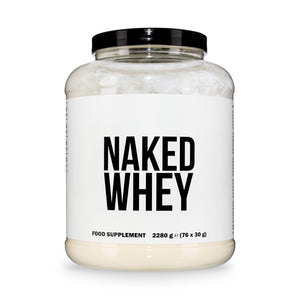

At first, it would seem like whey protein would be a fairly straightforward topic, right? I mean, it's the nutrient-rich, liquid portion of milk. Pretty easy stuff.
When you look at your options, though, there are tons of different variations of whey, all claiming superiority. Often, the difference here comes down to processing.
After all, how does a white, slightly bitter liquid go to that powder in your tub? What are some of the procedures that whey goes through? Why does it matter?
Isolated and Denatured
One of the most common distinctions you're going to see advertised is whether a whey is a concentrate or an isolate – phrases that are proudly stamped on powders from companies on both sides of the debate. What's the difference?
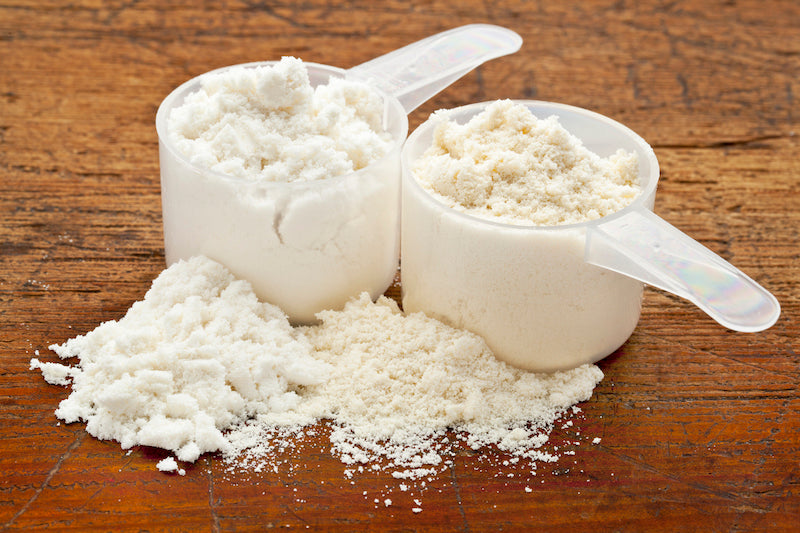
When whey is first created, separated from the solid portion of milk, that is whey concentrate. That's it. At this point, it includes much more than just protein, though. Mixed into that liquid and the resulting powder is also a small amount of fat and carbohydrates.
In order to increase the concentration of protein, however, many manufactures put their product through any number of processes that remove the fat and carbohydrates. What's left is known as whey protein isolate.
This process denatures the whey, partially breaking down the protein and completely destroying other components. Among the casualties of this conversion are numerous nutrients that can impact several aspects of health that we don't typically associate with whey protein.

As mentioned, the fat goes – which may not seem like a bad thing. The truth, though, is that the fat found in whey is necessary for the creation of several hormones and the absorption of vitamins and minerals.
In fact, the fat in whey is directly bound up with immunoglobulins that support healthy immune function and are later converted into the powerful antioxidant, glutathione.
One specific type of fat, known as conjugated linoleic acid (CLA) has been linked with improved metabolism and cardiovascular health.
It's also worth noting that CLAs are found in much high quantities in grass-fed whey.
Studies have shown that CLA can help preserve lean muscle mass, as well as help you burn more fat. In other words, it can help you lose weight without sacrificing muscle.
Of course, as long as you're also following an exercise and nutrition plan.
All of these other, oft-forgotten benefits of whey are diminished when it is overly processed and denatured.
Additives
It's also important to realize that, when nutrients are stripped from the whey during aggressive, high-heat processing, remnants of this treatment are sometimes left behind in your whey.
That means that, instead of getting protein plus all of the other beneficial nutrients naturally found in whey, you get protein plus heavy metals, acids, and chemical detergents.
In order to try to hide the damage they've done and make the product more palatable, then, companies will often add things back. This typically includes dyes and flavorings, which can carry their own problems.

Of special interest here, though, is the fact that things like amino acids are sometimes thrown back into the mix. On paper, this seems like a great thing.
In reality, however, this means that those nutrients were removed from the product during processing and needed to be replaced. These additional amino acids often come from unsavory sources, like animal fur that was deemed unfit for use by the clothing industry.
Ultimately, they, whey is pretty incredible on its own – fully of more nutrients that many people give it credit for. When high-heat and acid are used to process it, though, that nutritional powerhouse is greatly reduced – all so that a few more grams of protein can be claimed on the label.