



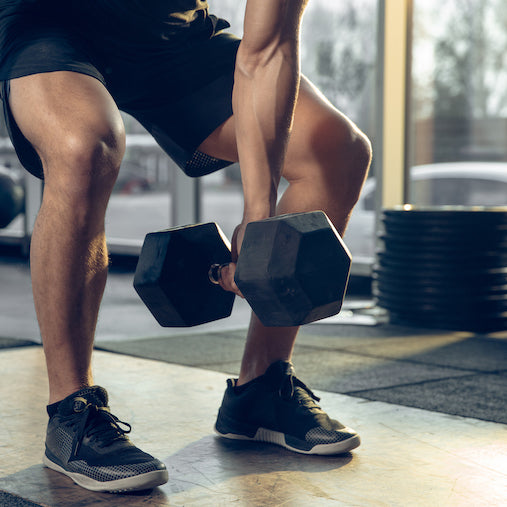
The idea that you can skip meals and gain muscle mass probably seems a little strange. According to an ever-growing body of research, though, Intermittent Fasting – purposefully skipping meals – could actually do just that: help to encourage muscle growth.
But, how can this be true? After all, won't your body start to devour your muscle for fuel if you go without food for too long?
Exercise, Fasting and Repairs
To fully answer this question, it's important that we talk about the hormonal and structural changes that your body goes through both when you exercise and when you fast.
Each time you work out, your muscles endure a small amount of damage in the form of microscopic tears to the fibers. In response, your body begins a rebuilding process intended to not only fix the damage but also that make sure that your muscles are better prepared for the next challenge.
This rebuilding work is an incredibly complex topic, however, and it just wouldn't be possible (or practical) to try to cover the entire process here. What you do need to know, however, is that something called autophagy is involved.

Simply put, autophagy is the process by which damaged or malfunctioning parts of your cells are removed and replaced. Essentially, it's cellular maintenance. Because exercise damages cells, autophagy is a vital part of both recovery and improvement.
In fact, when scientists have restricted autophagy in mice, the subjects were unable to gain muscle mass through exercise. Apart from being a terrible thing to do to mice, this study powerfully demonstrates the importance of autophagy in building and maintaining healthy muscle fibers.
Interestingly, even small doses of amino acids can actually suppress autophagy. Fasting, however, promotes the process. Now, it's important to point out that autophagy needs to be balanced. Either too much or too little autophagy can disrupt health muscle maintenance.
Still, when fasting is combined with a proper diet, healthy amounts of autophagy can be achieved so that your muscles are able to thoroughly recover and repair themselves from your workouts.
Hormonal Changes
By far, though, one of the most interesting aspects of intermittent fasting has to do with how it impacts your hormones.
As you might already know, each time you eat your body release a hormone called insulin. Sometimes called “the storage hormone,” insulin then makes sure that the nutrients found in your food get to where they need to go and can be used properly.

Although we typically associate insulin with carbohydrates and fat storage, it also helps to move proteins to your muscles so that they can be used in growth and repair.
When your insulin levels are too high for too long, though, your body can stop listening to the signals sent by the hormone and nutrients can get stuck in your blood stream. Not only will slow down your muscle growth but it can also lead to Type II Diabetes.
Fortunately, intermittent fasting has been shown to increase insulin sensitivity so that the hormone can continue to efficiently do its job. Intermittent Fasting has also demonstrated that ability to increase levels of the aptly-named Human Growth Hormone (HGH).
Through a series of complex mechanism, HGH stimulates muscle growth and recovery in response to exercise.