




Key Takeaways
- Define the fast correctly: A protein shake fast means replacing all meals with protein shakes for 24 hours while staying under 500 calories total.
- Quality protein is non-negotiable: When shakes are your only nutrient source, the protein source matters more than ever. Choose a grass-fed whey concentrate.
- Keep it short: Limit protein shake fasts to 24 hours. Longer fasts without medical supervision increase the risk of muscle loss and nutritional deficiency.
- Hydration is critical: High protein intake increases fluid demand. Drink more water than usual to protect kidney function and manage hunger.
- Not everyone should fast: People who are pregnant, have kidney disease, diabetes, or a history of disordered eating should avoid this approach without explicit medical guidance.
- Side effects are normal but manageable: Fatigue, irritability, and headaches are common on your first few attempts. They typically ease with consistency.

Strawberry Banana Protein Shake | Naked Shake - 30 Servings
- No Artificial Additives
- Made in the USA
- Quality Verified
- Expert Nutrition Support
What Is the Safest Way to Do a Protein Shake Fast?

If you're searching for the safest way to do a protein shake fast, you probably already know fasting has real health benefits, but you want to make sure you're not doing it in a way that backfires. That's the right instinct. The safest way to do a protein shake fast is to replace all meals with high-quality protein shakes for a single 24-hour period, keep your total calorie intake under 500 for the day, stay well hydrated, and choose a protein source that supports rather than depletes your body.
A protein shake fast is distinct from water fasting, where you consume nothing but water, and from intermittent fasting, where you compress your eating window but still eat whole meals. This approach occupies a practical middle ground: you're restricting calories enough to trigger the metabolic and cellular benefits of fasting, while still giving your body amino acids to prevent muscle breakdown.
This article covers who this type of fast is right for, how to structure it safely from start to finish, which protein powder to use and why, and what side effects to expect. Follow these guidelines and you can use protein shake fasting as a structured, repeatable health tool.
Why People Try Protein Shake Fasting (And Whether It Works)

The evidence behind fasting is substantial. Research has linked caloric restriction and fasting protocols to weight loss, improved metabolic markers, enhanced cognitive function, and immune system support [1]. The appeal of protein shake fasting specifically is that it delivers those benefits while removing the hardest part of traditional fasting: the fear of losing muscle.
📊 What Research Says
A review published in Obesity Reviews found that higher protein intake during caloric restriction significantly preserved lean muscle mass compared to standard protein intake, even when total calories were low [2]. Keeping protein elevated is the key variable that separates a productive fast from one that costs you muscle.
Here's the myth worth correcting: your body does not start cannibalizing muscle the moment you skip a meal. Muscle protein breakdown accelerates during prolonged, severe caloric restriction without adequate protein, not during a structured 24-hour fast that includes protein shakes. Your metabolism doesn't grind to a halt either. Short-term fasting has actually been shown to increase norepinephrine levels, which temporarily elevates metabolic rate [3].
People also use protein shake fasting for the simplicity of it. There are no meals to plan, no macros to track beyond a calorie ceiling, and no cooking. For someone who wants a structured reset without the complexity of a full dietary overhaul, one intentional fast day per week is a manageable, evidence-backed tool.
Who Should (And Shouldn't) Try a Protein Shake Fast
A protein shake fast is best suited to generally healthy adults who want a structured short-term reset, are not currently underweight, and don't have any underlying conditions that affect protein metabolism or blood sugar regulation. If you're in good health, exercise regularly, and are curious about the benefits of fasting without committing to a full water fast, this approach is worth considering.
- Pregnant or breastfeeding women: Caloric restriction during pregnancy or lactation poses risks to both mother and child.
- People with kidney disease: High protein intake stresses kidneys that are already compromised. A standard protein shake fast is not appropriate without direct medical supervision.
- People with type 1 or type 2 diabetes: Fasting can cause dangerous blood sugar fluctuations, particularly for those on insulin or blood sugar medications.
- Anyone with a history of disordered eating: Structured restrictive protocols can trigger or reinforce unhealthy patterns.
- Underweight individuals: If you're already below a healthy body weight, further caloric restriction is not appropriate.
Even if you don't fall into those categories, consult a doctor or registered dietitian before starting, especially if you take any medications or have a chronic health condition. This fast won't fix a poor diet, resolve a hormonal imbalance, or replace medical treatment. What it can do, done correctly, is give your digestive system a break, improve your relationship with hunger, and support short-term weight management as part of a broader healthy lifestyle.
How to Choose the Right Protein Powder for Your Fast
When protein shakes are your only source of nutrients for an entire day, the quality of what's in that shake matters more than it does on any normal training day. You're not supplementing a diet here. You're replacing it. That distinction changes everything about how you should evaluate a protein powder.
Whey protein concentrate from grass-fed cows is the strongest choice for a protein shake fast. Here's why: unlike whey isolate, concentrate retains the naturally occurring fats and micronutrients that are stripped out during the additional filtration isolates go through. Those retained fats include omega-3 fatty acids and conjugated linoleic acid (CLA), both of which are found in higher concentrations in milk from grass-fed cows. CLA has been associated with reductions in body fat and improvements in lean body composition [4]. On a fast day, keeping those beneficial fats in your shakes means you're not running on amino acids alone.
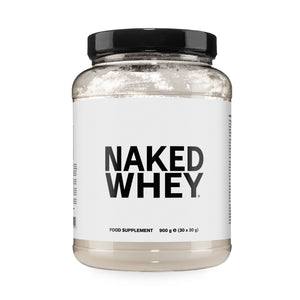
Naked Whey is sourced from small California dairy farms, contains only one ingredient, and uses no artificial sweeteners, flavors, or additives. On a day when your entire nutritional intake comes from a powder, you want to know exactly what's in it.
If you're dairy-free or prefer a plant-based option, Naked Pea is a high-quality alternative made from yellow split peas. It delivers a complete amino acid profile and mixes cleanly without fillers. The principle is the same: minimal ingredients, maximum nutritional integrity.
Step-by-Step Guide: How to Do a Protein Shake Fast Safely

Structure is what separates a productive protein shake fast from an uncomfortable, unsustainable one. Follow these steps to set yourself up correctly.
Keep it to 24 hours. The goal is to expose your body to a controlled fasting stimulus, not to push into prolonged deprivation. A 24-hour window is enough to trigger the metabolic benefits of fasting without the risks of extended nutrient restriction. Anything longer without medical supervision increases the likelihood of muscle loss, micronutrient deficiency, and metabolic disruption.
Pick a consistent day. Choose one day each week that fits your schedule. Most people find a lower-activity day works better, particularly when they're new to fasting and still adjusting. Commit to the same day each week so it becomes a predictable part of your routine rather than a spontaneous decision you might abandon.
Stay under 500 calories for the day. This is the threshold that keeps your body in a fasted state. Calculate how many servings of your protein powder fit within that ceiling, then spread them out across three time points: morning, midday, and evening. This mirrors a normal three-meal pattern, which helps psychologically and keeps hunger more manageable.
Prioritize hydration. High protein intake increases fluid demand, and on a fast day you have no food-based water intake to fall back on. Drink more water than you normally would. This also reduces the burden on your kidneys, which work harder to process protein metabolites. If you feel a headache coming on, water is your first response. Consider adding an electrolyte supplement, particularly sodium and potassium, if you're prone to headaches or dizziness during caloric restriction.
Adjust your training. A fast day is not the time for a heavy strength session or long cardio effort. Light movement, walking, or mobility work is appropriate. Save high-intensity training for days when you're eating normally.
Ease in and out. The day before your fast, eat clean whole foods and avoid excessive processed carbohydrates or alcohol. The day after, reintroduce solid food gradually rather than immediately compensating with a large meal.
Potential Side Effects and How to Manage Them

Expect some discomfort the first time, especially if you're coming from a high-calorie diet or have never restricted your intake before. Side effects are real, but they're manageable and typically diminish after a few attempts.
- Fatigue: Your body is running on fewer calories than usual. Plan low-demand activities on fast days. This fades as your body adapts.
- Irritability: Blood sugar fluctuations and caloric deficit can affect mood. Timing your shakes consistently across the day smooths out these dips.
- Hunger: Expected and normal. Drinking water between shakes helps. So does keeping busy. Hunger peaks and passes; it doesn't continuously intensify.
- Headaches: Usually caused by dehydration or electrolyte shifts. Increase water intake and consider a pinch of salt or an electrolyte supplement.
- Difficulty concentrating: Cognitive performance can dip during the first few fasts. Schedule mentally demanding tasks for non-fast days until your body adapts.
Stop the fast immediately if you experience heart palpitations, severe dizziness, fainting, or chest pain. These are not normal side effects of a short fast and warrant medical attention. If you have a history of hypoglycemia and your blood sugar drops noticeably, break the fast with a small amount of food rather than pushing through.
The single most important guideline here is this: listen to your body. Discomfort is an expected part of any new dietary practice. Distress is a signal to stop. Know the difference, and don't let the idea of "pushing through" override your judgment when something feels genuinely wrong.
Key Rules for a Safe Protein Shake Fast

Before your first fast day, run through this checklist. These are the non-negotiables that keep a protein shake fast productive rather than counterproductive.
- Use a high-quality protein powder. One ingredient, grass-fed source, no artificial additives. Naked Whey or Naked Pea for dairy-free.
- Keep total calories under 500 for the day. This maintains the fasted state that drives the metabolic benefits.
- Fast for 24 hours only. Longer is not better. Extend only under direct medical supervision.
- Drink significantly more water than usual. Aim for at least 3 liters throughout the day. Add electrolytes if needed.
- Choose a low-activity day. Save hard training for days when you're fueled by whole meals.
- Ease in and out. Clean eating the day before, gradual reintroduction the day after.
- Get medical clearance first. Especially if you have any underlying health condition, take medications, or are new to any form of caloric restriction.
Done consistently, a once-weekly protein shake fast is a structured, evidence-grounded reset. The protocol works best when it's part of a broader approach to nutrition, not a substitute for one. If you're ready to start, choose your protein, pick your day, and commit to the full 24 hours the right way.
Frequently Asked Questions
What is a protein shake fast, and how is it different from a regular fast?
A protein shake fast replaces all whole food meals with protein shakes for a set period, typically one to three days. Unlike a water or juice fast, you're still consuming calories and a significant amount of protein, which helps preserve lean muscle mass during the caloric deficit. It's a more moderate approach to fasting that keeps metabolism more stable than zero-calorie protocols.
How much protein should each shake contain during a protein shake fast?
Most protocols call for 25 to 40 grams of protein per shake, with three to four shakes consumed throughout the day. This puts your total daily protein intake between 75 and 160 grams, which is enough to protect muscle tissue for most adults based on current research. Going below 0.7 grams of protein per pound of bodyweight during a fast increases the risk of muscle catabolism.
Is a protein shake fast safe for everyone?
No. People with kidney disease, diabetes, a history of disordered eating, or who are pregnant or breastfeeding should not attempt a protein shake fast without direct medical supervision. Even healthy individuals should limit the duration to one to three days and avoid doing them back-to-back without adequate recovery nutrition. If you're on any prescription medication, check with your doctor first, as caloric restriction can alter how drugs are metabolized.
Which type of protein powder works best for this kind of fast?
Whey protein isolate is the most practical choice because it's rapidly absorbed, complete in amino acid profile, and low in fat and carbohydrates. If you're dairy-free, a pea and rice protein blend provides a comparable amino acid profile. Avoid protein powders loaded with added sugars, artificial thickeners, or proprietary blends that obscure actual protein content per serving.
Will a protein shake fast actually help me lose weight?
Short-term, yes. Replacing mixed meals with controlled-calorie protein shakes creates a reliable caloric deficit, and most people drop two to four pounds over a three-day protocol. A significant portion of that is water weight tied to glycogen depletion, so setting realistic expectations matters. For lasting fat loss, a protein shake fast works best as a reset or jumpstart, not a standalone strategy.
Can I exercise while doing a protein shake fast?
Light to moderate activity like walking, yoga, or low-intensity cardio is generally fine. High-intensity training or heavy strength work is not recommended during a fast lasting more than one day, because your glycogen stores will be depleted and performance will suffer noticeably. If you do lift weights, keep the session brief, reduce load by 20 to 30 percent, and consume a protein shake within 30 minutes of finishing.
Do I need to add anything else to my shakes to make the fast nutritionally safer?
Yes. Protein alone doesn't cover your micronutrient needs, so adding a greens powder, taking a daily multivitamin, and maintaining electrolyte intake with sodium, potassium, and magnesium reduces the risk of fatigue, cramping, and headaches. Fiber is also worth addressing: a tablespoon of psyllium husk or ground flaxseed in one shake per day supports digestion during a period when whole food fiber is absent. Staying hydrated with at least 80 ounces of water per day is non-negotiable.
How should I break a protein shake fast to avoid digestive issues?
Reintroduce whole foods gradually. Start with easily digestible options like eggs, cooked vegetables, yogurt, or a small serving of oats rather than jumping straight into a large mixed meal. Your digestive enzymes and gut motility slow down during a caloric restriction period, and overloading the system too quickly causes bloating, cramping, and nausea. Give yourself 24 hours of transitional eating before returning to your normal diet.
Top General Nutrition Picks
Chosen by 1 million+ customers. Free shipping on orders over $100.

Vanilla Protein Shake | Naked Shake - 30 Servings
$41.99
- ✓ Increase Protein Intake On A Busy Schedule
- ✓ Only The Purest Ingredients
- ✓ Preserve Muscle With Pea Protein
- ✓ Support Weight Loss Goals

PB Blueberry Vegan Protein | Naked Shake - 30 Servings
$41.99
- ✓ Increase Protein Intake On A Busy Schedule
- ✓ Only The Purest Ingredients
- ✓ Preserve Muscle With Pea Protein
- ✓ Support Weight Loss Goals

Chocolate Coconut Almond Protein Shake | Naked Shake - 30 Servings
$41.99
- ✓ Increase Protein Intake On A Busy Schedule
- ✓ Only The Purest Ingredients
- ✓ Preserve Muscle With Pea Protein
- ✓ Support Weight Loss Goals