




Key Takeaways
- One per day is the general limit: For most healthy adults, one energy drink daily stays within safe caffeine thresholds — but only if you account for every other caffeine source in your day.
- The FDA sets 400mg as the ceiling: That's the daily caffeine limit for healthy adults. A single energy drink can contain anywhere from 80mg to over 300mg, so context matters.
- Lower limits apply to vulnerable groups: Teens should cap caffeine at 100mg daily; children under 12 should avoid it entirely; pregnant women should stay under 200mg per day.
- Caffeine stacks up fast: Coffee, pre-workout, tea, soda, and chocolate all count toward your daily total. Most people exceed the safe limit without realizing it.
- Label transparency matters: Proprietary blends hide ingredient doses and make it impossible to assess safety. Choose energy drinks that list every ingredient and amount clearly.
- Dependence is a real risk: Relying on caffeine to function is often a sign the caffeine itself is disrupting your sleep, which creates the fatigue you're trying to fix.

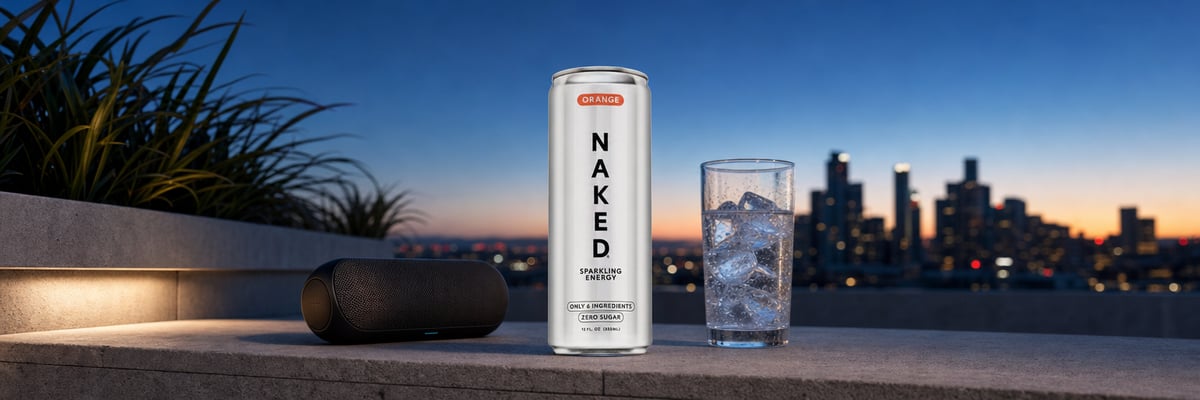
Orange Naked Sparkling Energy | Clean Energy Drink - 12 Cans
- Only 6 premium ingredients
- 200mg of Natural Caffeine from Organic Unroasted Coffee Beans
- 5 Calories, 0g Sugar, 2g Carbs
- No crash, no bloat: sweetened with fermented rice (Reb-M)
How Many Energy Drinks a Day Is Actually Safe?

You grab an energy drink before your morning workout, maybe another mid-afternoon to push through a deadline. It feels manageable. But if you've also had coffee and a pre-workout, you may already be pushing past the FDA's recommended daily caffeine limit before dinner.
So how many energy drinks a day is safe? For most healthy adults, one is the practical upper limit. That said, "safe" isn't a fixed number tied to a can count. It's a function of your total daily caffeine intake from all sources, your individual caffeine sensitivity, your age, and your health status.
The FDA's benchmark is 400mg of caffeine per day for healthy adults. One energy drink can contain anywhere from 80mg to well over 300mg. If you're also drinking coffee, tea, or using pre-workout supplements, a single energy drink might already put you close to or over that ceiling. This is why there's no single universal answer.
The 400mg daily FDA limit sounds like a lot until you do the math. A large coffee (200mg) plus a pre-workout (150mg) plus a moderate energy drink (200mg) totals 550mg. That's 37.5% over the recommended limit, and many people hit that combination without thinking twice.
The rest of this article breaks down exactly how to calculate your personal safe threshold, what's actually inside energy drinks, which health risks are real versus overstated, and how to choose a cleaner product if you decide energy drinks fit into your routine.
What's Actually Inside an Energy Drink?

Energy drinks are not just liquid caffeine. They're a layered combination of stimulants, sugars, vitamins, and functional additives, and understanding what's in them is the first step to using them safely.
- Caffeine: The primary active stimulant. Ranges from 80mg to over 300mg per can. This is what drives alertness and performance.
- Sugar: Up to 40g per serving, the equivalent of 10 teaspoons. Sugar-free versions swap this for artificial sweeteners like sucralose or aspartame, which carry their own tradeoffs.
- B-vitamins (B6, B12): Support energy metabolism at the cellular level. They don't directly stimulate you, but they assist the enzymatic processes that convert food into usable energy.
- Taurine, ginseng, yerba mate: Common herbal and amino acid additives. Actual dosage effects vary widely depending on amount, which is often not disclosed.
- Guarana: A plant-based source of caffeine. When included, it adds to the total caffeine load, but this additional amount is often not reflected in the labeled caffeine total. This is a significant safety gap.
- L-theanine: An amino acid found naturally in green tea. When paired with caffeine, it can reduce jitteriness and sharpen focus without blunting the energy effect.
One of the biggest red flags on an energy drink label is the phrase "proprietary blend." This means the manufacturer doesn't have to disclose individual ingredient amounts. You know what's in it, but not how much. That makes it impossible to assess whether a dose is safe or effective.
Naked Nutrition takes the opposite approach. Every ingredient is listed with a specific amount, no mystery blends, no hidden doses. That's the baseline standard you should expect from any supplement you consume regularly.
How Much Caffeine Is Safe Per Day? (By Age and Health Status)

Caffeine is safe in moderate amounts for most people. The challenge is that "moderate" is defined differently depending on who you are, how your body processes caffeine, and what else you're consuming.
The established guidelines by population group are straightforward:
- Healthy adults: Up to 400mg per day, per the FDA [1]
- Teenagers: No more than 100mg per day, per the American Academy of Pediatrics
- Children under 12: Zero. No safe threshold has been established.
- Pregnant and breastfeeding women: Under 200mg per day, per ACOG guidance, because caffeine crosses the placenta and is present in breast milk
Beyond population guidelines, individual physiology plays a major role. Caffeine has a half-life of approximately five hours, meaning half the caffeine from a 3pm energy drink is still active in your system at 8pm. Timing your intake poorly can wreck sleep quality even when you feel fine.
Several factors directly affect how you metabolize caffeine. Body composition matters: caffeine distributes through lean tissue, so a higher body fat percentage can lead to elevated blood concentrations from the same dose. Genetics determine how quickly your liver's CYP1A2 enzymes break caffeine down. Hormonal birth control slows caffeine metabolism by competing for the same liver enzymes used to process estrogen and progestin, as research has shown [2].
Habitual caffeine users develop tolerance and process it more efficiently. If you rarely consume caffeine, the same dose hits harder and lasts longer. Caffeine toxicity, though rare, occurs at single doses above 1,200mg, which underscores how dangerous stacking multiple high-caffeine drinks in a short window can be. Always account for caffeine from coffee, tea, soda, pre-workout, chocolate, and any medications before reaching for an energy drink.
How Many Energy Drinks Is Too Many? (With Real Examples)
The math here is straightforward, and it's worth doing before you crack open a second can.
| Caffeine Source | Approximate Caffeine |
|---|---|
| Drip coffee (12 oz) | 120–180mg |
| Espresso (single shot) | 60–75mg |
| Black tea (8 oz) | 40–70mg |
| Cola soda (12 oz) | 35–55mg |
| Pre-workout supplement | 150–300mg |
| Energy drink (low tier) | 80–120mg |
| Energy drink (mid tier) | 150–200mg |
| Energy drink (high tier) | 250–300mg+ |
A realistic daily scenario: a morning coffee at 150mg, a pre-workout scoop at 150mg before an afternoon gym session, and a mid-tier energy drink at 200mg. That's 500mg total, already 25% over the FDA's recommended limit, and the day isn't over yet.
One energy drink per day is reasonable for most healthy adults. Two or more increases cardiovascular and neurological risk significantly, particularly when other caffeine sources are in the mix. The concern compounds further when energy drinks are used alongside pre-workout supplements, which is common among gym-goers. Stacking two high-stimulant products in a short window can rapidly push caffeine intake into territory that causes heart palpitations, anxiety, and elevated blood pressure.
Mixing energy drinks with alcohol is a separate but equally serious concern. Caffeine masks the subjective feeling of intoxication, so people drink more alcohol than they realize. The combination also accelerates dehydration and puts direct strain on cardiovascular function.
📊 What Research Says
A 2024 review published in Nutrients found that individuals with pre-existing cardiovascular or anxiety conditions face elevated risk from regular energy drink use, particularly when consumed in combination with other stimulants. Researchers [3] recommend that at-risk populations treat any caffeinated energy drink as a high-dose stimulant, not a casual beverage.
Short and Long-Term Health Risks of Too Many Energy Drinks

A single high-caffeine energy drink can produce immediate effects in sensitive individuals, and habitual overuse creates a different set of compounding risks over time.
Short-Term Effects
Even one drink can trigger jitters, anxiety, rapid heartbeat, headaches, or digestive upset, particularly when consumed on an empty stomach or stacked with other stimulants. These effects aren't just uncomfortable. A racing heartbeat after an energy drink is your cardiovascular system responding to a dose it wasn't prepared for.
Long-Term Health Concerns
Regular overconsumption is linked to heart arrhythmias, elevated blood pressure, and chronic sleep disruption. Poor sleep in turn impairs immune function, metabolic regulation, and cognitive performance, creating a downward cycle. Research published in Nutrients [3] identifies these cardiovascular effects as particularly pronounced in individuals already sensitive to stimulants.
Caffeine dependence is another documented outcome. When high daily caffeine intake disrupts sleep, the resulting fatigue drives the person to consume more caffeine the next day. The caffeine creates the problem it appears to solve.
Who's Most at Risk
Teens and young adults face compounded risk: slower caffeine metabolism combined with a brain still in active development makes high-dose caffeine particularly impactful neurologically. Pregnant women risk fetal exposure through placental transfer and breast milk. People with anxiety disorders, insomnia, or existing heart conditions should treat energy drinks with the same caution they'd apply to any cardiac stimulant. For these groups, the risk-to-benefit ratio of energy drinks rarely comes out ahead.
Signs You're Overdoing It, and How to Cut Back

Your body gives clear signals when caffeine intake has gone too far. The problem is that many people normalize these signals because they experience them daily.
Warning signs that your caffeine intake is too high:
- Trouble falling or staying asleep, even when you're tired
- Persistent restlessness, jitteriness, or background anxiety
- Frequent headaches, particularly in the morning before your first caffeine hit
- Heart palpitations or a noticeable racing heartbeat
- Frequent urination beyond what your hydration level explains
- Irritability or mood dips between caffeine doses
- Needing caffeine just to feel normal, not energized
That last point is the most telling. If you're using energy drinks to compensate for fatigue rather than to enhance already adequate energy levels, you're likely in a caffeine dependence cycle.
Cutting back safely means reducing gradually. Dropping caffeine abruptly causes withdrawal symptoms: fatigue, headaches, and brain fog that can last several days. A reduction of 25mg to 50mg every few days gives your system time to adjust without significant discomfort.
Two practical adjustments make the process easier. First, increase water intake. Caffeine is a mild diuretic, and dehydration amplifies fatigue and headaches during reduction. Second, set a caffeine cutoff time. Given caffeine's five-hour half-life, stopping all caffeine intake at least six to eight hours before bed protects sleep quality even while you're still consuming some caffeine during the day.
Track your total caffeine from all sources, not just energy drinks. Most people are surprised by how much they're actually consuming once they add it all up. If you're experiencing heart palpitations, chest pain, or severe anxiety you believe is caffeine-related, talk to a doctor before continuing use.
How to Choose a Cleaner, Smarter Energy Drink

Not all energy drinks are the same, and the difference between a product that supports your performance and one that just hits you with a stimulant blast often comes down to a few specific label choices.
- Full label transparency: Every ingredient listed with its exact dose. No proprietary blends. If a brand won't tell you how much of each ingredient you're getting, don't buy it.
- Moderate caffeine (100–200mg): Enough to drive real focus and performance. High enough to matter, low enough to stay well inside safe daily limits even when combined with other caffeine sources.
- Low or no sugar: Skip products loaded with added sugar. Look for natural sweeteners like stevia or monk fruit instead of artificial options like sucralose or aspartame.
- L-theanine: When paired with caffeine, it produces smoother, more sustained focus with fewer jittery side effects. This combination is well-supported in the research.
- Vitamin B12: Supports cellular energy metabolism. Especially useful for people with B12 deficiency, which can manifest as fatigue.
- Electrolytes: Particularly relevant if you're using an energy drink pre-workout, where hydration and performance are directly linked.
Timing matters as much as ingredients. The best window for an energy drink is pre-workout or mid-morning, when it can support active performance rather than just paper over fatigue. Consuming caffeine within six to eight hours of sleep consistently degrades sleep quality, even when you don't subjectively feel it keeping you awake.
Naked Nutrition's lemonade energy drink was built around exactly these criteria: transparent labeling with no proprietary blends, moderate caffeine from clean sources, no artificial sweeteners, and functional additives that actually support performance. If you're going to make energy drinks part of your routine, that's the standard to hold products to. Stick to one per day, track your other caffeine sources, and choose a product that treats you as someone who reads the label.
Frequently Asked Questions
How many energy drinks a day is actually safe for most adults?
For most healthy adults, one energy drink per day is a reasonable limit, provided it contains no more than 200mg of caffeine. The FDA considers up to 400mg of caffeine daily safe for healthy adults, but energy drinks often stack caffeine with other stimulants like guarana and taurine, which changes that calculation significantly. Sticking to one drink keeps you well within safe thresholds while accounting for caffeine you consume from other sources like coffee or tea.
What's actually in an energy drink that makes it potentially dangerous?
The risk isn't just caffeine. Most energy drinks combine caffeine with taurine, B vitamins, guarana, and high doses of sugar, and that combination can amplify stimulant effects beyond what the caffeine content alone suggests. Some cans also contain ginseng and L-carnitine, which aren't dangerous on their own but haven't been well-studied in combination with high caffeine loads. The label rarely tells the full story about how those ingredients interact.
Can energy drinks cause heart problems?
Yes, and this isn't a fringe concern. A 2019 study by Shah et al. published in the Journal of the American Heart Association found that energy drink consumption caused significantly greater increases in blood pressure and QTc interval prolongation compared to caffeine alone, suggesting the full ingredient matrix is the issue. For people with underlying heart conditions or arrhythmias, even one energy drink can present a real risk.
Are sugar-free energy drinks safer than regular ones?
They're not automatically safer. Sugar-free versions eliminate the blood sugar spike and excess calories, but the caffeine load, artificial sweeteners, and other stimulants remain the same. Some research links high artificial sweetener intake to gut microbiome disruption over time, so "sugar-free" doesn't mean "consequence-free." The stimulant profile is what drives most of the serious health concerns, not the sugar.
Is it safe to drink energy drinks before a workout?
It depends on what's in the drink and how much you've already consumed that day. Caffeine does have well-documented ergogenic benefits, with a 2020 meta-analysis by Grgic et al. in the British Journal of Sports Medicine confirming it improves endurance, strength, and power output. A purpose-built pre-workout with transparent dosing is a more controlled option than an energy drink, which bundles caffeine with ingredients that don't always contribute to performance.
Who should avoid energy drinks entirely?
Pregnant women, adolescents under 18, people with cardiovascular conditions, and anyone sensitive to caffeine should avoid energy drinks altogether. The American Academy of Pediatrics explicitly states that energy drinks are never appropriate for children or teens. If you're on medication for anxiety, blood pressure, or heart rhythm, talk to your doctor before consuming any caffeinated energy product.
Can you build a tolerance to energy drinks?
You can, and it happens faster than most people expect. Regular caffeine consumption causes adenosine receptor upregulation, meaning you need progressively more caffeine to achieve the same alertness effect. This tolerance cycle is what drives people from one can a day to two or three, which is where health risks escalate. Cycling off caffeine for one to two weeks restores baseline sensitivity and breaks the dependency pattern.
What's a safer alternative to energy drinks for sustained energy?
A clean pre-workout with transparent labeling gives you a controlled caffeine dose without the unnecessary additives found in most commercial energy drinks. Beyond supplements, consistent sleep, balanced protein intake, and stable blood sugar throughout the day address the root causes of low energy rather than masking them. If you need a daily energy drink just to function, that's a signal to look at your sleep and nutrition first.
Top Pre-Workout Picks
Chosen by 1 million+ customers. Free shipping on orders over $100.

Citrus Pre Workout Supplement | Naked Energy - 30 Servings
$44.99
- ✓ Only premium, vegan ingredients
- ✓ Help boost energy, strength, power, and stamina
- ✓ 2g of CarnoSyn® Beta-Alanine
- ✓ 1g of Creatine

Mocha Latte Protein Iced Coffee | Naked Protein Coffee - 17 Servings
$39.99
- ✓ 100% premium grass-fed whey from small dairy farms
- ✓ Real Colombian Coffee delivers 95mg of natural caffeine
- ✓ 20g of protein and 5.5g of BCAA's per serving
- ✓ Gluten free, soy free, GMO free

Vanilla Latte Protein Iced Coffee | Naked Protein Coffee - 17 Servings
$39.99
- ✓ 100% premium grass-fed whey from small dairy farms
- ✓ Real Colombian Coffee delivers 95mg of natural caffeine
- ✓ 20g of protein and 5.6g of BCAA's per serving
- ✓ Gluten free, soy free, GMO free