



We talk a lot about protein in discussions surrounding health and nutrition.
Eating protein is an essential part of our diets as humans, as this nutrient plays a role in many major functions in our bodies, including enzymatic reactions, hormonal responses, and maintaining our structure and strength.
But how are proteins actually made in the body from the food that we eat? In other words, what is protein synthesis?
What Is Protein Synthesis?
To understand what protein synthesis is, think about what happens in your body when you eat a protein-rich meal, like a steak, or a piece of salmon, both excellent sources of dietary protein.

Proteins that are consumed are made of amino acids that are held together by bonds. So, your steak contains many amino acids that are held together to make proteins.
You take a bite and the process of digestion starts. The chewed up food goes from the mouth into the stomach, where enzymes break down the bonds that hold together the amino acids.
The free amino acids are then re-built in the body into proteins that your body needs to perform many natural roles.
The sequence, or order, that the amino acids are bonded together determine what the new protein will do in the body. The act of re-building the amino acids to make proteins in the body is called protein synthesis.
Some amino acids needed for protein synthesis can be made in the body, while others need to be taken in via food.
If a protein can not be made by the human body and depends on outside consumption, it is called an essential amino acid, since it is essential for the person to consume that particular amino acid.
Therefore, if a person does not get enough protein in their diet, they will run the risk of not supplying the body with the right amino acids to make important proteins that the body needs in order to function properly.
Why Is Protein Synthesis Important?
Protein synthesis is a vital process because we need our bodies to be able to build the proteins that we need to perform important functions. Without protein synthesis, our bodies will not be able to make components like hormones, enzymes, and even new muscle.
Some bodily functions that are dependent on proteins include:
Protein Promotes Growth and Development
Bodies are constantly breaking down proteins to build muscle and tissue. Ensuring that adequate protein is consumed helps make sure that the body has adequate building blocks to perform this important role.
Proteins Act as Critical Enzymes
Enzymes are proteins that play a role in many functions in the body. Common functions like digestion, muscle contraction, and blood clotting depend on enzymes.
Eating enough protein helps ensure that the body is supplied with the right amino acids to create enzymes your body needs to function properly.

Proteins Support Optimal Body Structure
Bones are primarily responsible for holding the structure of our bodies. But, proteins like collagen, keratin, and elastin help maintain the structure as well.
From the top of your ear to the tip of your nose, protein is responsible for those softer parts of the body that still require some structural support. To make these proteins via protein synthesis, your body needs certain amino acids that you obtain through your diet.
To make sure that our body has the amino acids needed to build certain proteins, we need to make sure that we are eating the right foods – namely foods that supply the body with a mix of essential amino acids.
How to Support Optimal Protein Synthesis
Choosing foods that contain essential amino acids help fuel your body with what it needs to perform the process of protein synthesis.
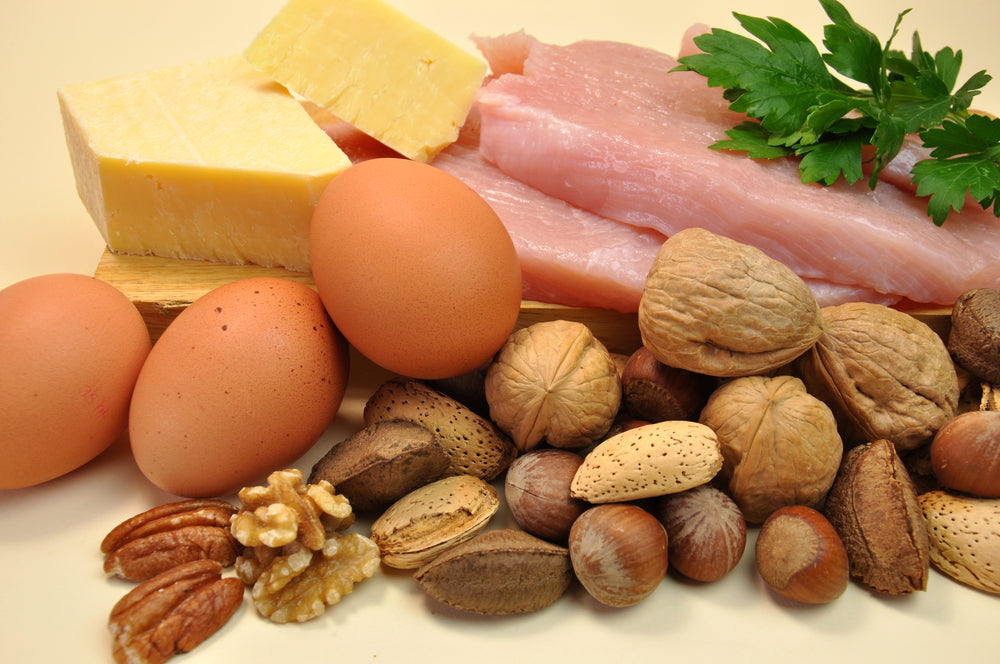
Therefore, focusing on foods that contain protein like meats, eggs, and cheese will help support protein synthesis. Vegan protein sources include beans, nuts, and seeds.
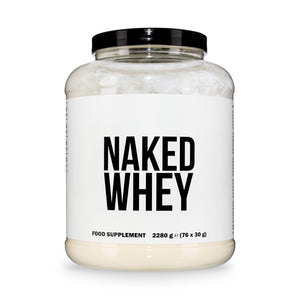
Using protein powders are an excellent way to help your body take in enough protein to support important functions that depend on proteins. Protein powders can be added to recipes for a protein boost with a varied amino acid profile.

Choosing clean, non-GMO options like our grass-fed whey protein, or our vegan pea protein powder, will supply your body with an impressive amino acid profile.
Final Thoughts on Protein Synthesis
Protein synthesis is a natural process that your body is dependent on to perform daily functions, create enzymes, and for appropriate structural support.
Essential amino acids are needed in order for protein synthesis to occur, and you get these amino acids through your diet.
Including high-quality food choices like meats, eggs, and clean protein powders like Naked Whey or Naked Pea can help ensure that your body is getting the right amino acids to make the ever-important proteins that it depends on to survive.