



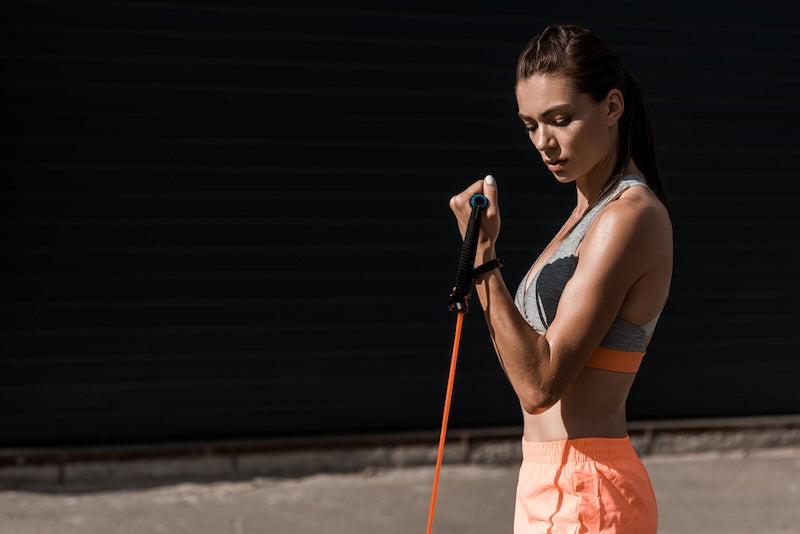
The gym is not just for men anymore. More and more women are looking to build muscle and improve their body composition. With that, women’s fitness supplements have also gained traction.
Pre-workout supplements have become increasingly popular in the women’s population to boost progress in the gym, but should women be taking these products? And are they as effective as they are for men? Let’s dive in.
What are the Ingredients in a Typical Pre Workout?
Pre-workout products are created to boost energy levels, recovery, and gains during and after your workout. The ingredients in pre-workout products will vary by brand however, common ingredients include:
- Branched-chain amino acids
- Creatine
- L-Arginine
- Citrulline
- Taurine
- Theanine
- Carnitine
- B-vitamins
- Electrolytes
- Nitric Oxide
- Caffeine
Each ingredient provides a different benefit and some work synergistically. For example, caffeine, creatine, and branched-chain amino acids (BCAAs) help to boost mental and physical energy during a workout so you can produce better results.

Are Pre Workouts Safe for Women?
Most pre-workout products are safe for both men and women however, there are a few things to consider if you have not taken a pre-workout supplement before.
Some ingredients can pose potential health risks, side effects, or allergic reactions. Always read labels carefully and only use these products as directed. If you have any health conditions, consult your physician before taking a pre-workout supplement.
Do your research before picking a product to make sure it’s from a trusted brand that offers third-party testing. Be familiar with common pre-workout ingredients and what has adequate research versus those that do not.
For example, creatine monohydrate is one of the most well-researched performance supplements on the market and it is found in many pre-workout products.
How Can Pre-Workouts Benefit Performance?
Research on pre-workout supplements has determined they may be effective in enhancing muscular endurance, leading to improved exercise performance. However, research on women is limited and studies that are available don’t show the same promising results for performance enhancement [1, 2].
While this doesn’t mean women won’t experience any benefit from taking pre-workout supplements, research on this population is limited.
Some pre-workout products may include ingredients that can enhance recovery in both men and women, such as branched-chain amino acids (BCAAs), which have more research available on their benefits compared to other common pre-workout ingredients [3].

How Long Before Exercise Should You Take a Pre-Workout?
As the name implies, pre-workout products were made to be consumed before your workout. Each product may have a variation in directed use; however, most pre-workout supplements recommend consuming within 30-60 minutes of your workout for optimal results.
What Ingredients to Avoid in Pre-Workouts for Women?
There are no gender specific ingredients in pre-workout products however, many pre-workout products contain caffeine to help provide a boost of energy to perform better in the gym.
If you are sensitive to caffeine or if you have a heart condition in which you must limit caffeine, it’s best to choose pre-workout supplements that don’t contain this ingredient or avoid them altogether [4].
Can Pregnant Women Take Pre Workouts?
Due to the lack of research available for pre-workout supplements in this population, it is not recommended for pregnant or nursing women to take these products.
Many pre-workout supplements contain stimulants, such as caffeine, that may adversely affect a growing fetus. Additionally, we don’t know enough about the safety and efficacy of other common ingredients in these products [5].
This is not to say that some pre-workout supplements aren’t safe. There are some ingredients included in these products that are not known to be harmful to this population however, with the lack of research it’s better to avoid them than to take the extra risk.
Does Pre Workout Contain Caffeine?
Caffeine is a common ingredient in many pre-workout products, but not all of them. If you wish to avoid caffeine, be sure to read product labels for those that do not contain this ingredient as well as other caffeine-containing ingredients, such as green tea extract.
Can Pre-Workouts Impact Sleep?

Pre-workout products that contain stimulants, such as caffeine, green tea extract, or additional added sugars can negatively impact sleep if taken close to bedtime. If you work out in the evenings, you might consider a pre-workout that doesn’t contain these ingredients.
Remember that, while regular exercise promotes more restful sleep, vigorous exercise right before bed can negatively impact the ability to fall asleep whether you take a pre-workout or not [6, 7].
Bottom Line: Should Women Take Pre Workouts?
The average, healthy adult woman can safely take and may benefit from a pre-workout supplement. While these supplements are not required to see progress with your fitness goals, they may help boost energy levels, motivation, and recovery.
While research on the benefits of pre-workout supplements on performance in women is lacking, There is research available for ingredient-specific benefits, such as BCAAs for post-exercise recovery.
If you are interested in taking a pre-workout supplement, be sure to speak with your physician before choosing a product. Always look for trusted brands that offer third-party testing for quality and purity.
Supplements are not regulated by the FDA as strictly as medications, therefore it’s important to do your research and make sure you are getting a good quality product.