





If you're lactose intolerant, finding protein sources that don't trigger uncomfortable digestive symptoms can be challenging. While dairy products are often associated with high-quality protein, they aren't the only option available.
Luckily, there are plenty of delicious and nutritious protein-packed foods that are naturally free from lactose.
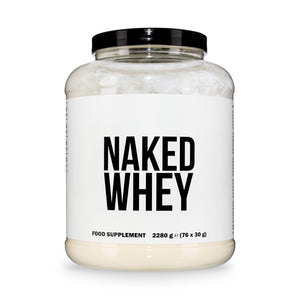
Check out our grass-fed whey isolate powder with less than 0.1g of lactose per serving.
In this article, we’ll explore the best protein options for those with lactose intolerance, helping you maintain a balanced diet without sacrificing variety or taste.
Lactose is the sugar that is found in milk. The majority of people are actually lactose intolerant, as it's more common to have lactose intolerance than to tolerate lactose.

An estimated 65% of the global population is affected by this condition, which results from a deficiency of lactase, the enzyme needed to digest lactose.
As a result, it's important to have a range of protein products that are lactose-free, while still providing the essential qualities of a protein-based product.
What to Look For in Your Protein With Lactose Intolerance?
People with lactose intolerance experience the most symptom relief by avoiding products that contain lactose. Additionally, lactase enzyme supplements and microbiome adaptations through the consumption of specific probiotics can be beneficial.
With the majority of lactose intolerant individuals, complete lactose elimination is not necessary. Most people can tolerate up to 5 grams of lactose per single dose.
When selecting a protein product for lactose intolerance, consider products that are low in lactose or lactose-free, contain probiotics, provide all essential amino acids, and are fortified with nutrients like vitamin D and calcium, which may be lacking in a lactose-free diet.
What to Avoid in Your Protein With Lactose Intolerance?

When choosing a protein for lactose intolerance, avoid proteins that contain a high amount of artificial sweeteners and additives, as these can increase the risk of gastrointestinal discomfort.
When lactose is removed from a product, artificial sweeteners are commonly used to enhance the flavor and sweetness of the product.
While artificial sweeteners do not directly impact lactose intolerance, they can add additional digestive discomfort.
Specifically, when looking at protein powders it is important to read the ingredient labels. Avoid proteins that contain whey protein concentrate as this contains a high amount of lactose.
Casein protein is derived from milk and also contains high amounts of lactose.
Protein Options for Lactose Intolerance

Whey Protein Isolate
Whey protein isolate is a fantastic option for individuals with lactose intolerance because it contains significantly less lactose compared to whey protein concentrate. During the processing of whey protein isolate, most of the lactose is removed, making it a more tolerable choice for those sensitive to dairy.
Plant-based Protein
For individuals with lactose intolerance, plant-based protein powders offer a fantastic alternative to dairy-based options. Pea protein, which is derived from yellow split peas, is not only rich in protein but also gentle on the digestive system, making it a popular choice for those with sensitivities.
Another excellent option is hemp protein, sourced from nutrient-dense hemp seeds. In addition to providing a solid dose of protein, hemp protein is also packed with heart-healthy fats, including omega-3 and omega-6 fatty acids, offering additional health benefits.
Soy protein, made from soybeans, is especially notable because it is a complete protein, meaning it contains all nine essential amino acids that the body cannot produce on its own.
These plant-based proteins deliver a wide range of nutritional benefits, making them ideal choices for those looking to avoid lactose while still meeting their protein needs.
Goat Protein
Goat protein is an excellent alternative for those with mild lactose intolerance who want to avoid cow-based protein products. Compared to cow's milk, goat's milk contains lower levels of lactose, making it easier to digest for many individuals who are sensitive to dairy.
In addition to being more tolerable for those with lactose intolerance, goat protein is also less likely to trigger allergic reactions commonly associated with cow's milk, as its proteins are structured differently.
Beyond its digestibility, goat protein is highly nutritious, offering a dense source of high-quality protein that includes essential amino acids, vitamins, and minerals like calcium, magnesium, and potassium. These nutritional benefits, combined with its gentler impact on digestion, make goat protein a valuable option for those seeking an alternative to traditional cow-based proteins.
The Bottom Line
Finding the right protein for you will involve some trial and error. When determining which protein to choose, it's essential to take into account your lactose tolerance, the flavor of the protein, and its nutrient composition.
Being lactose intolerant doesn't mean you have to avoid protein powders; there are plenty of options that can accommodate various dietary needs.