


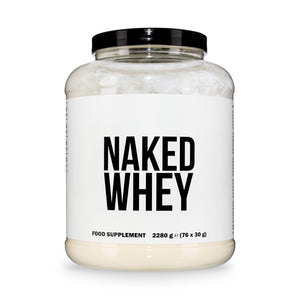


Logically, it seems like ALL protein powders should be gluten free. After all, they’re just made from powdered whey or casein or pea or rice, right?
How is it possible for an oft-vilified wheat protein find its way in there? Unfortunately, gluten has found a way to sneak into many of the top-selling protein powders on the market.
For people with gluten allergies or insensitivities (or people who want to eat more cleanly) it’s important to understand why and where gluten might be lurking in your protein powder – and more importantly, how to find the best gluten free protein powder to buy.
Why is Gluten Added to Some Protein Powders?
Despite its dip in popularity over the years, gluten actually does some pretty amazing things. Like make bread fluffy – yum! But what does a wheat protein that gives structure to baked goods have to do with protein powders?
Gluten is sometimes used as a thickener to improve the texture of protein powders. While this is most common in plant-based proteins like soy, it can also be seen in low-quality whey supplements. Since whey is naturally fairly thick, it shouldn’t need any help under normal circumstances.

But when whey is over-processed, much of the fat is removed and the natural texture of the supplement changes. Adding gluten is a quick fix for manufacturers who want to improve the texture of their protein powder without harming its nutritional profile.
In fact, a bit of extra gluten just means they can add a little extra protein to their label. Win-win for the manufacturers, right?
Likewise, when a whey protein is created from an inferior source or is mishandled during processing, its amino acid profile can suffer. To cover this, some companies add peptide bound glutamine, which is derived from wheat protein (i.e. gluten).
How to Choose the Best Gluten Free Protein Powder
If you deal with celiac disease or gluten sensitivity, then you need to be careful. Gluten is hiding everywhere! So how can you find the best gluten free protein powder?
First, select a protein source that is naturally free of gluten and any other ingredients you may be sensitive to. To be fair, most protein powders – from whey to rice – are naturally gluten free. Still, you’ll have to consider if you have any other food restrictions and allergies that limit your options.
You’ll also want to be sure that your protein source is organic and GMO-free. This will limit the amount of other potential irritants and nutritional troublemakers that are in your protein powder.
Finally, check the label to be sure that no gluten has been added to your supplement. This can be tricky since most protein powders available have incredibly long lists of ingredients and sometimes even use code names for gluten, like “wheat protein.”
This might take some extra research, and in some cases, even require a call to the company. If you are extremely sensitive, you will also want to avoid powders that are processed in facilities that handle gluten-containing products.
Pro Tip: The Best Gluten Free Protein Powder Contains Just ONE Ingredient!
Of course, many of the above steps can be avoided if you select a protein powder that contains just one ingredient: the protein you want.
Our Grass-Fed Whey Protein Powder, Casein Protein Powder, Pea Protein Powder, and Brown Rice Protein Powder each contain just one ingredient and are naturally gluten-free.